















































Asians born in Bangladesh, India, Nepal, and Pakistan are at double and triple the risk of developing diabetes compared to other Asians and whites.
Asians born in Bangladesh, India, Nepal, and Pakistan are at double and triple the risk of developing diabetes compared to other Asians and whites.

As national healthcare reform stresses the importance of adhering to the standard of care and demonstrating tangible results from health interventions, physicians working in underserved communities with high rates of diabetes must seek out innovative ways to educate and engage patients.

A phase 2b double-blind, randomized, placebo-controlled clinical trial, involving topical gel candidate ARC-4558 for adults with painful diabetic neuropathy produced effective results in relieving the pain.
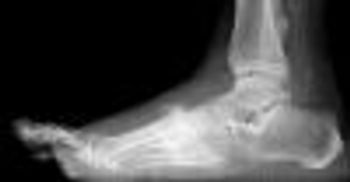
A pioneering surgical technique enables more than 90% of patients with Charcot foot to walk normally again by securing their bones to a device called a circular external fixator.

Found in grapes, blueberries, peanuts and other plants, resveratrol may help treat age-related macular degeneration, diabetic retinopathy, and retinopathy of prematurity by stopping angiogensis.

For each study measure, there was a graded increase in the risk of diabetes with increasing quantiles of adiposity. Participants in the highest category of adiposity had an approximately 2- to 6-fold increased risk compared with those in the lowest category.

The discovery could lead to new treatment options for this infection of the lungs, brain, and sinuses.
The pros and cons of using the hemoglobin A1C test to diagnose prediabetes and diabetes was the subject of a lively debate at the AACE Meeting.
I thought I lost a patient a few weeks ago. No, he didn't die, but after his office visit, I had the distinct impression that he might not come back. My job is to take care of my patients' health. But sometimes I'm just the messenger.

Recent study results indicate that when an individual has more energy available, they tend to be more future-oriented, and therefore will engage in better decision making.

Once-daily human GLP-1 analog indicated as an adjunct to diet and exercise to improve blood sugar control in adults with type 2 diabetes mellitus.

In the current Revisions to the Standards of Medical Care in Diabetes, the section on Diagnosis of Diabetes has been revised to include the use of A1C to diagnose diabetes, with a cut-point of 6.5 percent or greater.

South Dakota State University has demonstrated that a culturally based nutrition intervention can promote small, but beneficial, changes in weight among Native Americans.

Researchers at UT Southwestern and 14 other centers worldwide found that injections of the drug used to treat autoimmune disorders slowed beta cell destruction in the pancreas of those newly diagnosed with type 1 diabetes for at least a year.

"The Vine that Ate the South" may one day be known as "The Vine that Fought the Metabolic Syndrome," according to University of Alabama at Birmingham researchers.
A few months ago the FDA issued a formal statement about the issue of sharing insulin pens and cartridges. In short, they gave it a big NO all around.
The last 2 decades have seen enormous strides in the identifi cation and modification of cardiovascular disease (CVD) risk factors. Many large, population-based studies, led by the Framingham Heart Study, have been invaluable in identifying these risk factors.
Former ADA President Gerald Bernstein discusses the history of and recent advances in the delivery of insulin.

I am convinced that we essentially sabotage both our guests and ourselves when we offer only these high calorie and often totally unhealthy options time and time again.
Treatment of type 2 diabetes should achieve and maintain euglycemia, thereby preventing complications from this progressive disease. Current antidiabetic therapies should be a part of a multimodal management program that includes diet, exercise, and blood pressure and lipid control. Oral antidiabetic drugs are still first-line therapy for type 2 diabetes, but intensification of therapy, including starting insulin, should occur every 2 to 3 months as needed to achieve euglycemia. The first insulin added is typically a basal insulin, which is effective in lowering fasting plasma glucose (FPG). A persistently elevated glycated hemoglobin (HgbA1C) level despite near or complete normalization of FPG, however, indicates postprandial hyperglycemia. In these cases, the addition of bolus insulin is required to reduce postprandial glucose (PPG). Several approaches to initiate and titrate insulin can be used based on FPG, PPG, HgbA1C, and patient factors.
Rates of death and myocardial infarction were assessed for a national sample of acute coronary syndrome patients after stopping clopidogrel. In the first 90 days after stopping treatment, patients experienced a nearly twofold increased risk of adverse events compared with subsequent follow-up intervals for patients treated medically without stents and for patients treated with coronary stents. This suggests a possible clopidogrel rebound effect, but additional studies are needed to support this hypothesis and to identify strategies to reduce early events after clopidogrel cessation.
The benefits of intensive glycemic control appear to be confined to microvascular disease, with 3 randomized controlled clinical trials failing to demonstrate a macrovascular benefit with intensive glycemic control in patients with type 2 diabetes.