






























































Empagliflozin, a diabetes drug that controls glucose levels, may also help ameliorate erectile dysfunction in patients with type 2 diabetes mellitus.

Empagliflozin, a diabetes drug that controls glucose levels, may also help ameliorate erectile dysfunction in patients with type 2 diabetes mellitus.
With certain strains already proving to be resistant to treatment with antibiotics, Staphylococcus aureus is posing another major health threat.

People who have type 2 diabetes —but not type 1— are statistically less likely to get amyotrophic lateral sclerosis (ALS), a new study found.

With the global boom in type 2 diabetes mellitus, many patients have greatest access to and are well-cared for by their primary care practitioners (PCPs). For those with basic, predictable, garden-variety diabetes, PCPs are perfectly capable of helping them. It's unclear when referral to a specialist for consultation or chronic management is most sensible.

Obesity rates have climbed nearly 50 percent since 1997, with as much as 30 percent of the population classified as obese. There is strong belief within the health care industry that obesity should be treated as a primary medical condition, with physicians playing a major role. Evidence suggests that patients are more likely to lose weight when they are advised by their primary care physicians to do so.

GLP-1 receptor antagonists have been associated with thyroid cancer in rodents, and in fact carry a boxed warning about the potential for cancer in humans. This leads many clinicians to ask if they should be concerned about using these drugs in patients who have or develop specific types of thyroid cancer

Sitagliptin appears to have beneficial systemic and adipose anti-inflammatory effects in combination antiretroviral therapy-treated HIV-positive adults with impaired glucose tolerance. The drug may prevent cardiovascular problems by reducing inflammation linked to heart disease and stroke in this patient population.

The results of the largest study of its kind to date indicate that new antipsychotic medications-including quetiapine, olanzapine, and risperidone-do not appear to put women at additional risk of developing gestational diabetes, hypertensive disorders, or major blood clots that obstruct circulation, all conditions that often develop during pregnancy or with the use of older antipsychotic medications.

More than 13,000 physicians and cardiovascular team members attended the ACC 2015 meeting in San Diego on March 14-16, 2015. In this issue of Cardiology Review, we focus on 6 important studies presented at ACC 2015: LEGACY, OSLER, PEGASUS, EMBRACE-STEMI, MATRIX, and CoreValve.
Mortality in patients with type 1 diabetes mellitus (T1DM) is higher than in the general population, and whether mortality improves or alters with glycemic control is unknown.

Our endo blogger has her theories about why doing what you thought you loved just seems to sap your soul.

China's type 2 diabetes mellitus (T2DM) epidemic continues to be a pervasive, costly health care issue, with proportions surpassed only by epidemic here in the US. The majority of T2DM treatment guidelines recommend metformin as the first-line anti-hyperglycemic agent for diabetes management due to its relative safety, tolerability, and cost-effectiveness.
Albumin -- the most abundant protein in the human body -- has many roles. It transports hormones, fatty acids, and other compounds. It buffers serum pH, and maintains osmotic pressure. Now, it appears that albumin may be a tool that could be used in diabetes management.

Gabapentin is used to treat neuropathic pain from several causes, including diabetic neuropathy, post-herpetic neuralgia, and central neuropathic pain. In a study presented at the American Society of Interventional Pain Physicians in Orlando, FL, April 11, Tobore Onojighofia, MD, MPH and colleagues found genetics plays a role in which patients do well on the drug.
Lack of sleep and chronic kidney disease (CKD) independently lead to hypertension, diabetes mellitus, lower quality of life, and shorter life expectancy. Severity of CKD and sleep disturbances may also worsen diabetes and hypertension synergistically.
This short slide show summarizes results of 8 phase III clinical trials, revealing favorable class efficacy and also differences that should be considered before treatment selection.
SGLT2 inhibitors have been studied in combination therapy with a range of antihyperglycemic agents. Check your math, here, with our 6 "add-on" questions.

Superficial fat necrosis is a rare complication of insulin injections that can manifest with severe, persistent, and well-localized pain.

Spot check your memory for these disease details.

Trade names often mask the essential nature of a medication, but some of the new agents that treat type 2 diabetes take it to a new level. Here, 5 chances to see what you know.

Obese patients looking to lose weight or treat type 2 diabetes have often turned to gastric bypass or other stomach-shrinking surgeries, which have produced favorable results, decreasing cancer risks.

Evidence is mounting that links insulin deficiency and insulin resistance to mediation of Alzheimer disease-type neurodegeneration. Get the highlights in these 9 slides.

Hospital staff or other physicians would never consider changing a chemo or dialysis order. But when it comes to insulin, it’s open season. This needs to stop.
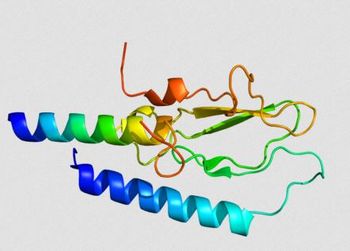
Not all patients with type 2 diabetes respond equally to GLP-1 receptor agonists. Results of a recent study suggest what to look for before you write that next Rx.
Since June of 2014, the US FDA has approved a number of drugs for a variety of endocrine-related diseases. Here are 10 of them.