
Most of the data on vedolizumab has been limited by small sample sizes and short follow-up.
Most of the data on vedolizumab has been limited by small sample sizes and short follow-up.

About a quarter of Cologuard's ordered by patients are deemed to be inappropriate.

Infections in patients with ulcerative colitis treated with ozanimod were mostly characterized as non-serious.

The treatment would represent the first microbiota-based live biotherapeutic to show efficacy in the first recurrence of CDI.
Data show adverse outcomes include increased mortality rates, prolonged hospital stay, and higher hospitalization chargers.

Data show global burden of NAFLD increased, while burden of cirrhosis decreased in adolescents and young adults.

Ulcerative colitis patients with fatigue are more likely to be unemployed, have moderate or severe disease, and higher Mayo scores.

Data show males, patients with high BMI correlated with higher FAST score in HCV care.
Data show clinically meaningful improvement in IBDQ score and MCS score in patients treated with UST.
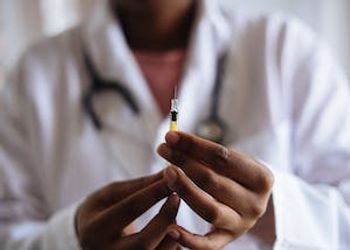
Data show a 23.5% increase in influenza vaccination rates.

Data show biologic therapy was not associated with ICU admission or death due to infection.

C difficile and sepsis infections can be especially difficult to treat.

SER-109 resulted in a 73% reduction in relative risk for CDI over 8 weeks.

Hospitalizations were more likely in patients with CDI of small bowel and Crohn's disease, with worse outcomes noted in patients admitted to ICU.
There is a substantial health care cost for CDI patients with sepsis.

In data presented at DDW, researchers find a decrease in hospital-acquired CDI infections in 2020 when compared to 2018 and 2019.
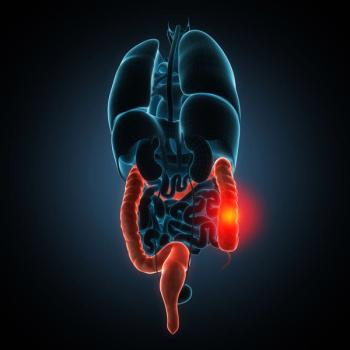
Investigators presented information on the 9-month interim results of the ABX464-102 phase 2a examining efficacy in UC patients at DDW 2019.

Study from DDW 2019 found that rates of nonalcoholic fatty liver disease, nonalcoholic steatohepatitis, and nonalcoholic cirrhosis was more than double in patients with UC.

A study presented at DDW 2019 found that endoscopic retrieval may help prevent further gastric damage from button battery ingestion.

A study presented at DDW 2019 found that women with intrahepatic cholestasis of pregnancy were 5.7 times more likely to have a NAFLD diagnosis

Study presented at DDW 2019 found that walking and resistance training was associated with a lower risk of cirrhosis-related death.

A study presented at DDW 2019 found that endoscopic sleeve gastroplasties found significant and sustainable weight loss among patients 5 years after surgery.
Study presented at DDW 2019 found that transplantation of gut microbes from lean donor could aid weight loss in obese, metabolically healthy recipients.

Patients with C-Diff are being treated with fecal microbiota transplantation but there is still more research being done in the field to learn more about the potential benefits in the field.

Hormone therapy has proven a very effective option for many women during menopause but there has also been some evidence that it can increase the likelihood of bleeding disorders. A recent study looked at the link between the two.

Whether it is due to doctors waiting to make a diagnosis or patients waiting to see a doctor in the first place, diagnosis delay can be a considerable issue for patients with celiac disease. A recent study looked at just how big a problem this can be in the medical community.
Patients coming out of surgery face a variety of risks even when the operation is done. A group is looking into a new device that can help with patients undergoing abdominal surgery to detect ileus after going under the knife.
The internet can be an endless source of information for patients looking to learn more about their conditions and possible treatments and surgical options. Whether those sources provide the help needed is another issue for healthcare professionals to tackle.

Patients with long-standing ulcerative colitis have shown signs of being more at risk for developing cancer. Research has looked at why that is the case and what can be done to prevent the cancer from progressing.

Transplanting a healthy person's fecal microbiota into the digestive tract of a patient believed to have a recurrent C. difficile infection has gone from obscurity to an accepted treatggggment. But a new study finds it was wrongly proposed for more than 25% of patients referred for treatment.