

A new study shows consistent confidence and anxiety of self-care with the injectable biologic in patients with asthma.
A new study shows consistent confidence and anxiety of self-care with the injectable biologic in patients with asthma.

In a pair of Canadian cohorts, investigators discover asthmatic children are older on the epigenetic clock.

Greater BMI scores are linked to longer ventilator needs and higher risk of acute respiratory distress syndrome.

In a study of 578 infants, investigators discover more female infants suffered from OSA.

An assessment of a combined pharmacologic and cognitive behavioral therapy program shows patients improve FEV1, FVC, and other metrics.

Between 2006-2016, the hospital mortality rates for patients with ILD did not change.

New cohort data comparing the lone regulated IPF therapies show one is associated with reduced mortality—while the other has a better continuation of care.

New research suggests the presence of either condition can wreak havoc on an older adult's ability for movement, self-care, and household activities.

A new AI model from the New York Eye and Ear Infirmary of Mount Sinai boasts 99.2% accuracy for diagnosing intermediate or late AMD.

Discussing the results of a study examining impact of vitamin D and homotaurine supplementation on early to intermediate age-related macular degeneration.

Fortified vancomycin causes antibiotic resistance and corneal toxicity.

Rishi Singh, MD, discusses differences in disease activity noted among nAMD patients enrolled in the pivotal HAWK and HARRIER trials.

Discussing what data from fellow eyes of a 3-year study tell us about disease course of non-infectious uveitis of the posterior segment with an assistant professor from the Cole Eye Institute.

Male sex and younger age are also risk factors for premature stent extrusion.

A Q&A with the medical director of clinical ophthalmology with Genentech about the humanized monoclonal antibody in treatment of NMOSD.
Discussing the impact of high-intensity statin therapy on patients with dry AMD with a study investigator from Byers Eye Institute.

Daniel Kiernan, MD, discusses the results of a study examining dexamethasone intracameral drug-delivery suspension compared with topical corticosteroids for inflammation following vitreoretinal surgery.

Investigators are evaluating the safety and tolerability of an optogenetic treatment combining a gene therapy and a medical device.

Discussing the latest data from Adverum Biotechnologies related to ADVM-022 and the ongoing phase 1 OPTIC trial with the trial's principal investigator.
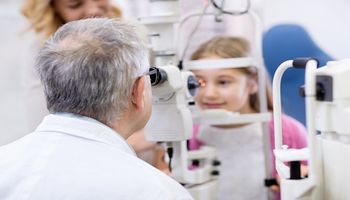
Research from ARVO 2020 suggest a 4-minute educational video could more than double compliance with patching in pediatric patients with ambylopia.

Discussing how end of study results from the phase 2 LADDER trial inform clinicians on the use of PDS with ranibizumab.

An analysis suggests different regimens evaluated for nAMD did not result in superior vision benefits compared with ranibizumab pro re nata or four-week dosing.

Virtual reality devices are proving to be practical and convenient way of screening for and monitoring glaucoma.

New research suggests the prevalence of depression and anxiety is greater among patients with diabetic retinopathy.

A new analysis of STAIRWAY from ARVO 2020 is shedding additional light on the effects of faricimab use.

Children born to mothers who suffered from depression during pregnancy are at a greater risk of adolescent depression and psychosis.

There were no significant differences observed in mood episodes for bipolar patients in either AISR therapy or standard treatment.

Response does not favor more or less baseline symptom severity according to a new study.

Since 2005, opioid use has increased amongst older dementia patients.

Patients with adolescent disruption of cognitive developed had more severe symptoms following a schizophrenia diagnosis.