

This underscores a need to reinvent cities and address environmental risk factors that are associated with increased risk for cardiovascular diseases.
This underscores a need to reinvent cities and address environmental risk factors that are associated with increased risk for cardiovascular diseases.

Myocardial infarction patients were provided ECG readings as reliable as those provided by standard devices.

Studies have shown that heat-related cardiovascular events have increased over recent years.

New cohort data shows that at least 40% of COVID-19 positive patients had CV risk factors, such as diabetes and hypertension.

Dapagliflozin and empagliflozin are shown to minimize CV events in patients with heart failure and a reduced ejection fraction.

A look at how a major international cardiovascular meeting changed its structure in 4 months.

A look at how different organisms are influenced differently by harmful foods or common therapies linked to cardiovascular risks.

Investigators did note that belief in statin use was weaker in patients with confirmed statin associated muscle symptoms when compared with non-SAMS patients.

New findings suggest the "obesity paradox" may be explained by rates of exercise among women.

Accurately assessing lifetime risk in patients with developing atherosclerosis may help reduce CV disease risk earlier in life.

The CLEAR Harmony open-label extension study reports on the long-term effects of BA treatment for hypercholesterolemia.

The new findings break ground on placebo-controlled assessment of the PCSK9 inhibitor for the pediatric population.

Up to 91% patients who received maximum dosage of the drug achieved a triglyceride level of <150 mg/dL, according to new data presented at ESC 2020.

A look at how asymptomatic AFib is being combatted by consumer devices and embraced, large-scale population research.
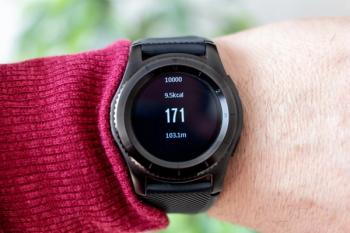
New cohort analyses show very few patients with atrial fibrillation exercise regularly or rigorously—which could be a detriment to their mortality risk.

Daniel Gaudet, MD, PhD, discusses what's next in clinical pursuits of the greatly underdiagnosed hereditary cardiovascular disease.

Investigators simulated baseline CV risk and predicted potential risk reduction among a cohort of evolocumab users across Europe.

A podcast interview with the president of American Society of Preventive Cardiology, on the eve of the ESC 2020 Congress.

PCSK9 inhibitor therapy within 24 hours after PCI was shown to bring LDL-C levels down closer to guideline-recommended goals.

Patients with IPF and multiple comorbidities experienced similar effects from nintedanib to those with few or no comorbidities.

In a study presented at ATS 2020, investigators test 3 different dosing regimens of tezepelumab in asthma patients with both high and low levels of IL-5 and IL-13.

Combining the dexamethasone implant with anti-VEGF treatment can restore foveal anatomy in eyes resistant to anti-VEGF injection.

An interview with a Cleveland Clinic investigator on adjusting macular edema screening methods.

A perspective on what's moved virtually, and what hasn't, since the pandemic began in March.
An interview with a Cleveland Clinic investigator on adjusting macular edema screening methods.

Interim findings from a cross-sectional study shows a correlation between worse cognitive scoring and a greater rate of intravitreal injections.

A total of 115 of 200 examined eyes had some form of diabetic retinopathy in data presented at the ASRS 2020 virtual meeting.

Patients demonstrate visual gains from baseline but mean visual acuity worsens between 2 and 5 years.

In research presented at ASRS 2020, investigators found 56% of patients with PDR had a DME code, with a sensitivity of 85%.
A new analysis of a trio of intravitreal agents show maintained visual acuity in treatment-naive patients for at least 5 years.