

Survey findings highlight the psychological and psychosocial distress related to having diabetes.
Survey findings highlight the psychological and psychosocial distress related to having diabetes.

More patients achieve international time in range consensus target of greater than 70% with the Advanced system.

A recent analysis is examining potential factors associated with adverse gastrointestinal events in patients using semaglutide and whether it mitigates benefit.
Discussing data from ADA 2020 with a professor of medicine at University of Texas Southwestern.

How clinical data for the interleukin-targeting class will begin to dictate more treatement decisions and research progression.

Asthmatic infants often suffer from other comorbidities throughout their lives.

Blood eosinophil count, exacerbation rate, and time to exacerbation were all bettered among patients who sustained therapy versus those who discontinued.
In an abstract presenting during the ATS conference, investigators find infants with asthma are surprisingly older on the epigentic clock.

Obstructive sleep apnea can be linked to the development of non-alcoholic fatty liver disease.

New findings from ATS show the residual effects of vaping-associated lung distress.

The lead PATHWAY investigator explains the intent and outcomes from the most recent phase 2B findings.

In a new study presented at ATS, investigators find CPAP withdrawal worsens the augmentation index.

A discussion with a study author on promising new findings for the combination inhaler therapy.

Infants with obstructive sleep apnea may also be at an increased risk of negative outcomes associated with COVID-19.
There are a number of reasons why identifying obstructive sleep apnea in infants is difficult, but new research shows feeding dysfunction could be an early link.
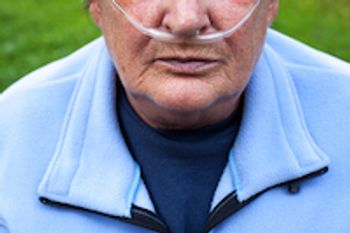
Little is understood about the systemic markers of worsening COPD. Investigators have observed at least 3 novel pathways.

A new assessment shows risk reduction is even more significant among COPD patients who have smoked.

Patients with OSA during REM sleep experience lower oxygen saturation and longer times with oxygen saturation.

Individuals with obstructive sleep apnea were more frequently male, obese, and had more coronary heart disease when compared to those without OSA.
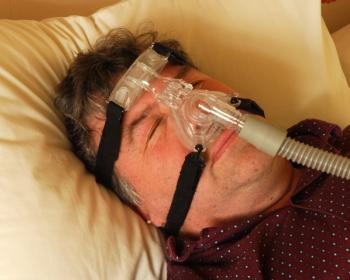
A six-month study shows the common OSA therapy could have long-term benefit for reducing eventual cardiovascular risk.

Treatment drug results in a significant reduction in severe exacerbations for patients with eosinophil ≥150 cells/µL.

An assessment of FF/UMEC/VI in a single inhaler show its benefit in respiratory function among COPD patients at 24 weeks.
A 52-week assessment shows patients of varying interleukin serum levels equally benefitted from the TSLP inhibitor.
New ATS findings show the IL-5 inhibitor has sustained and oftentimes improved benefit in patients from 6 months to 12.
Dr. Ian Pavord discusses new meta-analyses of dupilumab planned for ATS 2020 on the DocTalk podcast.

When compared to placebo, benralizumab results in a significantly improved asthma exacerbation rates.
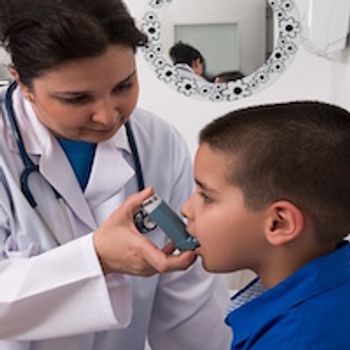
New research show younger age is associated with a non-response to biologic agents.

While initial double therapy has proven effective in treating pulmonary arterial hypertension, adding selexipag to the treatment regimen of macitentan and tadalafil could be beneficial in this patient population.
Patients with the splice variant were significantly less likely to have raised blood eosinophil counts.

Electronic nicotine device use could lead to a number of respiratory outcomes such as wheezing and dry coughs.