
Allergic rhinitis is the most frequent atopic coexisting disease in the LIBERTY ASTHMA VENTURE study.
Allergic rhinitis is the most frequent atopic coexisting disease in the LIBERTY ASTHMA VENTURE study.

Discussing how approval of bempedoic acid impacts the role of PCSK9 inhibitors for lowering LDL-C.

New findings show eligible men and minority group patients are less likely to receive a fill for the novel drug class.
A new study assesses the preference and benefit of conscious sedation versus general anesthesia in TAVR patients.

An open-label extension of GLAGOV shows the monoclonal antibody plus statin therapy is not associated with any new safety concerns.

A new Emory University study sheds light on the relationship between mental and cardiovascular health.

A pediatric version of the ASTHMAXcel mobile application will include games.
A special edition ACC House Call with Deepak Bhatt, MD, to discuss the results of a meta-analysis looking at ticagrelor and MALE from 2 clinical trials.
A discussion on a study from ACC.20 examining use of a novel genetic risk score to predict VTE in patients with cardiometabolic disease.

An ACC board member explains the major cardiology college's decision to move the meeting online during the COVID-19 pandemic.

The Mount Sinai expert and ACC late-breaking presentation panelist highlights her most anticipated trial data and discussions in the upcoming meeting.
Executive Director of Interventional Cardiovascular Programs at Brigham and Women's discusses some research he took part in being presented at this year's conference.

In a new study, investigators discover 7-8 hours as the optimal sleep duration for reducing the risk of strokes and heart disease.

Muthiah Vaduganathan, MD, MPH, discusses how research of the add-on drug class will continue to evolve into 2021.

The three-year study represents the largest long-term kinetic immunotherapy trial.

New data from ACC.20/WCC indicates low birth weight in infants could indicate mothers who are at increased risk of heart failure later in life.

How will heart valve options refine and progress over the coming year?
A discussion with a Brigham and Women's Hospital cardiologist on the research of the add-on cardiometabolic drug class.
In the phase 2 PIONEER trial, patients taking avapritinib self-reported improvements in quality of life.

New research presented at ACC.20/WCC suggests increased protein intake could reduce the risk of atrial fibrillation in older women up to 8%.
The author of the first systematic evaluation of commissural alignment in TAVR shares his team's findings.
About 1 in every 20 adult Americans now reguarly uses vaping and e-cigarette products.

New research from ACC.20/WCC suggests taking statins before initiating chemotherapy with anthracycline or trastuzumab could reduce treatment-associated cardiotoxicity.

New data from ACC.20/WCC is revealing more about the risk of AF associated with various cancer types.
As medical knowledge continues to grow, Dennis Ledford. MD, explains the importance of doctors in different fields collaborating.

A look back on the biggest discussions of the 29th Annual Cardiovascular Conference in Beaver Creek, CO.

A pair of colleagues from Duke detail what makes the annual cardiovascular meeting beneficial to researchers and clinicians.

A cardiologist and professor of medicine at Duke discusses the nuances of approaching stroke prevention in obese patients compared to those with other risk factors.
In a 3-patient study presented at ASH, investigators believe they have found a therapeutic target to cure sickle cell disease.
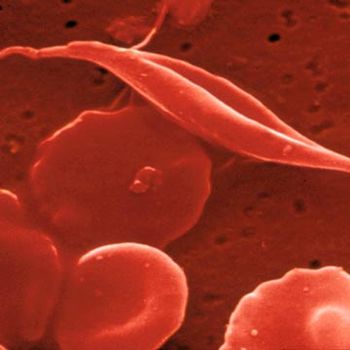
In a study presented at the annual ASH meeting, investigators link biomarkers of cardiopulmonary, renal, and liver dysfunction with specific outcomes for adult sickle cell disease patients.