

The ORION-10 trial revealed 300 mg inclisiran twice-yearly reduced LDL-C levels by 58% in patients with atherosclerotic cardiovascular disease.
The ORION-10 trial revealed 300 mg inclisiran twice-yearly reduced LDL-C levels by 58% in patients with atherosclerotic cardiovascular disease.

In a presentation during AHA, investigators present new evidence linking sleep issues with poorer outcomes for hypertension patients.
New empagliflozin data assesses the SGLT-2 inhibitor versus GLP-1 agonists and DPP-4 inhibitors for patients with heart failure.

Results of the COLCOT trial presented at AHA 2019 revealed colchicine use could reduce the risk of cardiovascular events by 35% in patients who recently suffered a myocardial infarction.

The adult heart failure study is the first of its kind: a completely decentralized, indication-seeking clinical trial.

Results from the 400,000-plus patient trial show a pulse detection app on the Apple Watch may aid users in detecting risks of atrial fibrillation.
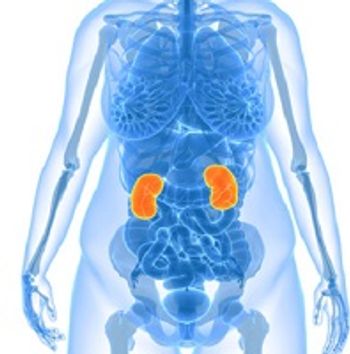
Studies are ongoing to test the safety and efficacy of treating primary hyperoxaluria type 1 patients with lumasiran.

George Mulligan, PhD, discusses during Kidney Week the results of a phase IIa study showing potential in a new drug to treat patients at risk for developing an acute kidney injury following cardiovascular surgery.

George Bakris, MD, discusses how nephrologists can work with other specialists and what the highlight of Kidney Week was.

For what other indications, and in what regimens, are investigators assessing the drug class?

Todd Alexander, MD, discusses a relatively new field of nephrology research during Kidney Week.
George Bakris, MD, discusses the major study during Kidney Week, as well as what diseases should get more attention in future research.

Certain diet-based comorbid conditions are more prevalent in food-allergic patients.
At least 1 major food allergy trial in recent years has given allergists incentive to set detailed strategies for their patients.
Could the drug class best serve patients as an adjunctive, a monotherapy, or maybe a prophylaxis for symptoms?

During Kidney Week, Katherine Tuttle, MD, discusses the plethora of options available to nephrologists, including dulaglutide.

In a study presented at Kidney Week, investigators breakdown data on the end-of-life care for non-dialysis veterans with chronic kidney disease.

Matthew Weir, MD talks about some of the challenges in nephrology and what has people buzzing while at Kidney Week.
Matthew Weir, MD, discusses the START-CKD trial at Kidney Week.
In an abstract presented at Kidney Week, investigators discuss the differences in treatments along different demographical lines.

Though research behind preventive measures is lacking, there are common steps that could be taken to reduce pediatric risk.
As new methods of treatment come to the market, allergists need to ensure their patients are fully informed and able to set their own goals for care.
How can physicians train parents to trust immunotherapy—an allergen exposure they were previously told to avoid?
A growing patient population and burdens of physician shortage require specialists and primary care collaborate more and more.

Assessing a food allergy patient's overall diet during immunotherapy trials could unlock understanding how the microbiome affects the allergic reaction.
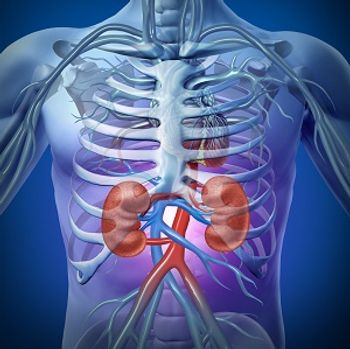
During Kidney Week, investigators present data showing that canagliflozin could be beneficial for patients across various levels of kidney function.

Investigators from many different fields, including nephrology, oncology, and cardiology, come together to collaborate at Kidney Week.

Distinguishing biologic-eligible patients may still need further biomarker and disease severity research.
The rate of ED cases have decreased over years, yet proper patient follow-up is still lacking.

During Kidney Week, Christine Liu, MD, discusses some of the issues geriatric patients face.