
AAV2/5-OPTIRPE65 showed improvements in vision-guided mobility, retinal sensitivity, and foveal-driven visual function for patients with RPE65-associated retinal dystrophy.
AAV2/5-OPTIRPE65 showed improvements in vision-guided mobility, retinal sensitivity, and foveal-driven visual function for patients with RPE65-associated retinal dystrophy.

A phase 2 trial found that use of risuteganib resulted in 48% of patients with nonexudative age-related macular degeneration gaining 8 or more letters of BCVA.

A new study presented at AAO 2019 found the only FDA-approved pill for interstitial cystitis caused retinal damage in about 25% of patients who had been receiving the treatment.

Data from 2 phase 3 trials, which included more than 1800 patients, examining the efficacy and safety profile of abicipar for the treatment of neovascular age-related macular degeneration were presented at AAO 2019.
Data from a phase 1/2a study show RGX-314, a gene therapy from RegenX, was well tolerated and improved visual acuity in patients.

Results of the phase 1 OPTIC trial reveal ADVM-022 was effective at maintaining visual acuity in patients with wet AMD with a favorable safety profile.

New findings show nearly 2000 children in the US were hospitalized due to a gun-related ocular injury from 2008-2014. Most patients faced uncertain visual status going forward.

Gail Rodich, MD, discusses what the approval of rituximab, which has approvals for 9 other conditions including rheumatoid arthritis, means for pediatric patients with GPA and MPA.

While better therapies exist to treat patients with heart failure with reduced ejection fraction, there are several hurdles preventing them from being implemented.

Doctors need to use their best judgement when deciding when to use cardiogenic shock devices for temporary mechanical support.
How recent trends in heart failure research have shown more priority to patient quality of life outcomes.
How does the broadened sacubitril/valsartan assessment influence the treating confidence of a clinician?

Shaquille O'Neal, EdD, and Elizabeth Ofili, MD, discuss how organizations and physicians are taking novel approaches to engage patients and non-patients about heart failure.

New findings from the trial show daily adherence to the fluid monitoring ReDS system dropped HF patient readmission risk by 58%.
Shaquille O'Neal and Elizabeth Ofili, MD, sit down to discuss Shaq Gets Real, which is a new campaign from Arbor Pharmaceuticals to increase awareness of the disparities in heart failure rates in the African American community.

After success in a recent clinical trial, dapagliflozin will soon be available to reduce the risk of heart failure in adults with heart failure reduced ejection fraction or preserved ejection fraction.
Elizabeth Ofili, MD, discusses the importance of annual meetings, such as HFSA 2019, for outreach and engaging patient populations about heart failure.

At the annual meeting dedicated to heart failure, investigators present nutritional recommendations for patients, which includes dietary consultations, bariatric surgery, and a reduction in saturated fats and sodium.
Shaquille O'Neal, Ed.D, and Elizabeth Ofili, MD, discuss using unconventional mediums to engage non-patients and spread awarness of heart failure — specifically in African Americans.
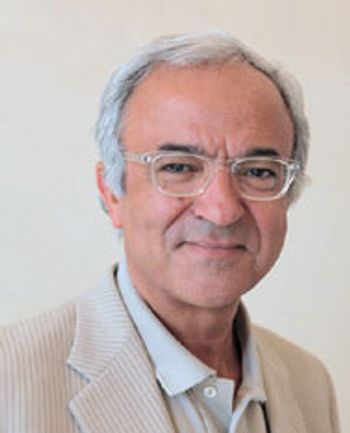
A proof of concept trial examining spironolactone for heart failure prevention presented at HFSA 2019 found spironolactone use did reduce PIIINP or that its impact on PIIINP was mitigated by galectin-3.

There are many options to treat heart failure for patients suffering from end stage kidney disease.

Results of the AMBER study, presented at HFSA 2019, found that patiromer can help improve spironolactone use while also reducing the prevalence of hyperkalemia.
While the benefits are clear, there are still some hurdles that remain preventing an increase in suggested dialysis frequency.
What was learned from the newest data for sacubitril/valsartan for HFrEF?

A study presented at HFSA 2019 Scientific Sessions found that virtual visits were a feasible option that could reduce no-show rates among heart failure patients following hospitalization.
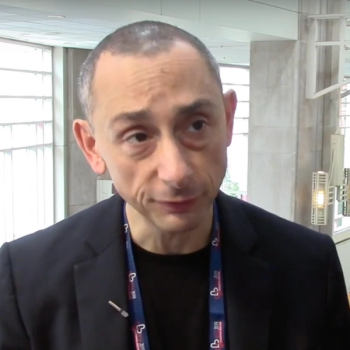
How new dapagliflozin findings from ESC 2019 and HFSA 2019 shape our understanding of the SGLT-2 inhibitor's benefit.

Investigators present data during the HFSA meeting on how different types of meals at different time impact the body’s circadian rhythm.
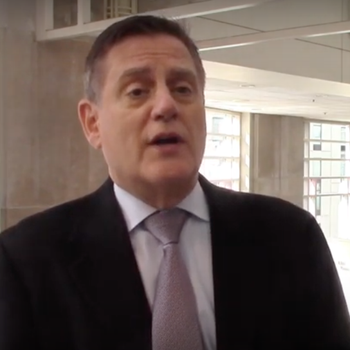
Emerging mechanical therapy options have given life to a field which has gone under severe recharacterization in an era of increased obesity.

Hospital costs, length of stay, and even mortality were shown to be significantly cut in TAVR patients with comorbid heart failrue than those without, new data shows.

By doubling the recommended weekly dialysis, patients see a number of benefits, including a reduction in blood pressure and improvements in cardiovascular vibration.