

A new study from ATS showed an early symptom of Alzheimer disease is more prevalent in older patients with moderate OSA.
A new study from ATS showed an early symptom of Alzheimer disease is more prevalent in older patients with moderate OSA.

Sepsis patients with an acuity score of 3 received antibiotics half an hour later than patients with the slightly more critical score of 2.

Neighborhoods redlined in the 1930s continue to feel the effects of the racially discriminatory practice, including differences in asthma-related emergency visits.

Sleep apnea is associated with pulmonary, cardiovascular, psychiatric, neurologic, and weight-related effects. Primary care physicians need to monitor sleep health more.

Previous analyses into MultiStem Cell Therapy have shown benefits and safety in stroke patients. What will it take for the therapy to reach a phase 3 trial for ARDS?

Within a week of treatment on the investigative biologic, patients with severe form of the condition were reporting a return of smell and taste.

Though the prostacyclin-targeting therapy selexipag is beneficial for PAH patients, investigators advise treatment to a trio of pathways.

Increased primary care use in a region was associated with reduced rates of ICU admission and mechanical ventilation use.

While 35% of providers say they’re unlikely to allow family to be present during ICU procedures, the 38% who say it’s a regular practice overwhelmingly call it a positive experience.

Why are major adverse cardiovascular events not treated as the concern risk factors they are in patients with obstructive sleep apnea?

Upper airway stimulation, a sleep apnea treatment on the rise, is showing particular benefit for female patients.

Early-stage study results from the multi-center MUST-ARDS trial show the ex-vivo adult progenitor cell-expanding therapy is capable of improving 28-day mortality, care burden, and overall safety in patients with ARDS.

Mental health disorders are highly prevalent in certain patients with COPD—and their effect can limit lung function therapy benefit.

Early research found that e-cigarette use affects the immune system response to the flu virus and the effects are different for female and male users.

A multivariate cohort showed opioids in situation of critical care may not drive rates of continued use after 1 year.

The intracellular tyrosine kinases inhibitor has a similar benefit for patients with the rare, heterogenous associated form of ILD as it does for patients with IPF.

Among patients in SINUS-24 and SINUS-52 with chronic rhinosinusitis with nasal polyps and comorbid asthma, dupilumab significantly improved function and patient-reported outcomes.

Does it matter whether federal and state regulations allow for a significant user population?

How new GRIPHON data showed further definitive long-term outcomes for patients with pulmonary hypertension.

Why are diagnoses still significantly underwhelming for a chronic condition on the rise?

High-risk LIVE scores for patients with COPD were associated with higher all-cause mortality and higher rates of referral to palliative care.
New Sunovion data at ATS 2019 shows expected trends of comorbidity effect on patients, and surprising results of care between men and women.

In an open-label trial among adults with mild asthma, budesonide-formoterol treatment was superior to albuterol for the prevention of asthma exacerbations.

Investigators were seeking an alternative therapy for persistent asthma patients reporting insufficient benefit from mometasone, despite it being the guideline standard.

Using a national medical claims database, investigators found the incidence and prevalence of uveitis in the US.

Results from the 3-year European Iluvien Registry Safety Study that examined outcomes of the fluocinolone acetonide implant compared to those of the pivotal FAME trials.

Investigators calculated perilesional sensitivity and responding sensitivity for eyes in a geographic atrophy clinical trial and compared these to mean retinal sensitivity.
Chang and colleagues are developing an outcome for geographic atrophy trials that measures vision loss rather than structural changes.
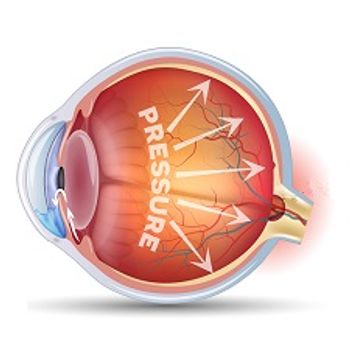
A study presented at ARVO 2019 examines the long-term safety of BAK-free latanoprost for treatment of open-angle glaucoma or ocular hypertension

A recent study, presented at ARVO 2019, found that ophthalmologists have 77% greater odds of experiencing professional fulfillment, but ophthalmology residents are 3 times more likely to express an intent to leave the field than other surgical residents.