
Though there are few treatments for pemphigus vulgaris, a rare disease, the Believe-PV trial of PRN1008 raises the possibility of a new, better option.
Though there are few treatments for pemphigus vulgaris, a rare disease, the Believe-PV trial of PRN1008 raises the possibility of a new, better option.

Investigators assessed patients’ scores for body surface area, static Physician Global Assessments, and Dermatology QoL Index at 1 month post-index, and at three-month intervals both pre- and post-index.

Compared to standard cleansers and moisturizers, natural versions for sensitive skin provided benefits to patients with rosacea who were also taking prescription treatments.

In this analysis, brodalumab was successful in treating patients who had a psoriasis diagnosis for

New data from AAD show the recently-approved biologic is among the most cost-saving therapies in year 2 of treatment, and beyond.

Investigators sought to evaluate the efficacy, safety, psychosocial impact, quality of life, adherence to and satisfaction with the treatment of dupilumab and add-on treatment.

An internist’s perspective on which sessions to attend, from melanoma to inflammatory diseases to cosmetic procedures.

A meta-analysis of studies found that treatment with platelet-rich plasma improves androgenetic alopecia, scarring, and other dermatologic conditions.

A large retrospective study of patients with acne found no significant association between isotretinoin exposure and depression.
Pediatric peanut allergy trials have proven successful. Now where do researchers look next?

In this phase 3 study, dupilumab improved outcomes for patients with recurring severe chronic rhinosinusitis with nasal polyps.

What does the typical patient have to treat aside from their allergy, and what are their treatment goals?
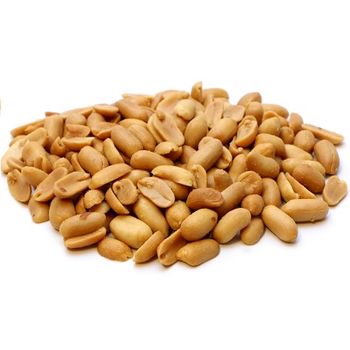
Patients who incorporated small amounts of peanut into their diet experienced increased quality of life.

Have current guidelines been fitted to consider the future of immunotherapy research?
UNC investigators consider the role current food allergy trials may play in addressing gaps of knowledge on patient individualization.

Mothers reported breastfeeding infants who reacted to food allergen exposure via breastmilk for significantly longer than infants who did not react.

Investigators conducted a post-hoc analysis in order to assess eosinophil levels and lung function among patients with low FEV1 reversibility to short-acting beta agonists.

Why it may be critical to reassess dosing practices being practiced in investigative food allergy therapies.

About 9 of 10 patients were able to safely consume foods containing peanuts in an eight-year, longitudinal observational study.
Kim and Commins discuss what the next series of data on the investigative peanut immunotherapies may mean for the field.

The therapy was further assessed in asthmatic patients with comorbid chronic rhinosinusitis and with or without nasal polyposis.
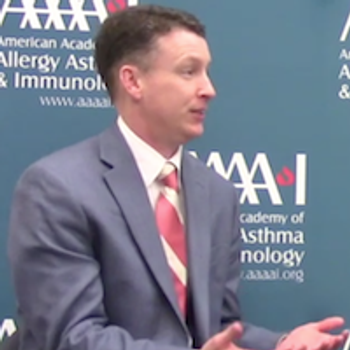
UNC School of Medicine colleagues Edwin Kim, MD, MS, and Scott Commins, MD, PhD, explain how the discussion around food allergy care has progressed this year.

This analysis of the phase 3 LIBERTY ASTHMA QUEST study analyzed data for patients with and without allergic rhinitis.
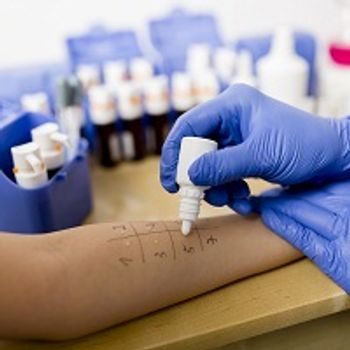
Investigators found that age, gender, and allergy test setting were not significantly associated with penicillin allergy label persistence.

How do current peanut allergy immunotherapies compare, and what other allergens may be addressed next?

Investigative therapy PVX108 showed a favorable tolerability and safety profile in patients with peanut allergies.
How did dupilumab fare in patients with chronic rhinosinusitis with nasal polyps?
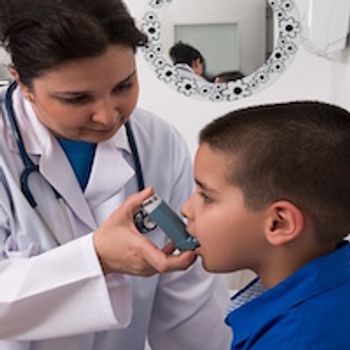
Having asthma was associated with sensitization to 1 or more allergens. Having sensitization to the individual allergens—mouse, cockroach, and dust mite—were also associated with sensitization to 1 or more allergens.

Why both physicians and patients need to be on the same page when considering food allergy oral immunotherapy.
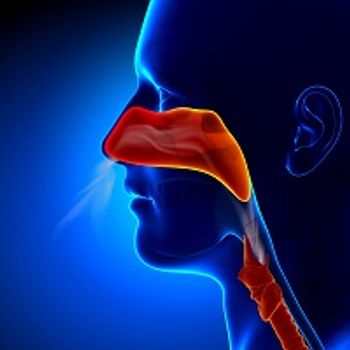
In a phase 3 study, dupilumab reduced nasal polyp scores and nasal congestion compared to placebo in patients with chronic rhinosinusitis with nasal polyps.