

An updated epidemiological review paints a concerning picture of pediatric cow’s milk allergy in the US.
An updated epidemiological review paints a concerning picture of pediatric cow’s milk allergy in the US.

On the bright side: In-hospital education shown to be effective in helping bridge the gap.

Sterilizing or hand washing pacifiers doesn’t have the same allergy-suppressing benefits as sucking on them, according to new research.

In a real-world setting, omalizumab improved UAS scores, DLQI scores, response scores, and saw a similar or better safety profile.

Norah Terrault, MPH, MD, explains how the use of cannabis can affect a patient's status on the liver transplant list.

The therapy saw similar safety and efficacy profiles across the BORA, SIROCCO and CALIMA studies for the treatment of asthma.

Investigators have found that lowering LDL cholesterol may not be the only way to reduce cardiovascular events—reducing inflammation may be the key to improving outcomes.

Norah Terrault, MPH, MD, discusses gaps in treatment in people who are infected with hepatitis C virus and what steps clinicians should take when treating these patients.

The new approach could shave off time and costs from the current standard regimen.

Using relevant clinical trial data, investigators created a price tag of about $6300 annually for the very effective, often costly inhibitor.

James Januzzi, MD, discusses trial results from the PIONEER-HF trial and what cardiologists and hospitalists should know about sacubitril-valsartan.
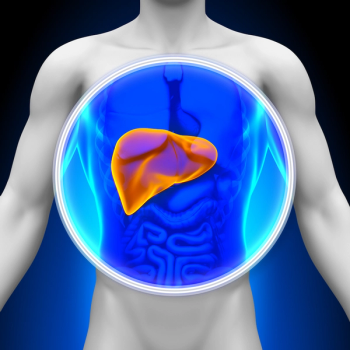
At 12 weeks post treatment per protocol analysis with 8 weeks of glecaprevir/pibrentasvir treatment, patients with hepatitis C virus genotypes 1, 2, 4, 5 and 6 achieved a sustained virologic response.
Norah Terrault, MPH, MD, addresses the many unanswered questions and data surrounding cannabis use in liver disease.

Investigators praised the excellent effectiveness of both therapies, but advised care regarding the increased odds of adverse events requiring hospitalizations.

Steven Nissen, MD, discusses the updates to the cholesterol guidelines and how the risk calculator should not be considered an end-all be-all.

Investigators have found a pair of increased biomarker levels indicate patients with AF are at a greater risk of neurodegeneration.
“These guidelines bring back the concept of adjusting therapy for cholesterol levels, and they recommend more aggressive treatment targets for people in very high risk,” said Cleveland Clinic’s Steven Nissen.

A launderable mattress barrier has shown to decrease hospital-onset Clostridium difficile infections.

Clostridium difficile infection leads to higher rates of overall mortality among patients with cirrhosis compared to those who do not have the condition.

The use of mood-altering medications does not increase odds for hepatic encephalopathy or hepatic encephalopathy-related hospital admissions after TIPS placement, according to the results of a new study.

When compared with enalapril, in patients with acute decompensated heart failure, sacubitril–valsartan led to greater reduction in N-terminal pro–B-type natriuretic peptide (NT-proBNP), and reduced re-hospitalization for heart failure, and was well tolerated.

People who inject drugs who are infected with hepatitis C virus can achieve sustained viral response at the completion of treatment, despite imperfect adherence.

In addition to a 25% reduction of risk of future cardiovascular events, icosapent ethyl (Vascepa) lowered the risk of cardiovascular death by 20%.
Research on nonalcoholic fatty liver disease in persons infected with HIV revealed a prevalence of the condition of about 40%.

Although acute kidney injury is common in patients with cirrhosis, those who are admitted to the hospital are at increased risk, especially if they are of older age, Child-Pugh Class C, or have ascites or sepsis.

Ezetimibe 10 mg/day significantly reduced the incidence of atherosclerotic cardiovascular events in elderly patients with high LDL cholesterol compared to control.
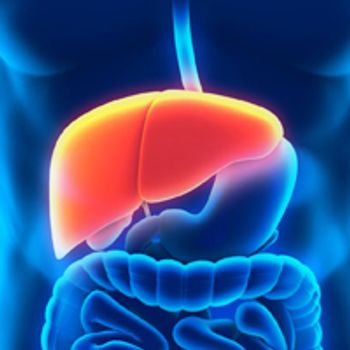
Data from a phase 2, double-blind, placebo-controlled study, showed a higher dose of simvastatin was associated with greater liver and muscle toxicity compared with a lower dose for patients with decompensated cirrhosis.

Treatment was also successful in patients with prior noncompletion or poor adherence to direct-acting antiviral therapy.

Anthony Rosenzweig, MD, Chief of Cardiology at Massachusetts General Hospital discusses how exercise can protect the heart and its potential role in cardiac regeneration.

In the VITAL study, investigators found that supplementation with omega-3s and vitamin D did not meet the primary endpoint of significantly reducing major cardiovascular events or total invasive cancer.