

After the therapy was approved by the FDA in May, investigators are anticipating its first real-world data will paint a clearer picture of its potential.
After the therapy was approved by the FDA in May, investigators are anticipating its first real-world data will paint a clearer picture of its potential.

Patients’ daily bleed diaries helped investigators understand why some bleeds are treated, and some are not, as well as their causes.

Jasmine Zain, MD, recaps the current and upcoming treatments in T-cell lymphoma and highlights the key clinical trials playing a role in the rare disease.

The pediatrician discusses key differences between treating pediatric and adult patients with hemophagocytic lymphohistiocytosis (HLH) with the recently FDA-approved emapalumab.
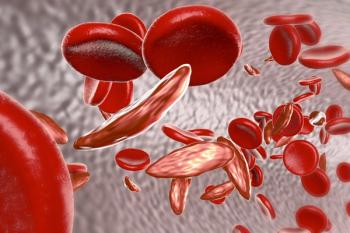
The therapy attempts to restore fetal hemoglobin production.

Ravulizumab dosed every 8 weeks was noninferior to eculizumab given every 2 weeks, but the treatment did not achieve superiority.

Among the highlights observed in the data, the single-agent oral demonstrated significant improvement in progression-free survival (PFS).
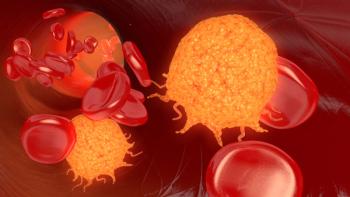
Full results from the phase 3 MURANO trial showed a reduced risk in disease progression and 87.9% overall survival in relapsed/refractory chronic lymphocytic leukemia patients treated with venetoclax/rituximab.

Currently available anemia therapies only provide benefit for about half of patients with a lower-risk myelodysplastic syndromes (MDS)-related condition—and about one-quarter of such patients dependent on red blood cell transfusions.
Justin Taylor, MD, explains new and unique data that show cases in which a solid tumor can become a hematologic malignancy, or leukemia.
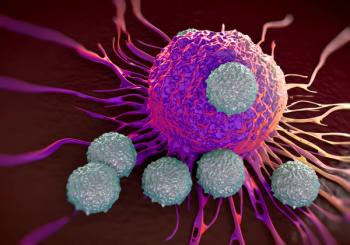
Males with myeloproliferative neoplasms (MPN) were found to have inferior survival compared to females in a well-defined, prospective, observational cohort.
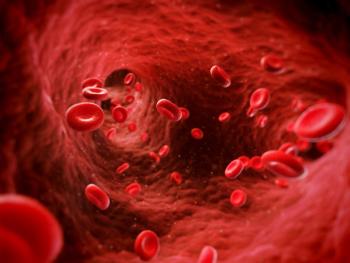
The odds ratio of patients on the therapy reaching ≥33% RBC transfusion burden reduction was 5 times greater than those on placebo.

Long-term data shows familial haploidentical stem cell transplantation (HISCT) improves quality of life and neurocognition in sickle cell disease patients.

Cirrhotic patients with variceal bleeding were found to have greater morbidity in association with obesity.

How fatty liver disease and NASH—as well as the comorbidities associated with them—highlighted this year's discussions.

Asthma is the most common chronic disease of childhood. Cellphones might help improve its management.

Many trials for monoclonal antibody therapies for asthma reported small percentages of African American or Hispanic participants, and some didn’t report racial/ethnic demographics at all.

Jay Edelberg, MD, PhD, of Sanofi and Robert Sanchez, PhD, of Regeneron shared about the recent ODYSSEY OUTCOMES trial of alirocumab (Praluent) and accompanying cost-effectiveness study.

The biologic AR101 was previously shown to significantly desensitize peanut allergies in a pediatric and adolescent patient population.
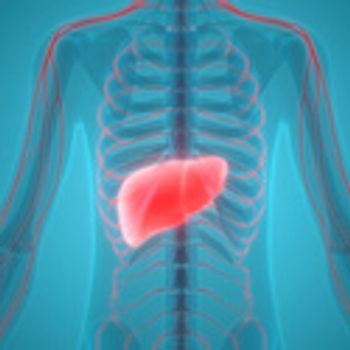
HRS-1 is a rare, acute complication of liver cirrhosis characterized by life-threatening and rapid progression that can end in renal failure. Terlipressin, a vasopressin analogue, could become the first therapy approved for the treatment of HRS-1 in the US.

Results may ease concerns for many physicians and patients who live in colder climates.

A 48-year-old man presents with severe atopic dermatitis that he’s had since childhood. Can allergy shots succeed where standard treatments failed?

The AR101 oral therapy—a biologic designed to desensitize peanut allergies, manufactured by Aimmune Therapeutics—is anticipated to be submitted for FDA approval in the next month.

Demystifying the oral food challenge starts with understanding its risks and benefits.

Study co-author Nicola Alexander Hanania, MD, explains what the new data means for practicing pulmonologists and allergists.

Busse explains the importance of having an additional treatment option and covers best practices for prescribing.

In 2017, roughly 5% of newborns had a peanut allergy. That’s a stark increase from the roughly 1% that characterized previous decades, according to researchers.

Researchers uncover the first report of cannabis allergy, suggesting that exposure to secondhand marijuana smoke may contribute to difficult-to-control asthma.
FF/VI met primary and secondary endpoints in increasing the mean proportion of days covered and time to index treatment discontinuation.

Researchers sought to balance the cost of autoinjectors with their lifesaving potential, and then boil the results down to an agreeable number. Here’s where they landed.