
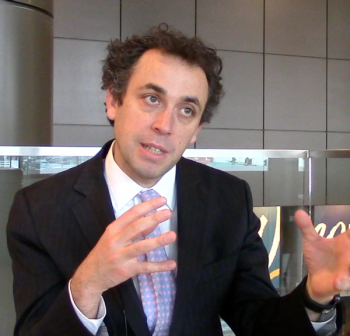
A system which rewards hospitals based on their patient readmission rates may not be considering other factors of care.
A system which rewards hospitals based on their patient readmission rates may not be considering other factors of care.
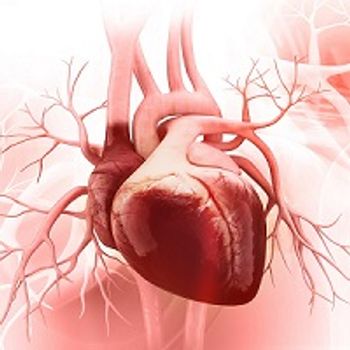
A prospective study found that daily dapagliflozin significantly improved mitral flow, left ventricular mass index, and left atrial volume index after 6 months of treatment.

The Janssen therapy was significantly more beneficial for atrial fibrillation patients than warfarin.

A new study reports an independent association between air pollution and arterial inflammation—and that the former could serve as a predictor to events like stroke and myocardial infarction.

No head-to-head trials exist for the inhibitors, but current data shows consistency across the board for each drug.
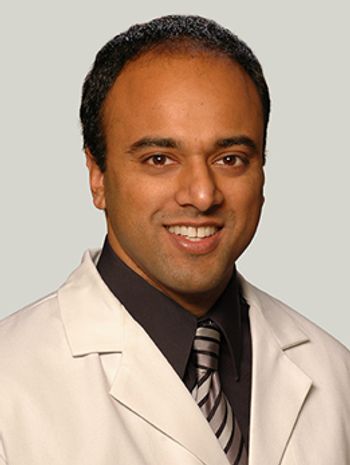
The ACC, in conjunction with the AHA and Heart Rhythm Association, released their 2019 guideline for the management of patients with atrial fibrillation.

There are currently no FDA-approved prescription treatments for common warts, instead dermatologists must rely on painful alternatives like cutting, burning, and freezing.
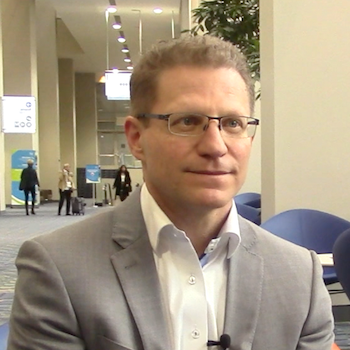
Following the completion of 2 pivotal trials, a new drug application for VP-102 will be submitted later this year.
Recently new therapy options are becoming more evidenced by the day. But have they reached their fullest potential?
Onychomycosis—fungal infection of the nail—is a common medical problem. Treatments are widely available, but relapse is common.
In a post hoc analysis, Green and colleagues examined the effect of halobetasol and tazarotene lotion on plaque psoriasis in a Hispanic population.
Green introduces the combination lotion tested in this clinical trial of patients with moderate-to-sever plaque psoriasis.
Recommendations for acne treatment drawn from AAD position paper and presentations.
The first generation of food allergy treatments is nearing the market. What could be next is more individualized therapies.

Even in trials like UltIMMA that compare 2 drugs, a placebo control grounds the data, says Ken Gordon, MD.

The nodular acne therapy has been a staple treatment for 3 decades, yet new AAD data showed it could still be better utilized in patients.
What other specialties should become more involved in the network of care for allergic patients?
Is the US population having allergies diagnosed correctly, and are allergies on the rise?
Confocal microscopy is an emerging technique that can offer a non-invasive alternative to biopsy.

The prevalence of anxiety, depression, and ADD was higher in patients with this excessive sweating disorder than the general population.
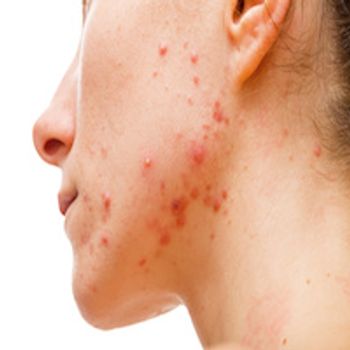
A new, long-term assessment of phase 4 data shows a twice-daily regimen of the common acne therapy can retain patient benefits weeks after treatment ends.
Aside from the efficacy and safety of risankizumab, Gordon addresses the convenience, ease of use, and persistence of efficacy for patients with psoriasis.
Gooderham addresses what the 3-year results of the reSURFACE 2 trial of tildrakizumab for plaque psoriasis mean for prescribers.
The analysis of the UltIMMa 1 & 2 trials of risankizumab demonstrated efficacy and safety in the treatment of moderate-to-severe plaque psoriasis.
Investigational treatment PRN1008 demonstrated efficacy in this difficult-to-treat condition.
This extension study investigated the long-term efficacy and safety of tildrakizumab for patients with plaque psoriasis.

Results from the reSURFACE 1 phase 3 trial shows the biologic is beneficial to patient rates of anxiety, pain, and depression.
Patrick Burnett shares about the secondary endpoints and safety data of the CAMP 1 & 2 clinical trials.
The phase 2 Believe-PV study observed few adverse events in patients with pemphigus vulgaris.
Patrick Burnett reports impressive topline results from the CAMP 1 & 2 studies of investigational treatment VP-102.