
Mia Woodward, MD, discusses the future of telehealth in ophthalmology and the biggest issues that need to be corrected going forward.
Mia Woodward, MD, discusses the future of telehealth in ophthalmology and the biggest issues that need to be corrected going forward.

An assessment of the world's largest twin registry found telling patterns of common autoimmune diseases including type 1 diabetes.
No significant differences in cardiovascular outcomes among patients receiving different GLP-1 agonists including exenatide extended-release, exenatide immediate-release, liraglutide, albiglutide, and dulaglutide.

Over the course of 16 weeks, OSA patients receiving CPAP treatment lost 5.7 pounds more on average than patients not receving CPAP therapy.

How the PIONEER-HF and PARADIGM-HF trials have focused on varied, but realistic heart failure patients.

A year-long outpatient care study showed that patients with type 2 diabetes and comorbid cardiovascular disease are 5 times as likely to visit a cardiologist.

A new Puerto Rico-based trial shows that patients on add-on SGLT-2 inhibitors reported greater HbA1C reductions.

It's been 4 years since the drug class reached the market. Are patients adhering to the therapy, and what more potential does it have?

What researchers from the low-risk TAVR trial anticipate they will find in their decade-long assessment.

With cardiovascular drug classes inhibitors owning discussion, how will recent or upcoming guideline updates address their use alongside lifestyle management?

Progress in invasive measures for cardiovascular conditions has allowed clinicians the ability to venture into new ground.
What plans are held to progress the impressive findings of an envelope for cardiovascular device infection?

An extension of the study showed sacubitril/valsartan's benefit as an initial hospitalized heart failure therapy.

Observed data from a 96,000-plus participant survey found the popularized cigarette alternative is also associated with a greater risk of depression.

How alirocumab fared for patients with polyvascular disease in a subset of the major clinical trial.

Heart disease is the greatest cause of death in women, and Wood believes female patients would better from a multidisciplinary approach.

Among participants of the EMPA-REG OUTCOME trial who experienced heart failure, empagliflozin was associated with lower rates of short-term re-hospitalization and death.
How an antibiotic envelope can address concerns of infection in cardiovascular devices.

A new study of a blood pressure-monitoring mobile app reports patients with diabetes could reach better thresholds.

What do some of the findings from one of the biggest presentations at ACC mean for the state of valve replacement care?

Why every care provider must be able to prepare for and commit to an "emergency protocol" in the face of adversity.

A 5000-plus patient study found that about 80% of young women have never been administered a lipid test.

The rate of heart attacks among patients under 40 years old has been increasing by 2% annually for the past decade.

New recommendations for prevention focus on risk factors, new therapies, and press against the popular use of aspirin as a preventive therapy.

A 3 million-plus patient longitudinal study found the drug class was no worse for amputation risks than other diabetes therapies, despite recent conflicting studies.
Now that SGLT-2 inhibitors have reached the market, how will clinicians compare their benefits in patients?
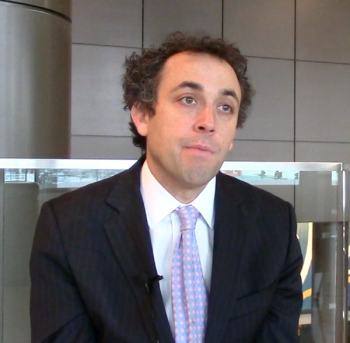
How is telehealth already influencing how some hospitals manage cardiovascular concerns?
Admissions for infective endocarditis related to intravenous drug use increased 436% from 2012-2017 at an Ohio medical center.
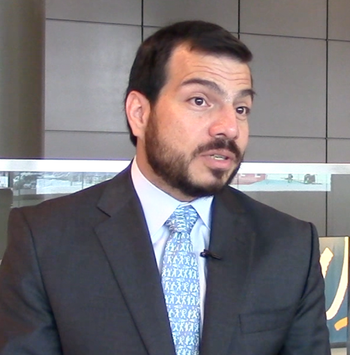
How advancing stent therapy options have come to bridge the gap between improving and elongating a patient's life.

How the effective cardiovascular drug class have reach a state of impending head-to-head trials.