
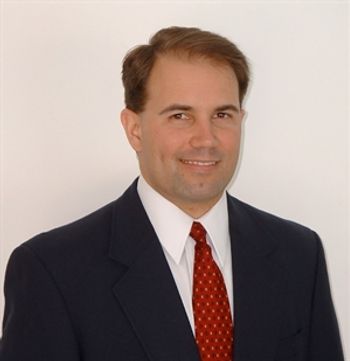
More patients undergoing long-term use anti-VEGF therapy saw improvements in visual acuity than saw declines after 10 years.
More patients undergoing long-term use anti-VEGF therapy saw improvements in visual acuity than saw declines after 10 years.

Investigators from Wills Eye and Retina Consultants of Austin presented 96-week data from the HAWK and HARRIER trials at ASRS 2019.

Peter Kaiser, MD, presented data from a phase 2 trial examining the safety and efficacy of risuteganib at ASRS 2019.

W. Lloyd Clark, MD, discusses the approaches he uses in his clinical practice to reduce patient noncompliance — specifically, when treating diabetic macular edema.
As physician burnout becomes a more common issue, physician across an array of fields find themselves discussing and formulating ways to circumvent burnout.

Physician from Palmetto Retina Center on deciding between aflibercept, ranibizumab, and avastin for treatment of DME.

Here's a primer for new data and discussions MD Mag will be covering this weekend in Chicago.

Kodiak's KSI-301 was shown to have sustained benefit and safety in a phase 1a study involving patients with severe DME.

After Janssen's submission of an sNDA in March, results of the CREDENCE subgroup analyses were among the most anticipated presentations at ADA 2019.

A study presented at ADA 2019 examined the efficacy of sitagliptin compared with dapagliflozin in t2d patients 65 years old and older.

A 6-month study examining the effects of hepatic-directed prandial insulin in patients with type 1 diabetes mellitus was presented at ADA 2019.
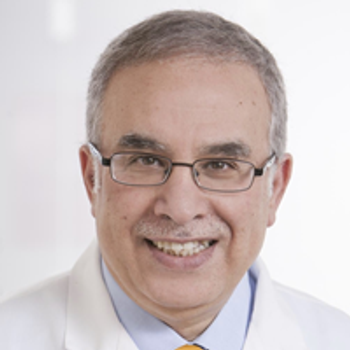
Osama Hamdy, MD, PhD, discusses the impact of a 10-year study observing the impact of lifestyle interventions among diabetes patients in real-world clinical practice.
Investigators presented results of a study that analyzed renal function and markers of kidney damage in more than 1,000 patients in two randomized trials examining ertugliflozin.
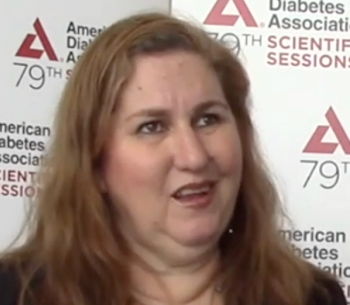
A study analyzing the renal outcomes of the DECLARE-TIMI 58 trial were presented at ADA 2019 in San Francisco, CA.

A new study shows patients with T1D and comorbid cardiovascular disease face a signficantly greater cost of care.

A recent analysis of the BRIGHT trial examining renal function of insulin glargine 300u/mL versus insulin degludec 100u/mL was presented at ADA 2019.
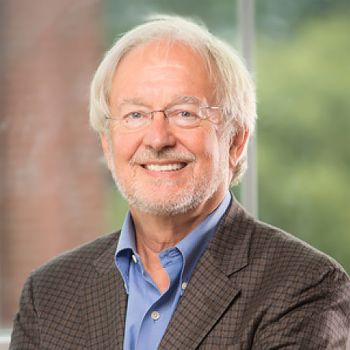
After making the rounds at ADA 2019, Patrick Burgess, MD, discusses what he thinks is the most important discussion taking place at this year's conference and the biggest challenge facing diabetes patients.

An analysis of 7 trials examining cardiovascular outcomes of study drugs found that concomitant insulin use increased a patient’s risk of severe cardiovascular outcomes.

A meta-analysis of 3 real-world studies into the effectiveness of Abbot's FreeStyle Libre Flash Glucose Monitoring System at ADA 2019.

A recent study from ADA 2019 found that rates of depression, mental illness, and antidepressant use among diabetes patients have increased significantly from 2010 to 2016.

Investigators from Allegheny Health Network examined the impact of a multidisciplinary team approach on glycemic control in patients with diabetes in a primary care setting.
An analysis of results from the EXSCEL trial has suggested that exenatide with SGLT2 inhibitors may reduce major cardiovascular events and improve renal health.

A new study from ADA showed the investigative monoclonal antibody suppressed development and diagnosis of T1D in at-risk patients.

A new retrospective cohort analysis found that patients with type 2 diabetes generally have about 12 months following BI initiation to achieve A1c < 7.0%.

Type 2 diabetes patient outcomes including heart failure, stroke, and myocardial infarction were weighed between the 2 popular drug classes.

A study of the massive 2005 trial data found that fenofibrate-targeted biomarkers are closely associated to cardiovascular risks in patients with T2D.

A study into the impact of the timing of glucose blood readings has found that being 15 to 25 minutes late can almost double a patient's risk of hypoglycemia.

A decision for icosapent ethyl's sNDA is not expected to come from the FDA until September, but excitement surrounding the drug is at all-time high.
UNC professor of medicine discusses her thoughts on the largest challenges for physicians to overcome in the future of diabetes treatment.

Early initiation of GLP-1RA and SGLT2 in patients with T2D resulted in higher odds for long term HbA1C control and for lower CV risk factors.