
While one disease is benefitting from advancing digital screening measures, the other has a standard therapy which could provide benefit to both.
While one disease is benefitting from advancing digital screening measures, the other has a standard therapy which could provide benefit to both.
How should physicians navigate the public belief that vaping is less harmful than cigarette smoking?
How the aclidinium bromide trial brings novel perspective to COPD care.
Are diagnostics and drugs optimized for pulmonary hypertension?
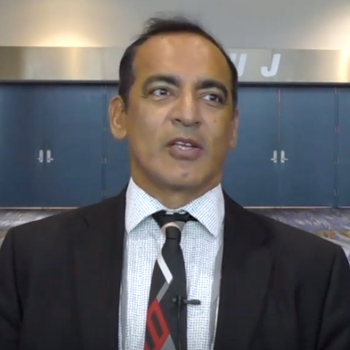
New ASCENT-COPD data show the therapy's benefit in reducing cardiovascular events among high-risk patients, along with significant exacerbation reduction.
What the introduction of aclidinium/formoterol could mean for patients with COPD.
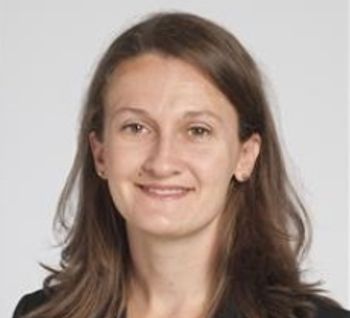
Katherine Talcott, MD, of Cole Eye Institute, discusses results of a 5-year study examining endogenous bacterial endophthalmitis at a tertiary care center from AAO 2019.
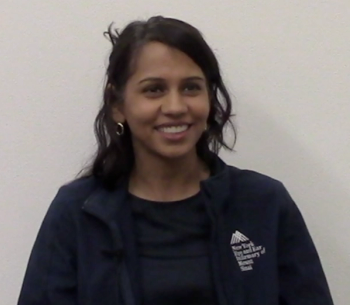
Sumayya Ahmad, MD, assistant professor of medicine at Icahn School of Medicine at Mount Sinai, discusses results of a study she presented at AAO 2019 that examined the real-world survival rates of penetrating keratoplasty.
Katherine Talcott, MD, of the Cole Eye Institute, discusses the results of a study she co-authored from AAO 2019 that examined visual acuity outcomes after cataract extraction with IOL implantation with diabetic eyes.
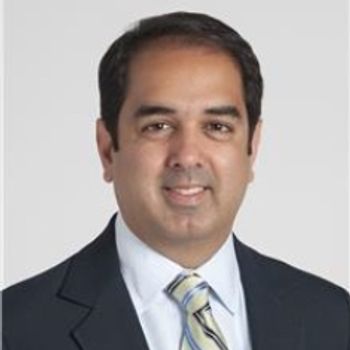
Rishi Singh, MD, of the Cole Eye Institute, discusses the results of an analysis of VIEW trial participants he presented at AAO 2019.
Sumayya Ahmad, MD, assistant professor of ophthalmology at Icahn School of Medicine at Mount Sinai, discusses the results of a study she co-authored examining demographic associations with varying forms of astigmatism
Michael Stewart, MD, of Mayo Clinic Jacksonville, discusses the results of 2 phase 2a studies examining the use of AKST4290 in treatment naive and refractory neovascular age-related macular degeneration.

Aleksandra Rachitskaya, MD, of Cole Eye Institute, discusses a presentation she led at AAO 2019 on novel imaging and surgical techniques.
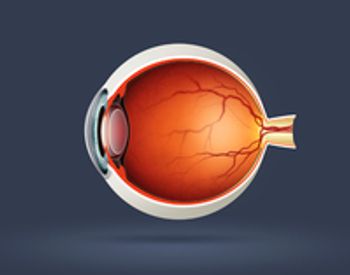
A new study has found that receiving or not receiving topical antibiotics following cataract surgery had no impact on the development of endophthalmitis.
A phase 1b study, which was presented by Charles Wykoff, MD, PhD, at AAO 2019, found the novel anti-VEGF therapy KSI-301 shows promise for treating a slew of retinal diseases.
A presentation at AAO 2019 highlighted the ability of the EyeArt screening system to detect diabetic retinopathy with 95.5% sensitivity.
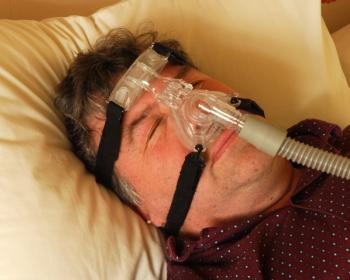
A study presented at AAO 2019 revealed that obstructive sleep apnea could be a risk factor for diabetic macular edema and refractory diabetic macular edema.
Results of a phase 1 study examining a potential gene therapy for x-linked retinitis pigmentosa showcased improvements in microperimetry and a favorable safety profile.

Raymond Douglas, MD, PhD, professor of ophthalmology and director of the Orbit and Thyroid Eye Disease Center at Cedars-Sinai, discusses results of the phase 3 OPTIC study and what a potential approval of teprotumumab would mean for patients and physicians.
Edmund Tsui, MD, social media editor for Ophthalmology, discusses some of the common pitfalls and advantages in the manner some physicians and clinicians navigate social media on this episode of the DocTalk Podcast.

The rAAV2/2-ND4 gene therapy GS010 elicited continuous bilateral improvements in BCVA from week 48 to week 96 for patients with Leber hereditary optic neuropathy.
Carl Regillo, MD, of Wills Eye Hospital, presented end of study results of the phase 2 LADDER study, which suggested PDS with ranibizumab could be an effective treatment for neovascular AMD, at AAO 2019.
Intraocular pressure at day 7 post MicroShunt implantation may be useful for predicting outcomes 1-year post procedure for patients with glaucoma.
A 0.002% concentration of sepetaprost demonstrated promising reductions in intraocular pressure (for patients with primary open-angle glaucoma or ocular hypertension.
A new study from the University of Western Australia has revealed that undergoing cataract surgery on both eyes resulted in a 48% improvement in safety during a driving simulator with patients.
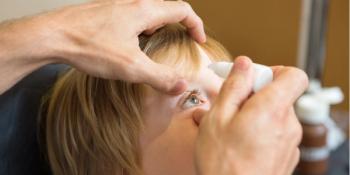
A 2-year study in 80 children found that combination therapy of orthokeratology and atropine 0.01% was 38% more effective than monotherapy for slowing myopia in children with lower myopia.
Louis Pasquale, MD, professor of medicine at Icahn School of Medicine at Mount Sinai, discusses how technology and artificial intelligence has impacted ophthalmology.
Intravitreal aflibercept injection showed a high level of ≥2-step improvement in DRSS compared with sham for patients with moderately severe to severe nonproliferative diabetic retinopathy.
Treatment with subretinal transplantation of allogeneic human retinal progenitor cells showed promising early signs of efficacy as a treatment for individuals with retinitis pigmentosa.

Results of the LEAVO trial presented at AAO 2019 reveal a low level of confidence among investigators for recommending bevacizumab treatment as equivalent to ranibizumab and aflibercept at 100 weeks.