
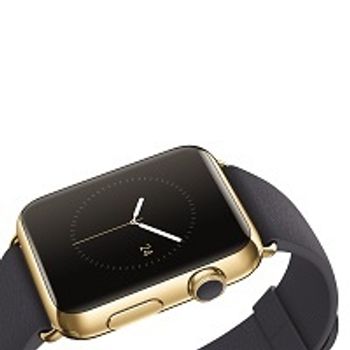
A new study of more than 5000 patients in a rural community in India suggests the Apple Watch and its A-fib software could serve as a valuable screening tool in underserved communities and developing countries.
A new study of more than 5000 patients in a rural community in India suggests the Apple Watch and its A-fib software could serve as a valuable screening tool in underserved communities and developing countries.

A fourth-year cardiology medical student shares his perspectives from the audience at the American Heart Association Scientific Sessions.
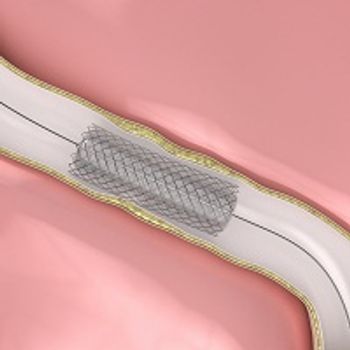
Seth Bilazarian, MD, medical director of Abiomed, responds to an analysis presented at AHA 2019 suggesting Impella devices were associated with a greater risk of death and stroke.

The understood risk of cancer development in patients with cardiovascular disease requires improved care teams.

A look into the findings of ticagrelor in high risk patients, with or without aspirin.
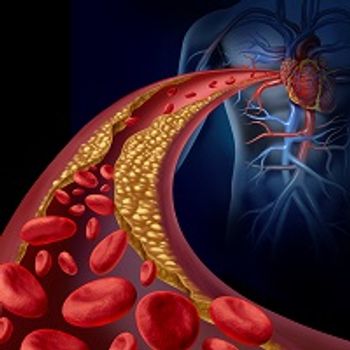
Results of the "Treat Stroke to Target" trial found an LDL-C target of 70 mg/dL led to a significant reduction in secondary stroke events.

In a presentation during AHA, present recommendations for improving cardiovascular outcomes and healthy aging.

Promising drug inclisiran shows significant LDL cholesterol reduction in patients with familial hypercholesterolemia.

Results of ORION-9 reveal inclisiran has the potential to treat familial hypercholesterolemia with twice-a-year injections.

Patients in the propranolol arm recorded a significantly reduced mean office SBP of 130.00 (+/- 13.24) mmHg vs 139.93 (+/- 14.17) mmHg (p = 0.046).

An analysis of more than 40,000 patients who underwent percutaneous coronary intervention revealed Impella pumps were associated with an increased risk of death, stroke, and kidney injury compared to intra-aortic balloon pumps.

The addition of IPE significantly slowed coronary plaque progression as compared to placebo over 9 months for 4 of the 5 secondary end points.
How cardiologists have forged the often different goals of improving patients' life expectancies, with improving their quality of life.
A new study from UT Southwestern shows a new indicator of patient fringe risk for high blood pressure.

Investigators look at whether there are cardiovascular risks involved in electronic cigarettes.
A fourth-year cardiology medical student shares his perspectives from the audience at the American Heart Association Scientific Sessions.

During AHA, investigators analyzed some of the differences in outcomes for men and women in hypertension drug trials.

Udenafil positively impacted measures of exercise performance in patients after Fontan, but did not improve peak VO2.

A new study from AHA 2019 has found patients receiving periprocedural colchicine did not decrease their risk of developing PCI-related injuries compared to patients receiving placebo.

A total of 61.4% of patients in the immediate angiography group and 64.0% of patients in the delayed group were alive 1 year post-cardiac arrest.
Results of the TWILIGHT-ACS study revealed use of ticagrelor plus aspirin following coronary intervention in patients with acute coronary syndrome increased the risk of major bleeding.
A national study underlined a persistent trend of cardiovascular events among US women near giving birth.
New findings from ESCaPE-MD show CD34+ cell therapy significantly benefitted patients with coronary microvascular dysfunction over 6 months.

A recent analysis of the FRANCE-TAVI registry presented at AHA 2019 has found self-expanding transcatheter heart valves were associated with an increased risk of all-cause mortality following TAVR.

One (1.4%) of 73 patients assigned to early surgery and 11 (15.3%) of 72 patients assigned to conventional treatment died from CV causes.

A new study from AHA 2019 has found that use of rivaroxaban rather than antiplatelet therapy after TAVR increased a patient's risk of death and bleeding events.

Investigators present data from the CREDENCE trial during AHA.

Taking a routine invasive approach had no impact on clinical outcomes or quality of life in patients with chronic kidney disease as well as stable ischemic heart disease.

Results of the ISCHEMIA trial were revealed at AHA 2019 and revealed little overall benefit of an invasive approach but saw improved angina control in patients with previous angina.

Apabetalone demonstrated tolerability and safety in the phase 3 BETonMACE trial but the study did not meet its primary end point of reduction in major adverse cardiovascular events (MACE).