

Results of a recent study from ASH 2019 is suggesting a combination of navitoclax and ruxolitinib could improve outcomes for patients with myelofibrosis.
Results of a recent study from ASH 2019 is suggesting a combination of navitoclax and ruxolitinib could improve outcomes for patients with myelofibrosis.

Carfilzomib, dexamethasone, and daratumumab can be a good regimen for relapsed or refractory multiple myeloma, investigators found.

Results of a phase 3 study presented during the late-breaking sessions at ASH 2019 has found CC-486 provided patients with significant and meaningful improvements in overall survival (OS) and relapse-free survival.

The investigative monoclonal antibody may become the first therapy indicated for the rare autoimmune disease.

Results of a phase 3 study presented at ASH 2019 are suggesting blinatumomab was more effective than chemotherapy as a post-reinduction therapy in high and intermediate risk first relapse of b-acute lymphoblastic leukemia.

During the annual ASH meeting, investigators present phase 1 data from a new dose-climbing trial.

More patients with multiple myeloma could benefit from autologous hematopoietic cell transplantation, investigators found.

Results of the phase 2 MANIFEST study presented at ASH 2019 suggest CPI-0610 could be an effective treatment for patients with refractory or intolerant advanced myelofibrosis.

An analysis of nearly 7000 health records led to insights into factors of fragmented care for patients with sickle cell disease.

Results of an interim analysis of a phase 2 trial are suggesting enasidenib plus azacitidine may be more effective than azacitidine monotherapy alone.

New findings from a randomized, hospital-based trial in Nigeria show similar phase 2 results reported in the US for arginine as an adjuvant for vaso-occlusive pain episodes.

An updated meta-analysis from ASH 2019 is detailing the apparent risk of atrial fibrillation and major bleeding associated with ibrutinib use in patients with hematologic malignancies.

Investigators point out some of the reasons as to why there are less African Americans involved in AML clinical trials.

Timely identification of non-responders could reduce toxicities and costs, investigators wrote.

A new study presented at ASH 2019 is providing further evidence for the use of weight-adjusted rivaroxaban in children with venous thromboembolism.

A recent study from Penn Medicine presented at ASH 2019 has found mosunetuzumab could be an effective treatment for B-cell non-Hodgkin lymphoma refractory to CAR T therapy.

How do primary care physicians interact with specialists, and what is the current state of care?

During the annual ASH meeting, investigators issue new clinical development guidelines for sickle cell disease therapies.
Michael Spigler, vice president of Patient Services and Kidney Disease Education for the American Kidney Fund, talks about the challenges and future of nephrology during Kidney Week.

In a presentation at AHA, T. Jared Bunch, MD, discusses how early detection of AF could yield positive results down the line for patients.

Why US patients are now in absolute need of proven measures to lessen their risk of cardiovascular burden.

A new analysis from Johns Hopkins School of Medicine has found patients in the South, Midwest, and West were all more likely to report poorer healthcare-related quality of life when compared to patients in the Northeast.

What more needs to be learned about the link between the 2 diseases?

The new trial will seek to understand whether atrial fibrillation screening reduces stroke risk.

A conversation with Deepak Bhatt, MD, MPH, discussing the most impactful advances in cardiology in 2019 and what he sees as the most important advances in the past decade as 2019 comes to a close.
The study author provides insight into the benefit of inclisiran in at-risk patients with ASCVD.

In a presentation during AHA, Kevin Trulock, MD, explains some of the major risk factors that contribute to atrial fibrillation.
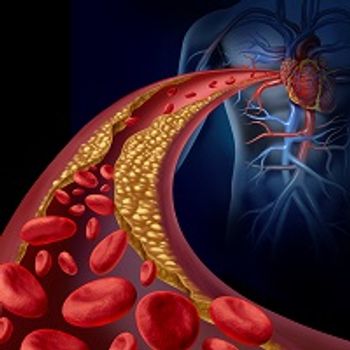
An analysis of 4 phase 3 clinical trials examining the use of bempedoic acid for lowering LDL cholesterol was presented at AHA 2019.
How preventive care strategy adherence could bolster heart disease risk reduction in entire families.

During AHA, investigators suggest ways to improve care for women in regard to diabetic and cardiovascular interventions.