

In a Meet-the-Professors session at ID Week 2018, experts addressed strategies to check for drug-drug interactions, direct-acting antivirals for special populations, and the management of hepatitis C virus infection for persons who inject drugs.
In a Meet-the-Professors session at ID Week 2018, experts addressed strategies to check for drug-drug interactions, direct-acting antivirals for special populations, and the management of hepatitis C virus infection for persons who inject drugs.

Individuals with HIV who have been detained at the US border are far more likely to be released having had some consultation about their health and steps to improve their outlook compared with those who were detained several years ago.

New research suggests that flu vaccination setting is associated with vaccination timing.

A Dallas-based study found that an adult hospital with a universal screening policy was far more likely to provide screenings to high-risk patients aged 13 or older.

DOR/3TC/TDF demonstrates noninferior efficacy and safety compared with continuing other ART regimens in a phase 3 trial.
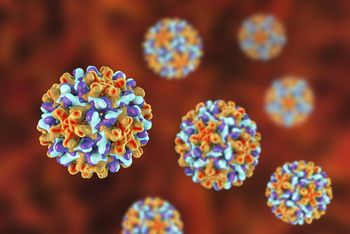
Kenneth Sherman, MD, PhD, discusses prevention measures for hepatitis B, managing co-infections of HIV and HCV, and recent developments to HCV screening processes

High-risk individuals, such as those with cardiopulmonary and other chronic conditions, are protected from flu-related hospitalizations with the vaccine.
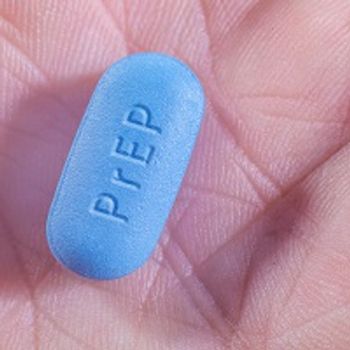
Investigators analyzed data from PrEP-eligible patients at the New York City Health + Hospital/Bellevue which showed that women and minority patients were less likely to be prescribed PrEP for HIV prevention.
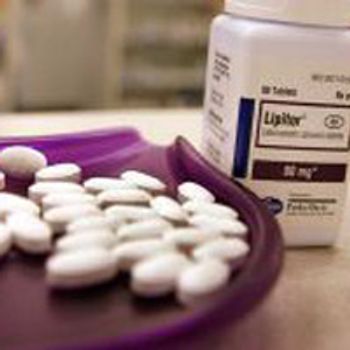
A South Korea meta-analysis found that, similarly to C. difficile, tuberculosis risk could be limited by the lipid-lowering agent.

Roche's investigative drug could become the first single-dose oral antiviral approved for the US market in December.

Community-onset cases still hovered around 45% of the annual cases, with the remainder being infections that developed once patients had been admitted to the hospital.

An oral influenza vaccine tablet protects against virus as well or better than an injectable quadrivalent vaccine in phase 2 trial.

Race and sex can play a role in the annual BMI gain for patients with HIV who are receiving certain antiretroviral therapy combinations.

Unvaccinated individuals can also benefit from the flu vaccine.

Study highlights differences in prescription of mental health medications for people living with HIV/AIDS.

In review of US-based infections during the 2016 outbreak, investigators found more telling indicators of the virus are patients' proximity to other infected patients, and their desire to be tested.

An intervention of scheduling an appointment and contacting the patient successfully increased re-engagement among patients with HIV who had not had a primary care visit in the previous 6 months.

Investigators have found the IIV4 vaccination to be as effective as IIV3-SD, while IIV3-HD was found to be more effective than IIV3-SD.

Approximately 30% of annual HIV infections are caused by the subset of individuals unaware of their serostatus, and HCV rates have nearly tripled since 2011.
Pauline Funchain MD, shares how artificial intelligence may serve as a potential breakthrough for treating rare diseases in the future.
E. Anders Kolb, MD, discusses the exciting possibilities of using genomic technologies to stratify pediatric cancer patients.
Pauline Funchain MD, explains how better understanding of genetics can help shape future treatments for rare cancers.
Manmeet Ahluwalia, MD, discusses the challenges patients and providers face when it comes to rare cancers.

How come treat-and-extend may not be the most ideal therapy regimen for retina disease, and how biologics change physicians' perspective on dosing.

Are anti-VEGF and PRP therapies the best-case scenario for patients with AMD, or will gene therapies reach the market in the near future?

How the three-year results of a gene therapy for inherited retinal disease may redefine its potential in ophthalmology.

Patients who were treated with CLS-TA were able to achieve ≥3 lines of visual acuity 47% of the time, compared to 15% of the patients who received sham treatment.

Those who were switched to aflibercept improved 9 letters of VA, and 110 µm in CST from months 6 to 12.

After 6 months, 80% of those implanted with the 100 mg/mL dose of ranibizumab still did not need a medication refill.

A comparison of patients with either anterior segment neovascularization without glaucoma or neovascular glaucoma found the benefits of anti-VEGF and PRP are heavily influenced by the presence of glaucoma.