

Although omalizumab demonstrated superiority over oral immunotherapy, the treatments had comparable effectiveness when excluding dropouts from the analysis, Wood said at AAAAI.
Although omalizumab demonstrated superiority over oral immunotherapy, the treatments had comparable effectiveness when excluding dropouts from the analysis, Wood said at AAAAI.
A Johns Hopkins study presented at AAAAI 2025 found omalizumab was more effective than oral immunotherapy for food allergies, with fewer dropouts due to adverse events.

Metz shared highlights from 2 presentations he gave on barzolvolimab’s efficacy at the AAAAI/WAO Joint Congress.

Climate change is increasing pollen and tick-related allergies, said Scott Commins, MD, PhD, at AAAAI 2025.

A study found that oral physiological changes from allergen exposure in Oral Allergy Syndrome do not alter Anaphylm’s pharmacokinetic or pharmacodynamic profiles.

There was a 79% relative reduction in annualized asthma exacerbation rate in the 6 months after starting treatment compared with the prior 6 months.

At AAAAI 2025, HCPLive spoke with Mahdavinia about how climate change impacts allergies.

Sabato discussed how research in the field will inform how to best utilize novel therapies for indolent systemic mastocytosis now that a disease-modifying therapy is available.

HCPLive spoke with Nyenhuis at AAAAI 2025 about ways to help patients with allergies despite the growing pollen seasons.

Alexis discussed the latest research in the field and new management strategies for children with atopic dermatitis.

HCPLive spoke with Warren at AAAAI 2025 about a pilot study showing allergen-free food subscriptions reduced healthcare use but lacked significance.
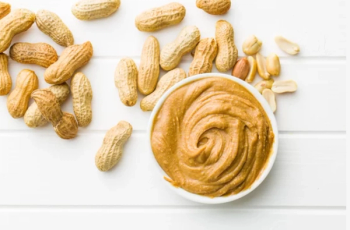
Stallergenes Greer announced that Palforzia is now available for children under 4 years old with a peanut allergy, which follows the extended indication approval in July 2024.

Chovatiya discussed his talk at the 2025 AAAAI/WAO Joint Congress.

Dupilumab improved R5–R20 and AX compared to placebo, possibly explaining improvements in disease control.

A study at AAAAI 2025 found that dupilumab led to a 73.5% reduction in IgE levels at 24 months.

A study at AAAAI 2025 found that monitoring transepidermal water loss during oral food challenges reduced anaphylaxis rates and epinephrine use in children.

A study suggests the prevalence of Legionella may explain why children with seasonal allergic rhinitis vs perennial allergic rhinitis have more severe symptoms.

Participants in a phase 3 OLE had a mean monthly attack rate of 0.08.

Mepolizumab led to greater symptom score improvements than omalizumab in severe CRSwNP, though both biologics showed significant nasal polyp reduction.

Sebetralstat has a PDUFA date of June 12, 2025, for treating HAE in patients 12 years and older.

A new study presented at AAAAI 2025 linked pediatric obesity to a greater risk of developing allergic rhinitis, with a 1.24x increased risk at 1 year.

Three subgroup analyses of the phase 3 NAVIGATOR study are set to be presented at the AAAAI/WAO Joint Congress.

Phase 3 ANCHOR-1/2 data support depemokimab as a twice-yearly treatment for CRSwNP, effectively reducing blood eosinophil counts over 52 weeks.

A real-world analysis found mepolizumab significantly improved symptoms in CRSwNP patients, reducing SNOT-22 scores, oral corticosteroid use, and surgery rates.

Ahead of AAAAI 2025, HCPLive spoke with Jaroenpuntaruk about varying hypersensitivity reactions in patients with atopic diseases on biologics.

Five years after peanut oral immunotherapy, children showed lower allergen-specific IgE and greater IgG4 levels than placebo, indicating sustained immune tolerance.

These phase 3 findings from the INTEGUMENT-PED clinical trial highlight the efficacy and safety of roflumilast cream 0.05% for pediatric patients with atopic dermatitis.

Phase 3 WAYPOINT trial shows tezepelumab significantly reduces nasal polyp severity, congestion, and surgery needed in severe chronic rhinosinusitis with nasal polyp.

A meta-analysis found oral immunotherapy improves health-related quality of life post-food allergy treatment, but benefits during treatment remain unclear.

A study analyzed hypersensitivity reactions to biologics for atopic diseases, highlighting reaction types, severity, and biologic discontinuation rates.