
A recap of 10 clinical trials in cardiovascular care to know from the American College of Cardiology 2025 Scientific Sessions.
A recap of 10 clinical trials in cardiovascular care to know from the American College of Cardiology 2025 Scientific Sessions.

Le examines the STRIDE, SOUL, and DapaTAVI trials presented at this year’s ACC Scientific Sessions.

Hosts discuss how recent advances in HFpEF have changed discussions surrounding how cardiologists should approach treatment sequencing.

At ACC.25, Boer highlights treatment gaps in the US for lipid control in a high-risk ASCVD population.

Ahmad Masri, MD, MS, discusses how new options change the historic approach to the treatment of newly diagnosed ATTR-CM.

Daniel Judge, MD, discusses data from a prespecified analysis of ATTRibute-CM examining the effects of acoramidis with and without concomitant tafamidis use.

Patients with PAH saw a 76% reduction in the composite of morbidity and mortality outcomes with sotatercept treatment.
Ahmad Masri, MD, MS, discusses data detailing the effects of aficamten in oHCM from the FOREST-HCM OLE study at ACC.25.

At ACC.25, Robert S. Rosenson, MD, discusses the efficacy and safety of solbinsiran, an ANGPTL3 inhibitor, in a population with mixed dyslipidemia.
Despite failing to achieve significance for its primary endpoint, investigators suggest the trial further demonstrates the potential of cell therapy in HFrEF.
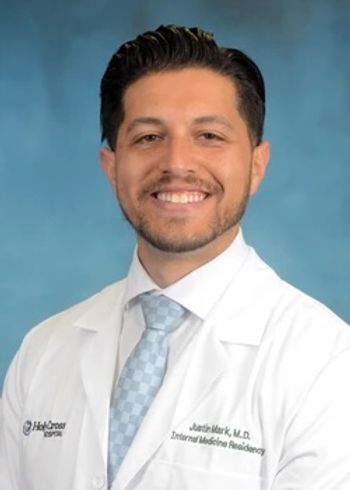
Justin Mark, MD, discusses an analysis of the FIGHT trial looking at racial and ethnic differences in heart failure outcomes.

Mantzoros explains the need for multidisciplinary MASLD care and how to balance lifestyle modifications with emerging medications.

Jose Lopez, MD, discusses findings and perspective into racial and ethnic differences in DbCM from the ARISE-HF trial.

Ruff discusses a new analysis of AZALEA-TIMI 71 at ACC.25, which shows that the novel Factor XI inhibitor significantly lowered bleeding in elderly patients.

Kwo describes different barriers to hepatitis A and B vaccination for people with liver disease and looks ahead to future innovations and novel strategies.

Steve Nissen, MD, discusses the phase 2 ALPACA trial and how it informs the potential of lepodisiran for lowering Lp(a).

Pulse oximeter bias was less negative in darkly pigmented skin, suggesting a difference in performance across skin pigment categories.
Phase 2 data at ACC.25 provide further insight into the effects of lepodisiran on serum Lp(a) and other biomarkers of risk.

Intravenous iron supplementation was safe but showed mixed improvement in cardiovascular outcomes in the FAIR-HF2 trial at ACC.25.


Dapagliflozin lowered the incidence of all-cause death or worsening of heart failure versus standard care in the DapaTAVI trial at ACC.25.

A secondary analysis of FINEARTS-HF found consistent efficacy of finerenone on heart failure events and cardiovascular death, irrespective of AF status.

Bhatt examines the potential reversal of the antiplatelet effects of ticagrelor with bentracimab in the REVERSE-IT trial.

FARES-II trial shows 4-factor PCC is safer, reduces bleeding, transfusions, and complications vs frozen plasma in cardiac surgery.

Four-year results from SOUL at ACC.25 were the first to test the cardiovascular benefits of an oral GLP-1 RA in high-risk type 2 diabetes.

Data from the REVERSE-IT trial provide vital insight into the efficacy and safety of bentracimab as an FDA decision looms on the horizon.
The WARRIOR trial provides insight into intensive medical therapy in women with INOCA, but investigators caution limitations hinder the applicability of results.

Data from STRIDE at ACC.25 demonstrate semaglutide could provide even greater benefits in type 2 diabetes than previously known.
A look at 7 phase 2 and phase 3 trials with significant implications from ACC 2025's late-breaking and featured clinical research sessions.
Kwo explains why hepatitis A and B vaccination is important for people with liver disease and reviews different vaccine options.