
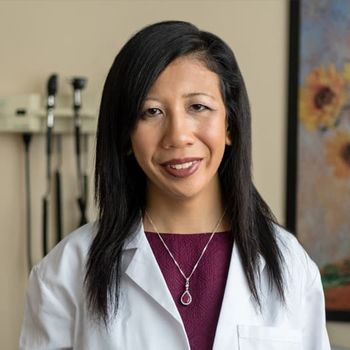
Adrienne Poon, MD, MPH, discussed early findings from a community health needs survey of AAPI populations.
Adrienne Poon, MD, MPH, discussed early findings from a community health needs survey of AAPI populations.
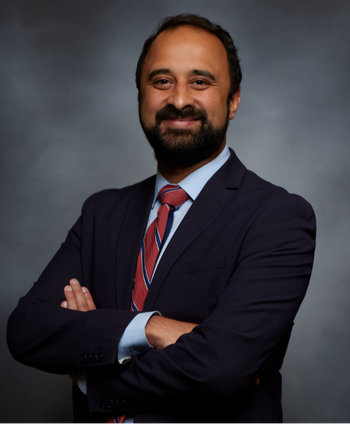
Bhatt discusses his expectations for the future of cardiology in 2025, including GLP-1-RAs and the push towards combination therapy.

Erickson encouraged clinicians to get involved in advocacy for health policy issues they are passionate about.
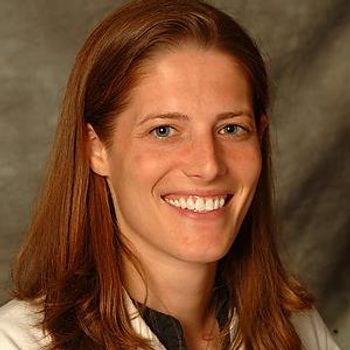
Herzig discussed special considerations for treating pain in people with OUD.

Gelles discussed potential concerns with AI’s use in reducing administrative burden but stressed its promise.

Payal Kohli, MD, explores how evolving tools and strategies in lipid management are reshaping preventive cardiology.
Erickson discussed how federal travel restrictions put critical patient care and workforce stability at risk.
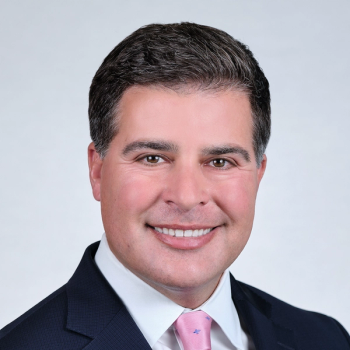
Ruff discusses his expectations for cardiology for the rest of 2025, including new research into GLP-1 receptor agonists.

Vega discussed recent efforts in the public health field and his own center that have helped to improve screening rates.
Laine gave an overview of the ACP Internal Medicine’s Friday Plenary session and how it reflects top-of-mind topics for IM clinicians.
Herzig outlined a talk she gave at the ACP Internal Medicine 2025 meeting reviewing the latest data in acute inpatient pain management.

Deepak Bhatt, MD, MPH, MBA, explores high-impact trials from ACC.25, including REVERSE-IT, Alpaca, ADVANCE-HTN, SOUL, STRIDE, and DapaTAVI.
Gelles discussed AI tools that are becoming a part of clinician’s armamentariums and the impact they are having on the field.
Hoang discussed the CARD initiative started at Wayne State University in Detroit that she presented at the ACP IM 2025 meeting.
Goenawan discussed a meta-analysis he presented at the ACP Internal Medicine 2025 meeting.

Winfrey discussed how noninvasive CRC screening tests can help meet gaps when patients face barriers to colonoscopy.
Erickson discussed key health policy issues the ACP is pushing back against during the organization’s Internal Medicine meeting.
Statistically significant improvements were seen in BAS, MFI, SF-36 subscores, SSS fatigue, disrupted sleep. PEM, and orthostatic intolerance.

Data from nearly half a dozen trials suggests steroidal MRAs may provide little benefit in kidney transplant patients.

Noor discussed the development of an AI model and app trained with a novel saturation strategy to help diagnose mpox.
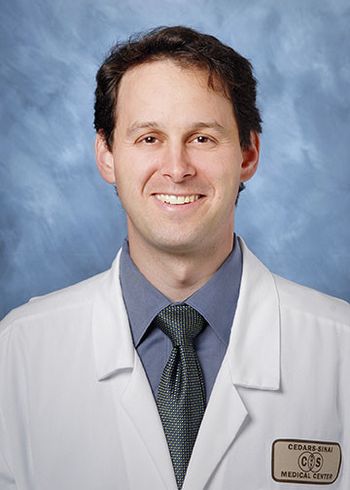
The study evaluated more than 450 patient visits and concluded AI decision support could improve adherence to guideline-adherent care recommendations.
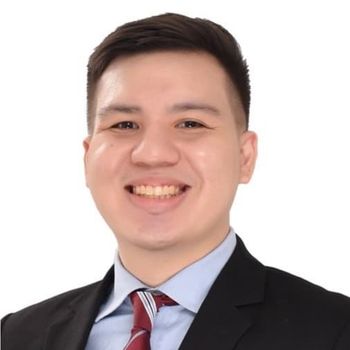
Lam discussed a retrospective cohort analysis he presented at the 2025 ACP IM meeting and its findings.
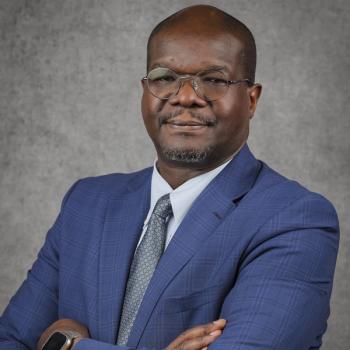
The Best Practice Advice is aimed at detailing benefits and harms of cannabis or cannabinoids in the management of chronic noncancer pain.
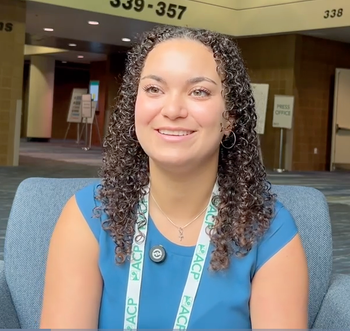
Louis discussed the ASKmeGOC study and an electronic tool to help facilitate patient preference documentation.
Patients hospitalized for STEMI achieved similar outcomes with rivaroxaban as warfarin after three months of follow-up in the RIVAWAR trial.
While the final treatment decision is with the physician, AI may have a role in assisting decision making in virtual urgent care.
Patients switching to tirzepatide had greater improvements in HBA1C and weight at week 40 in a phase 4 RCT.
In a new analysis at ACC.25, abelacimab reduced bleeding rates across the risk spectrum, with more benefits for those at higher bleeding risk.
Poon discussed a community health needs survey and how the “model minority” myth can impact care for Asian Americans.

Marc Bonaca, MD, MPH, examines the benefit of semaglutide on functional outcomes in PAD from the STRIDE trial at ACC.25.