

Fendrick describes the importance of follow-up colonoscopy after a positive result on a noninvasive test and factors influencing follow-up rates.
Fendrick describes the importance of follow-up colonoscopy after a positive result on a noninvasive test and factors influencing follow-up rates.

FibroX showed superior performance, interpretability, and potential cost savings relative to FIB-4, improving risk stratification and management in MASLD.

Pontecorvi describes the unique features of the EndoZip system and reviews findings from a study on its use for treating obesity-related comorbidities.

Compared with non-users, the cannabis use cohort showed significantly greater risks of acute pancreatitis flare pancreatic cancer, and all-cause mortality.

Feuerstadt explains recent advances in treating recurrent C diff and reviews new data on the safety and administration of fecal microbiota, live-jslm (Rebyota).

Long-term childhood outcomes were comparable in biologic-exposed and unexposed infants born to mothers with inflammatory bowel disease.
Shah explores the impact of hyperosmolarity on tear film post-cataract surgery, emphasizing the need for enhanced dry eye management strategies.
A new study highlights rapid relief and high satisfaction with PFHO for dry eye disease, showing significant symptom improvement within minutes.

In this interview, Christopher Bunick, MD, PhD, speaks on the elements of the RAD 2025 conference that he is most anticipating.

Trial data reveal phentolamine ophthalmic solution's potential to treat night vision disturbances post-keratorefractive surgery, addressing a critical unmet need.

Phentolamine ophthalmic solution significantly enhances outcomes post-dilation, rapidly returning visual symptoms to baseline levels.

Lifitegrast shows rapid and sustained relief for dry eye disease, with high satisfaction among providers and patients, according to recent findings.

Younger age and recurrent disease significantly increase the risk of pterygium progression, highlighting critical factors for ophthalmologists.
A study reveals Johnson & Johnson’s TECNIS Odyssey IOL offers excellent vision for presbyopia, with minimal dysphotopsia bothersomeness reported by patients.

BRIMOCHOL PF offers lasting near vision improvement for presbyopia, demonstrating robust efficacy and safety in a landmark Phase 3 study.

Long-term analysis confirms lifitegrast's safety for dry eye treatment, showing no new safety signals in nearly 800,000 patient treatment years.

Cyclosporine 0.09% significantly improves dry eye symptoms in patients inadequately treated with lower concentrations, enhancing quality of life.

Gene therapy could revolutionize retinal disease treatment, promising consistent dosing, fewer injections, and improved patient outcomes, as highlighted by expert Christina Y. Weng.
Innovative drug delivery platform shows significant vision improvement and IOP reduction in glaucoma patients, promising a new treatment paradigm.
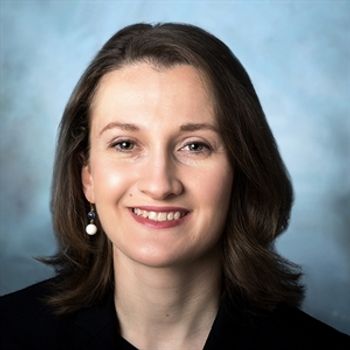
Katherine Talcott, MD, discuss the impact of intravitreal injections on intraocular pressure, emphasizing monitoring and patient safety in treatment.
In this interview, Chovatiya and Shahriari highlight notable elements of the upcoming Revolutionizing Atopic Dermatitis (RAD) Conference.
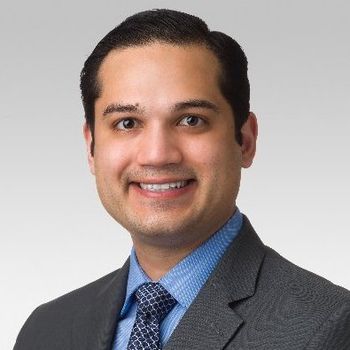
Revolutionizing Atopic Dermatitis 2025 Annual Meeting cochair Raj Chovatiya, MD, PhD, previews the upcoming meeting.

Mona Shahriari, MD, previews the upcoming Revolutionizing Atopic Dermatitis Annual Meeting being held in Nashville, TN from June 06-07.
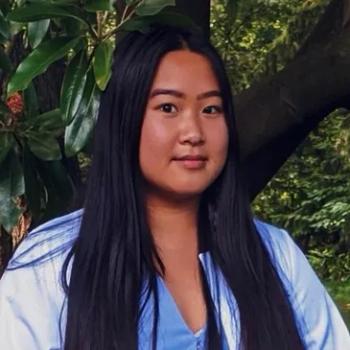
Mindy Hoang, MD, discussed Wayne State University’s program to help clinicians understand and address underserved patients’ potential social needs.

Counting down the most impactful news at major medical meetings, it’s the HCPLive Five! This episode focuses on 5 key internal medicine updates from the 2025 American College of Physicians (ACP) IM meeting.
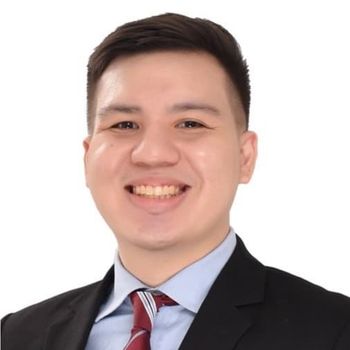
Justin Riley Lam, MD, discussed findings from a retrospective cohort analysis at the 2025 ACP Internal Medicine Meeting.
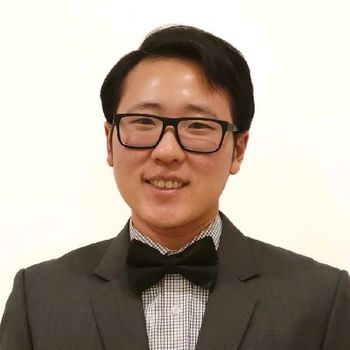
Angel Goenawan, MD, shared findings from a meta-analysis of surgical and nonsurgical clinical trials.

Nawsabah Noor, MBBS, discussed how her team developed novel AI training to reduce racial bias in diagnosing mpox lesions.
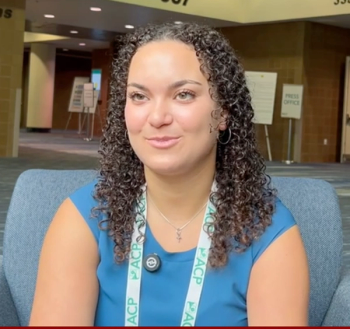
Valerie Louis outlined her ASKmeGOC study and the electronic tool her team developed to help preemptively record preferences.
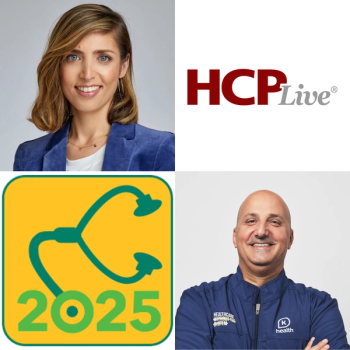
Zehavi Horowitz-Kugler, MD, and Ran Shaul discussed an AI model K Health developed and evaluated in a virtual urgent care clinic.