
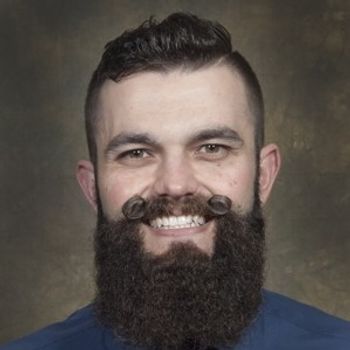
This interview with Steven Daveluy, MD, features a discussion of hidradenitis suppurativa, cutaneous lymphoma, and addressing racial disparities.
This interview with Steven Daveluy, MD, features a discussion of hidradenitis suppurativa, cutaneous lymphoma, and addressing racial disparities.
Check out these 7 late-breaking abstracts to watch at the upcoming SLEEP 2025 meeting.

During his New Wave Dermatology interview, Naveed Sami, MD, spoke about additional takeaways from his session on the cutaneous effects of immunotherapies.
In this interview at the New Wave Dermatology meeting, Naveed Sami, MD, highlights some of the notable takeaways from his talk on the impacts of immunotherapies.

This interview from the 2025 New Wave Dermatology Conference features DiRuggiero discussing challenging psoriasis cases and tips for healthcare providers.
This summary features a variety of abstracts to be presented at the RAD meeting in June 2025, highlighting new data in atopic dermatitis and the dermatology space in general.

This Q&A interview highlights reductions observed in the use of rilzabrutinib for asthma symptom relief in a recent phase 2 study.
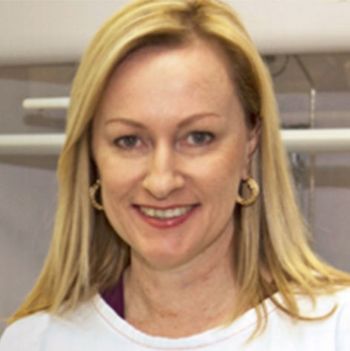
During her ATS interview, Lisa Wood, PhD, spoke about economic and geographic disparities and their connection to diet and related respiratory health outcomes.
This ATS interview features Lisa Wood, PhD, discussing recent findings related to childhood dietary intake and its connection to respiratory health.
Bose explains her research on vaping among millennial adults who may be at peak lung health, describing the diverse landscape of vaping devices and products.

View conference highlights from HCPLive’s coverage of the American Thoracic Society (ATS) International Conference 2025.
In this interview, nerandomilast’s safety profile in idiopathic pulmonary fibrosis (IPF) and progressive pulmonary fibrosis (PPF) is highlighted.

Attaway reviews data demonstrating the potential benefit of a subspecialty clinic for overcoming current diagnostic and treatment-related challenges for sarcopenia in COPD.
This interview highlights phase 3 trial data on nerandomilast’s use in idiopathic pulmonary fibrosis (IPF) and progressive pulmonary fibrosis (PPF).
Prevot describes her research exploring the relationship between OSA severity and abdominal obesity metrics as well as changes in both metrics following CPAP.

These data from ATS 2025 highlight patients’ real-world outcomes related to treatment of their chronic obstructive pulmonary disease (COPD) with dupilumab.
The analysis of pooled data from BOREAS and NOTUS highlight dupilumab’s sustained impact on lung function in patients with COPD and type 2 inflammation.

In this interview, Chalmers highlights the implications of his team’s subgroup analysis findings in the ASPEN trial, as well as unmet needs for non-cystic fibrosis bronchiectasis.
Findings from a post hoc analysis of the phase 3 DIRECTION study highlight tezepelumab’s consistent benefit on asthma exacerbations across trigger categories.
Trief and MD candidate Justin Cheong physically peeled the Haab’s striae from a patient’s eye, allowing for better adherence and maintenance of the DSEK graft.

At ATS 2025, these data highlight a potential connection between asthma development and prenatal exposure to microplastics and other forms of pollution.
Murphy discusses innovative surgical techniques for managing glaucoma and cataracts, emphasizing minimally invasive approaches and the future of ophthalmology.
This interview highlights the subgroup analysis findings of the ASPEN trial, specifically on brensocatib for non-cystic fibrosis bronchiectasis.
This special episode of Lungcast features Harold P. Wimmer, CEO of the ALA, and Francesca Polverino, MD, PhD, an ALA spokesperson.
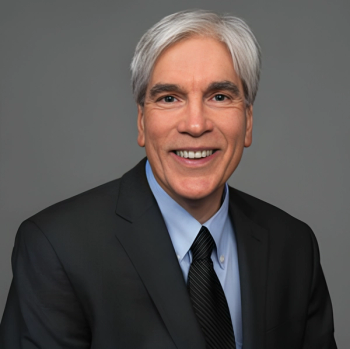
Gerard Criner, MD, reviews findings from a secondary analysis of the phase 3 MATINEE trial of mepolizumab and looks ahead to the potential significance of the drug, if approved.
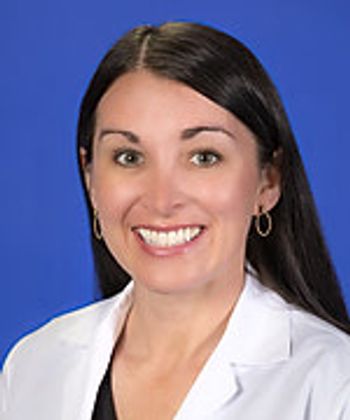
In her interview at ATS, Willen further described elements highlighted in her presentation on new treatments for sickle cell disease.
This interview at ATS 2025 features a discussion of a ‘Pediatric Year in Review’ presentation on new therapies for sickle cell disease.
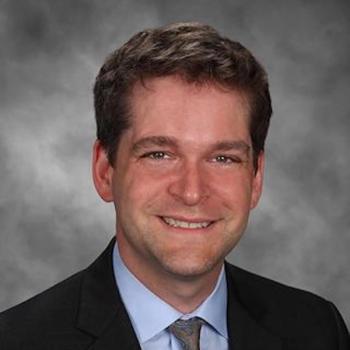
Breazzano presented a video of a surgery repositioning an Akreos AO60 lens, highlighting the complicated nature of the procedure and its planning.
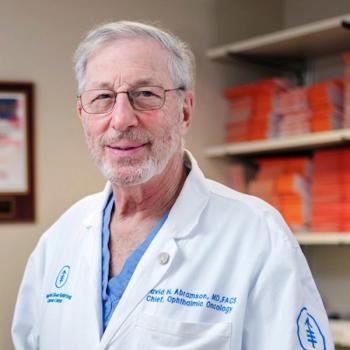
Abramson discusses the potential benefits and limitations of treatment methods for Coats’ disease and further discusses the genetic component of its pathology.
This interview highlights the long-term, late-breaking results of the A DUE trial’s 24-month open-label extension on macitentan and tadalafil for PAH.