

Chambliss also discussed other research she is working on looking to understand effects on children with asthma.
Chambliss also discussed other research she is working on looking to understand effects on children with asthma.

Andrew Alexis, MD, MPH, highlights his ‘What’s New’ talk at AAD 2025 on new practices for treating pigmentary disorders such as vitiligo.
This interview with Andrew Alexis, MD, MPH, features some of the most notable highlights from his AAD 2025 talks on therapeutic and diagnostic pearls for skin of color.

Pongdee also discussed the changing treatment landscape for indolent systemic mastocytosis and questions that will need to be answered in the field.
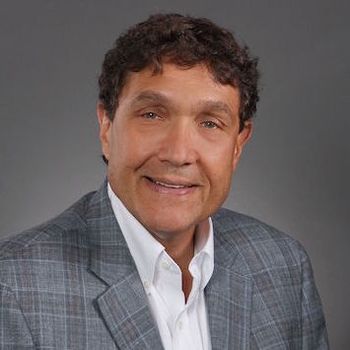
Bernstein also discussed other unmet needs in the field and how his center is working to address them.
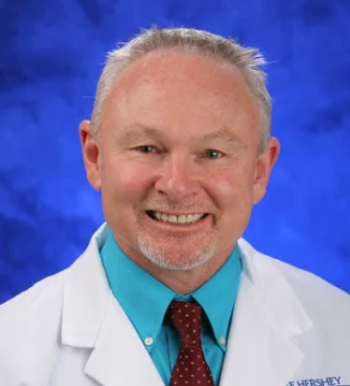
At AAAAI 2025, HCPLive spoke with Craig about recognizing and treating hereditary angioedemia.

In this interview with Christopher Bunick, MD, PhD, at AAD 2025, he discusses his update given in a presentation regarding acne and rosacea treatments.

Lipworth shared findings from 2 studies that he presented data from at the AAAAI/WAO Joint Congress.
This interview features a discussion with Christopher Bunick, MD, PhD, regarding recent controversies in acne and rosacea related to benzene and benzoyl peroxide.
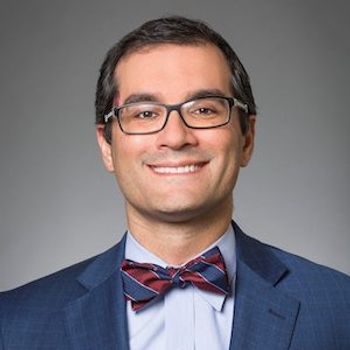
Mostaghimi highlights the major takeaways from his talk on alopecia areata therapies, the contents of which were presented at AAD 2025.
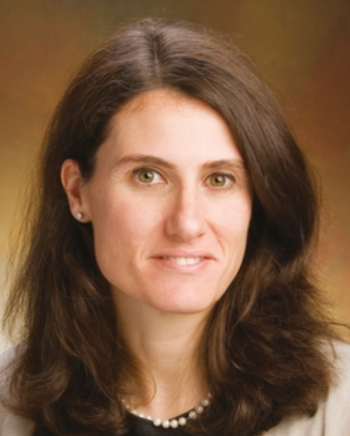
Cianferoni discusses how pollen food allergy syndrome contributes to eosinophilic esophagitis (EoE) and potential management strategies.
These data presented at AAD 2025 indicate sustained 2-year disease control in key hidradenitis suppurativa (HS) symptoms with bimekizumab-bkzx treatment.
At AAAAI 2025, Cianferoni described molecular mechanisms of pollen food allergy syndrome.

This AAD 2025 interview with Bhutani covers some of the takeaways from her presentation on use of JAK inhibitors for alopecia areata among pregnant or breastfeeding women.
In this interview at AAD 2025, Bhutani highlights several points of consideration for clinicians treating patients who are pregnant and suffering from alopecia areata.
This interview with Melinda Gooderham, MD, covers recent findings from the phase 3 ARRECTOR trial on roflumilast foam 0.3% in scalp and body psoriasis.

This interview at the Skin of Color Society (SOCS) Scientific Symposium features Elbuluk describing her plans as newly-elected president of SOCS.

An analysis of data from the DELTA program at AAD 2025 sheds light on the efficacy of delgocitinib for chronic hand eczema.

Crystal Aguh, MD, discusses a study from AAD 2025 examining HbA1c levels and outcomes in CCCA.

This interview with Chovatiya highlights his portion of the ‘Skin of Color’ talk at the American Academy of Dermatology conference.

Data at AAD 2025 and an announcement from Amgen provide insight into the potential role of rocatinlimab in atopic dermatitis.
This interview with Snyder features a discussion on recent findings on remibrutinib among patients with chronic spontaneous urticaria, also known as CSU.

New data from AAD 2025 and topline results from the ICONIC program underline the potential of icotrokinra in moderate to severe plaque psoriasis.
Robert Bissonnette, MD, discusses data from the ICONIC-LEAD trial and the potential role of icotrokinra in plaque psoriasis.

In this interview at AAD 2025, Craiglow speaks on her team’s late-breaking findings on baricitinib among adolescents with severe alopecia areata.

LIBERTY-BP ADEPT provides further insight into the potential of dupilumab in bullous pemphigoid ahead of the June 2025 PDUFA date.

Data from AAD 2025 examine the effect of GLP-1 RAs on HS among patients with overweight or obesity.

Phase 3 data from ruxolitinib cream 1.5% presented at AAD 2025 demonstrate the potential of the topical agent in prurigo nodularis.

Stein Gold highlights her team's findings on tapinarof cream (Vtama) 1% from the 48-week ADORING 3 extension for those aged 2 to 17 with atopic dermatitis.

David Rosmarin, MD, discusses results from ADORING 3 presented at AAD 2025.