
Dara explains the importance of distinguishing DI-ALH from classic AIH, how their management differs, and where research in this field is heading.
Dara explains the importance of distinguishing DI-ALH from classic AIH, how their management differs, and where research in this field is heading.
Tabrizian discusses neoadjuvant immunotherapy for HCC, describing its success in the adjuvant setting but uncertainties about its use before transplant.
Dara describes similarities between drug-induced autoimmune-like hepatitis and idiopathic autoimmune hepatitis, as well as how to differentiate them.
Martinez explains the benefit of IBAT inhibitors for improving pruritus in children with Alagille syndrome and PFIC.
Goel describes the clinical impact of having 2 newly approved second-line PBC therapies and looks ahead to what’s next and where more research is needed.
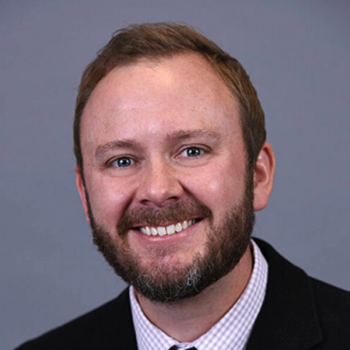
Lammert describes the lack of developments in autoimmune hepatitis care over the past several decades and points to what might be next in disease management.

Positive topline results from PORTOLA show treatment with zetomipzomib resulted in steroid-sparing biochemical remissions in AIH.

Mitchell reviews FDA-approved drugs for reducing alcohol use, which ones can be used in patients with liver disease, and other therapies on the horizon.

Khandelwal discusses advancements in intraocular lens (IOL) categories and the patient's role in choosing more innovative options.

Schilsky describes lingering challenges and unmet needs in Wilson disease and highlights recent innovations in monitoring and diagnosis.
Khandelwal shares insight and key takeaways for the optimization of intraocular lens selection in practice.
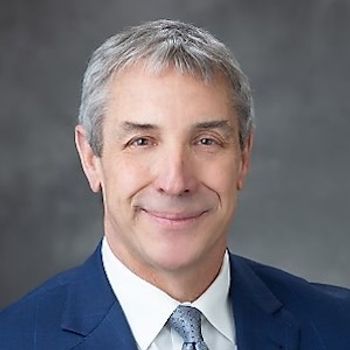
Repka describes the complications of the US healthcare system and how to advance interactions in advocacy efforts.
Goel explains the importance of second-line therapies and describes the role PPARs play in PBC treatment, including 2 newly approved therapies.
Repka dives into the role of advocacy in shaping ophthalmologic policies and ensuring equitable patient care.
Lammert describes the clinical impact of having 2 new second-line PBC therapies, challenges to their uptake, and areas where more research is needed.
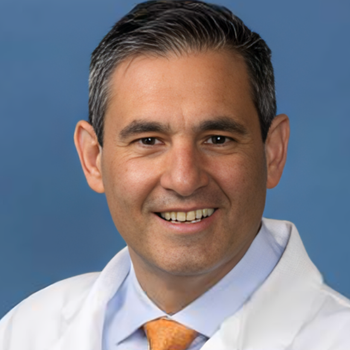
Saab describes historical and ongoing unmet needs in Wilson disease, highlighting recent progress but also the need for a streamlined diagnosis.

Bhatt previews 3 late-breaking clinical trials being presented at this year's American College of Cardiology Annual Scientific Sessions.
Counting down the most impactful news at major medical meetings, it’s the HCPLive Five! This episode focuses on 5 key allergy updates from the 2025 American Academy of Allergy, Asthma, and Immunology (AAAAI) annual meeting.
Lammert discusses the shifting landscape of treatment response metrics and the latest advancements in second-line therapy for PBC.
Martinez explains the pathophysiology and clinical presentation of pruritus in children with cholestatic liver disease as well as treatment options.
Counting down the most impactful news at major medical meetings, it’s the HCPLive Five! This episode highlights 5 key dermatology updates from the 2025 American Academy of Dermatology Annual Meeting in Orlando.
Schilsky provides an overview of Wilson disease and describes optimal management strategies, highlighting the importance of early detection and intervention.
Mitchell describes the “paradox” hepatologists face in the management of ALD and the importance of early intervention for improving outcomes.
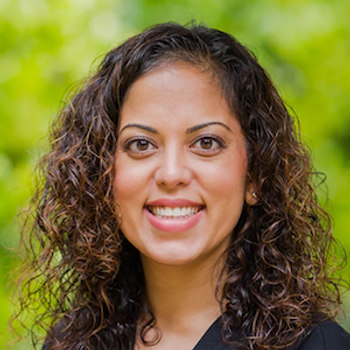
These data highlight the potential benefit of continuous treatment with subcutaneous spesolimab for generalized pustular psoriasis (GPP).
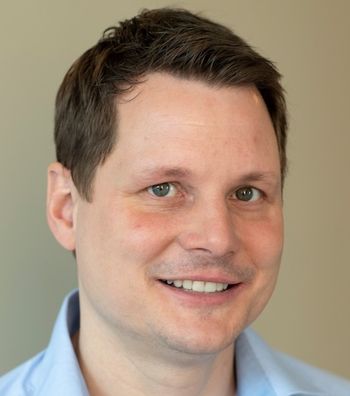
New data presented at AAD 2025 point to impacts on multiple disease nodes as needed to achieve high levels of efficacy.
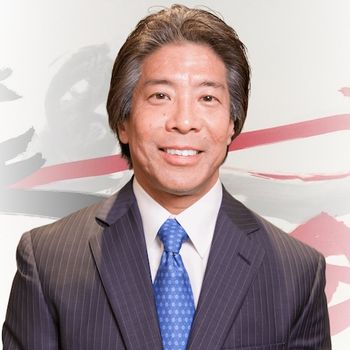
This interview with Yamauchi highlights phase 3b findings on tildrakizumab among patients with moderate-to-severe nail psoriasis.
Hoyte discussed findings from a post hoc analysis of the phase 3 NAVIGATOR study.
These data, presented at AAD 2025, highlight the efficacy of upadacitinib in clearing skin among patients with atopic dermatitis compared to those given dupilumab.
Counting down the most impactful news at major medical meetings, it’s the HCPLive Five! This episode focuses on 5 key dermatology updates from the 2025 American Academy of Allergy, Asthma, and Immunology (AAAAI)/World Allergy Organization (WAO) Joint Congress.

Carolyn Goh, MD, spoke in this AAD 2025 interview about her talk on guidance in addressing patients with hair disorders.