

A systematic review and meta-analysis of more than 120 randomized trials offers new insight into the effects of weight regain on cardiometabolic risk up to 5 years after the cessation of a behavioral management program.
A systematic review and meta-analysis of more than 120 randomized trials offers new insight into the effects of weight regain on cardiometabolic risk up to 5 years after the cessation of a behavioral management program.

Investigators developed and validated a tool for daily assessment of asthma control that can be utilized in clinical trials as an endpoint.

Patients with rheumatoid arthritis have a greater risk of dementia, but do you know what influence different treatments for rheumatoid arthritis have on this risk? Test your knowledge with this quiz.

The expert consensus statement provides updated recommendations on evidence-based best practices for transcatheter LAAC, with a focus on endovascular devices.

As the US tries to move on from the pandemic, patients with long COVID-19 are fighting to regain normalcy while clinicians improve care plans and researchers search for answers.

The ANTICOVID clinical trial finds high-dose prophylactic anticoagulation reduces risk of de novo thrombosis in COVID-19 pneumonia.

The treatment is a first-in-class peptide derived from mTB Chaperonin 60.1 that is often involved in resetting the immune system. The treatment is being evaluated in patients with eosinophilic esophagitis and allergen sensitivity.

A cost-effectiveness analysis of the EAST – AFNET 4 trial indicated the health benefits of early rhythm control come at reasonable additional costs compared to usual care.
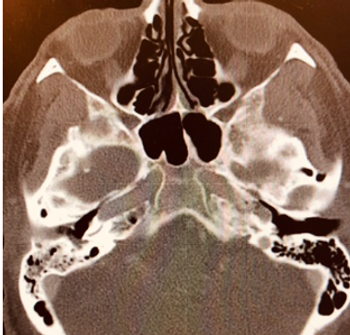
Our latest endocrine case report from Brady Pregerson, MD, features a patient in their mid-70s with a history of diabetes mellitus and end-stage kidney disease presenting with 6 days of gradually worsening right ear pain. Can you determine the correct diagnosis?
While nipocalimab is under consideration as the first marketed drug for HDFN, clinicians consider the importance of awareness and dedicated research into the rare disease.

A research letter highlighted recent findings that iREACH educational intervention training may be helpful in preventing peanut allergies.

The latest cardiology case report from Brady Pregerson, MD, features a woman in her 80s presenting with complaints of atrial fibrillation for multiple days. Can you determine the correct diagnosis?

The 2 groups had similar data for any endoscopic recurrence and severe endoscopic recurrence at the first endoscopic evaluation.

New research on Medicare beneficiary data suggests that older adults who face food insecurity concerns may be at greater risk of more rapid declines in cognitive health.

The current pox virus outbreak has become closely synonymous with fewer lesions than past mpox—but dermatology guidance is needed all the same.

Various psychiatric symptoms, including more severe negative symptoms, lower cognition status, and lower excited symptoms were significantly linked to drug-induced parkinsonism induction.

High blood pressure and low fitness levels were each associated with an increased risk of CVD mortality independently of established and emerging risk factors in new findings.

New data on topical lovastatin cream 2% demonstrated similar efficacy results to the combination of lovastatin and cholesterol in treating the skin disorder DSAP.

The second pivotal Phase 3 trial reported NOV03 consistently met primary endpoints for signs and symptoms of DED associated with meibomian gland dysfunction.

Phase 2/3 data show significant improvement in lymphoproliferation as measured by the reduction in lymph node size and increase in naïve B cells in patients with activated phosphoinositide 3-kinase delta syndrome.

The results of a comprehensive meta-analysis indicate a high prevalence of comorbidities among asthma patients, emphasizing the importance of effective treatment strategies.

The randomized AWARE trial indicates patients with paroxysmal AF did not have improved freedom from recurrent atrial arrhythmia with a double ablation lesion set compared with a single procedure.

Acute severe ulcerative colitis and a greater number of biologics precoloectomy were linked to an increased probability of acute pouchitis, while older age at colectomy was associated with a decreased probability of acute pouchitis.

New data highlighted racial and ethnic differences between patients with Merkel cell carcinoma, indicating that rates for survival were roughly similar but other distinctions remained.

On March 24, the US Food and Drug Administration announced a proposed rule changes aimed at promoting use of safe and suitable salt substitutes with the intent of improving nutrition and reducing chronic illness.

TCAs caused more examples of severe dry mouth, both objectively and subjectively, while SSRIs were associated with less severe symptoms.

A phase 2 trial comparing once weekly basal insulin Fc against once daily insulin degludec, results of the study will help provide the basis for forthcoming phase 3 research examining the agent.

New data from a systematic literature review highlighted the connection with tumor necrosis factor-α inhibitors and acne, indicating the need for further study.

No significant budget increase was observed in patients with non-radiographic axial spondyloarthritis (nr-axSpA) receiving secukinumab.

Industry payments to cardiologists remained highly prevalent in each year of study, but the research showed significant declines in the total value of payments and payment per cardiologist.