

In older adults with atrial fibrillation, rivaroxaban was associated with a significantly increased risk of major ischemic or hemorrhagic events compared to apixaban.
In older adults with atrial fibrillation, rivaroxaban was associated with a significantly increased risk of major ischemic or hemorrhagic events compared to apixaban.

A systematic review of several skin diseases including vitiligo and acne supported the need to evaluate vitamin E status in affected patients.

Burnout problems persisted prior to the COVID-19 pandemic, but have been made worse since the beginning of the pandemic.

Treatment with the antibody also resulted in infections and drug reactions, prompting a call for larger and longer studies from investigators.

The FDA moved to shorten the time between the second and third vaccine dose from 6 months to 5 months for recipients of Pfizer-BioNTech.

GI symptoms manifest in children with COVID-19 more than they do in adult patients.

Accurate results can be obtained rapidly with this intuitive whole blood hemostasis system, allowing for efficient workflow at the point of care.

Investigators hypothesized that red cell distribution width to hemoglobin ratio could help in stratifying the risk of the skin condition in patients form the Singapore General Hospital.

A positive CDI test was more common in patients with suffered an aneurysmal subarachnoid hemorrhage than it was in patients with intracerebral hemorrhage or ischemic stroke.

Data show Asian, Black, and Hispanic patients and those with lower income were less likely to receive treatment with GLP-1 RAs.

Participants with at least 3 psychiatric disorders more likely had a family history of psychiatric disorders.

Björn Mellgård gets technical as he describes the function of TAK-755, the recombinant ADAMTS13 enzyme, in sickle cell disease and cTTP.
A pediatrician discusses the stakes at hand for children whose parents are considering available vaccines now.
Manesh Patel, MD, and his colleague Rymer delve into the most impactful and interesting trials presented at the Fall cardiovascular meetings.

Dr. Silverberg speaks of the desire for more inclusive studies and educational resources on skin of color by patients and physicians alike.

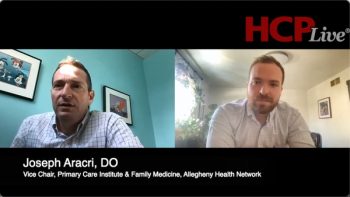
An Allegheny Health expert gives perspective on how the proven regimen plays a role amid the Omicron outbreaks, and increased vaccination and testing.

Data show In 16 of 17 ophthalmic condition categories, North American Native individuals had significantly different claim rates from non-Hispanic White individuals.

Greg Marchand has achieved world records in the field of OBGYN and minimally invasive surgery. In an interview, he discusses the progress of the outpatient hysteroscopy.

Complex ADHD along with other comorbid psychiatric conditions increases the risk of mortality for patients.
Dr. Al Rizzo highlights the best insights and opinions from featured guests this last year.

The decision was made after favorable phase 3 trial results of the biologic.
For more vulnerable populations such as the elderly, high dose flu vaccines are recommended to generate the most beneficial immune response.

Dr. Meadows noted that patients with allergies have historically had the option of being treated through telemedicine, which has been more widely adopted during the COVID-19 pandemic.
A look into how Allegheny Health Network prioritizes the valuable therapy amid rising cases.

Dr. Shapiro discusses the implantable VC-02 device success in producing C-peptide in patients with type 1 diabetes and what is coming next.

Investigators developed the first module to confront implicit bias toward patients with sickle cell disease on an individual or personal level.
A high-potential drug for type 1 diabetes may not have received regulation this year, but it sparked vital conversation among experts.

An outpatient care coordinator discusses the systemic and psychiatric symptoms of COVID-19 long haulers, as well as differences in outcomes based on vaccination.
Allergists discuss the differing opinions of allergies and optimizing patient care during the COVID-19 pandemic.