

AbbVie's submitted NDA for elagolix for the treatment of heavy menstrual bleeding associated with uterine fibroids in women is supported by the results of 2 phase 3 studies.
AbbVie's submitted NDA for elagolix for the treatment of heavy menstrual bleeding associated with uterine fibroids in women is supported by the results of 2 phase 3 studies.

Perioperative management of patients with atrial fibrillation receiving a direct oral anticoagulant associated with low rates of major bleeding and arterial thromboembolism in the PAUSE study.

What are the symptoms and patient complaints that comprise the common sleep disorder?

Analysis from the CARDIA Lung study found patients with worsened FEV1 are at greater risk for emphysema, regardless of their smoker status.

New model predicts patients at risk of developing Alzheimer disease up to 2 years in the future.

Obesity, smoking, and other trends are slowing the rate of decline, and even causing increases, of cardiovascular disease in many high-income countries across the world.

An overview of exciting, upcoming therapies that may be of interest for the treatment of Alzheimer disease.
Experts discuss the status of clinical trials that explore various monoclonal antibody therapies and BACE inhibitors for the treatment of Alzheimer disease.
The therapy, which carries a Boxed Warning for liver injury risks, is indicated for patients who do not benefit from surgery.

Investigators find improved liver function in hepatocellular carcinoma patients tied to aspirin use in a new retrospective review.

Proof-of-concept study follows patients who receive a HCV-positive donor heart.

Deepak Bhatt, MD, discusses the results of the COMPASS trial and how they have impacted clinical practice.

Steven Edelman, MD, clinical professor of medicine at UC San Diego, discusses glucose control among pediatric patients after a trial into the efficacy of inhaled insulin opened enrollment earlier this week.
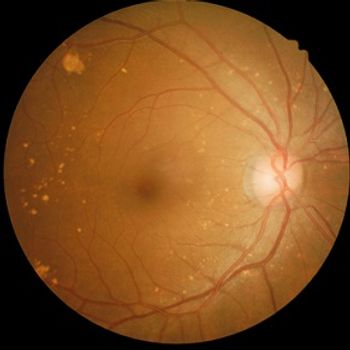
A study presented at ASRS 2019 found that the ranibizumab biosimilar (razumab) was noninferior to ranibizumab after 1 month of treatment.

A conventional mass-univariate fMRI analysis helps determine patients that exhibit greater pretreatment neural activity.

New study links serum-based liver function markers with known Alzheimer disease biomarkers.

A new cohort shows FLG loss-of-function variations are often different among AD pediatric patients with different ancestries.
FDA announces 137 new drug approvals in 2018 represents an 11% increase over 2017.

Sunovion seeking FDA approval for dateline after successful clinical trials treating binge eating disorder.

A cohort study analysis shows clozapine is effective in treating schizophrenia, despite adverse effects.

The rationale for investigating monoclonal antibodies and BACE inhibitors for the treatment of patients with Alzheimer disease.

Just 2 weeks of therapy could help attenuated autonomic function for geriatric adults.

Elizabeth Mack, MD, MS, of MUSC joins MD Mag for a discussion on parents, trauma, vaccinations, and more in pediatric care.

A new international cohort shows hospitals with a greater annual volume of PE patients often report better patient outcomes.

Investigators analyze impact of needle and syringe, hepatitis C elimination program in the country of Georgia.

The International Congress on the Future of Neurology will take place this Fall in New York City, convening experts in neurology to discuss the latest data and best practices to better inform clinical decision-making.

New study identifies average cost and hospital length increase for hospital-acquired C. difficile.
Drs. Alireza Atri and Ronald C. Petersen remark on the important roles a community neurologist, as well as other members of a patient’s health care team, can play in the management of Alzheimer disease.

The fourth version of the Cleveland Clinic’s Alzheimer pipeline includes 156 clinical trials and 132 agents currently in all 3 phases of clinical trials in the US.

New study breaks down initial antipsychotic prescriptions among young, ADHD patients.