

The fourth version of the Cleveland Clinic’s Alzheimer pipeline includes 156 clinical trials and 132 agents currently in all 3 phases of clinical trials in the US.
The fourth version of the Cleveland Clinic’s Alzheimer pipeline includes 156 clinical trials and 132 agents currently in all 3 phases of clinical trials in the US.

New study breaks down initial antipsychotic prescriptions among young, ADHD patients.

Technology has grown exponentially in the same period of time when healthcare has stayed steady in practice. Soon, the pair will expand rapidly, together.
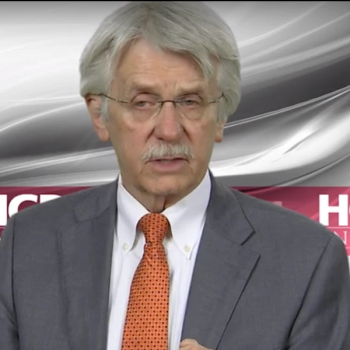
The role of clinical trials and the importance of counseling patients on trial enrollment and lifestyle interventions in the management of Alzheimer disease.

A recent study published in the journal of the European Journal of Endocrinology found significant benefits of vitamin D supplementation on the development and progression of diabetes.

Investigators examining more than 1000 university students found that those using a smartphone more than 5 hours per day had a 43% increased risk of obesity.

What resources shaped the most recent #DocTalk Tweet Chat on finding solutions in the physician burnout epidemic?
The prescription device can monitor and share reports on patient's sleep breathing patterns, leading to accurate symptom diagnoses.

Both motor and non-motor symptoms improve using ear stimulation can help manage Parkinson symptoms.

New research shows esketamine nasal spray could help treat patients who do not respond to antidepressants.

Investigators from Brigham and Women's Hospital found no difference in mortality rate among procedures, even those that coincide with the start of resident training.
With approval, Baqsimi, which was approved for adults and children as young as 4, becomes the first approved treatment of hypoglycemia that can be administered without an injection.

Expert clinicians highlight current unmet needs surrounding the treatment of Alzheimer disease.

Older patients could benefit from skipping traditional bedrest in favor of an exercise program when hospitalized with an acute illness.

In a recent study, investigators from Johns Hopkins found that risks of peripheral artery disease remains elevated for 30 years after smoking cessation.

New research finds association common sleep disorder present in 14% of suicidal patients with major depressive disorder studied.
A secondary analysis of a 10,000-patient study has linked lower levels of serum albumin to apnea risk in hospitalized infants.

Guidelines include combination of vaccines, screenings and case management to prevent hepatitis B from infecting infants.

Results of the SHINE trial show no significant difference between standard and intensive treatment of hyperglycemia on functional outcomes following acute ischemic stroke.
Burnout non-profit founder Janae Sharp will lead a chat on what's working in addressing physician burnout—and what's still lacking.

Intec Pharma announces clinical trial failure after finding new drug did not have a market difference treating PD from existing medications.

New research shows keeping a diary while in the ICU does not prevent PTSD symptoms from occurring.

A recent study has found that the cost and accessibility of PCSK9 inhibitors has created problems for patients seeking an effective treatment for their hypercholesterolemia.
Several new generics available to treat neuropathic pain linked to diabetic peripheral neuropathy, fibromyalgia partial onset seizures, and other conditions.
Moving forward following failed studies in Alzheimer disease and improving how the condition is managed in the future.

Investigators from the University of Duke School of Medicine compared results of the PROSPER Study and found results supporting the use of DOACs over warfarin in older patients following ischemic stroke.

Standardized mortality ratio increased by nearly a full percentage among patients previously treated with TB.

New method in reporting P values adjusts for multiplicity to more accurately reflect meaningful statistics.
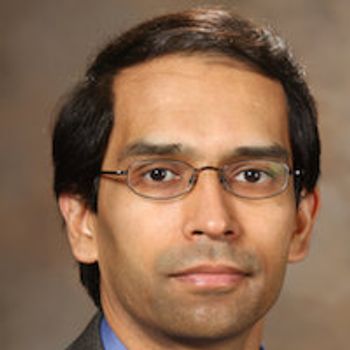
From vaping to air pollution, Deepak Bhatt, MD, shares his thoughts on the greatest threats to cardiovascular health.
A recent study of more than 12 million people from 10 countries found that the risk of heart failure associated with diabetes was greater in women than in men.