

A recent study of 50 inactive adults found that different modalities of exercise can have varying effects on pericardial and epicardial adipose tissue mass.
A recent study of 50 inactive adults found that different modalities of exercise can have varying effects on pericardial and epicardial adipose tissue mass.

Over time, clinicians have come to understand the most optimal use of the limited technological resources they have.

A study presented at EAN 2019 found that statin use was associated with a 22% reduction in all-cause death among patients with dementia.

A recent study found that 65% of adult users reported using cannabis for pain relief and 88% of those taking opioid analgesics reported reducing or discontinuing use of medications.

A recent study of more than 50,000 found that antidepressant use could reduce a third of deaths among diabetic patients with depression.
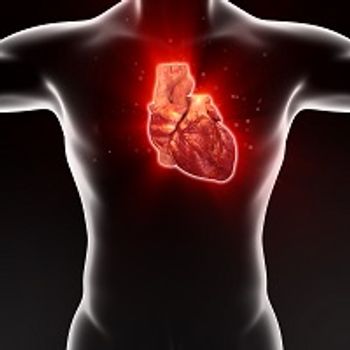
A recent study from Penn Medicine found that just 5% of patients with a mutation of the TTN gene have dilated cardiomyopathy.

An assessment of programs designed to increase patient physical activity found additional benefits for patients' long-term health outcomes.

Starting July 17, the team at MD Mag will be hosting an hour-long conversation on the site’s host Twitter account with a guest expert from the field of healthcare.
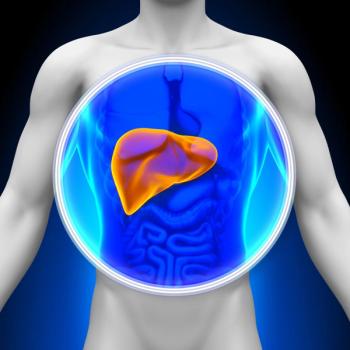
Investigators found that weight loss interventions were significantly associated with improvements in biomarkers, including alanine aminotransferase.

How the institution has become involved in regional health education efforts, and national efforts to establish proper care protocol.

A recent study of 775 found that low vitamin D levels at birth were associated with an increased risk of elevated systolic blood pressure in childhood and adolescence.

What is the role of a primary care physician in treating later-onset multiple sclerosis?
Why limited educational resources and a diverse population has made the region an area burdened by heart disease.

The Gilead subsidiary will provide the authorized generic of sofosbuvir/velpatasvir for the state's at-risk patient population over 5 years.

There is currently no metric depicting the scope of health equity in the US, as common healthcare status metrics—morbidity and mortality—may not equate to a perfect representation of general population health.

Recent study finds that positron emission tomography myocardial perfusion imaging can help identify diabetic patients at increased risk of heart attack.

After examining a cohort of 14,599 people, investigators found that meeting minimum physical activity guidelines could prevent 46% of deaths at population level.

A recent study found that initiation of dialysis was associated with a decline in functional status and a rise in caregiver burden.

The burdensome, inflammatory chronic condition is highlighted by difficult diagnoses and screening options. How is research advancing to improve care?

The CD38 monoclonal antibody has been approved in combination with lenalidomide and dexamethasone to treat patients ineligible for autologous stem cell transplant.
FDA approval of eculizumab (Soliris) marks the first approval for the treatment of NMOSD.
Last year, the FDA approved the drug as a novel therapy for the treatment of thrombocytopenia in patients with chronic liver disease who are scheduled for medical or dental procedure.
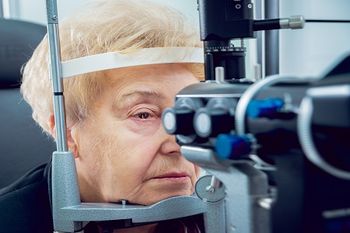
An analysis of more than 650 eyes find that optical coherence tomography central subfield thickness accounts for only a small proportion of total variation in changes in visual acuity.

A recent analysis of 46 trials found that the total cholesterol and LDL-C lowering effects of soy are consistent over time and back the FDA's 1999 health claim.

A recent study examined the relationship between different types of infection and incidence of stroke.
After showing the ability to regain patients' senses of smell and taste in a pair of phase 3 trials, the biologic becomes the first indicated for CRSwNP.
Eli Lilly Co. and Boehringer Ingelheim Pharmaceuticals Inc. announced that empagliflozin (Jardiance) has received a Fast Track designation from the FDA.

The NMDA receptor, in combination with rehabilitation, may serve as a powerful agent for reducing relapse rates.

A recent study found that every year of education was equivalent to a 2.5% reduction in risk of heart disease.

A recent study found that an additional 2 hours per day of TV viewing time is linked to a 50% increase in a person's risk of cardiovascular events and death.