

Less than half of US adults with either HBV or HCV infection are aware of their condition, and even among those aware, few receive appropriate treatment.
Less than half of US adults with either HBV or HCV infection are aware of their condition, and even among those aware, few receive appropriate treatment.

Kaiser Permanente Northern California’s study shows that the pertussis vaccine weakens as time passes after a patient's most recent vaccination.

Up to 77% of the increased CVD risk associated with preeclampsia and gestational hypertension is associated with conventional risk factors like BMI and blood pressure.

Experimental drug lemborexant underwent several phase 3 studies presented at the annual SLEEP 2019 meeting.

A survey of nurses at an academic medical center found that 49% averaged less than 7 hours of sleep per night, compared to the national figure of 28%.

The American College of Physicians (ACP) released a paper detailing their methods for creating clinical guidelines and guidance statements.

Contrary to earlier research, investigators found that medical cannabis laws do not reduce deaths caused by opioid overdoses.

Patients who self-referred themselves to a hospital for suicidal and/or self-harming actions did not improve more than patients who received standard treatment apart from hospitalization.

The IB-Stim device uses electrical pulses to stimulate cranial nerves and reduce pain associated with irritable bowel syndrome.
Children exposed in utero to valproate were most affected, but exposure to 3 other monotherapies were also associated with behavioral issues.

A new study debunks preceding fears that direct-acting antivirals increase the likelihood of adverse events for patients with the hepatitis C virus.
The estrogen-free pill allows for a 24-hour missed pill window while maintaining efficacy in preventing pregnancy.

Investigators found that expansion states had a median of 4.3 fewer deaths per 100,000 residents than nonexpansion states.

A new study shows that loss of phosphodiesterase, not just dopamine, indicates a worsening of motor symptoms in patients with Parkinson disease.

Patients who received the implant in addition to the surgery showed more positive results than the control group in a randomized, single-masked study.
Amarin announced the FDA had granted their sNDA for icosapent ethyl to reduce residual CV risk in patients with statin-managed LDL-C cholesterol.

The nasal spray was shown to reduce relapse in patients who achieved remission or stability after 16 weeks of treatment plus antidepressant.
A recent study found that dietary supplements for weight loss, energy, and muscle building were associated with a 3 times greater risk of severe medical events than vitamins.
The approval is based on the findings of a 106-adult patient trial which assessed mean weekly headache episodes.
The new occluder, which can repair both small and large cardiovascular defects, received premarket approval.

A new study found that elements such as birth order, low parental education, or low birthweight could increase suicide risk throughout a person’s lifespan.

Analyses of more than 2 million patients found that preterm and early births were associated with an increased risk of ischemic heart disease.
A recent study examines the association between new-onset atrial fibrillation and aortic valve replacements and transcatheter aortic valve implantations.
FDA has approved an sNDA for caftolozane/tezobactam for treatment of nosocomial pneumonia.
A study of more than 74,000 in China from 2006 to 2015 found that cardiovascular health scores are associated with subsequent risk of CVD events.

A recent study has found that consumption of coffee may not be as bad as previous studies have portrayed.
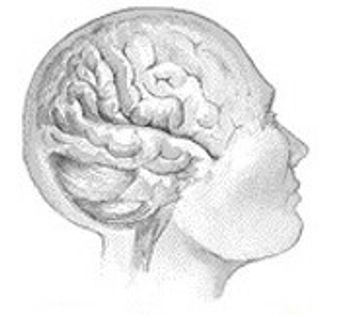
A new meta-analysis determined DBS is equally useful for patients with Parkinson’s who have related mutations.

Poulton led a meta-analysis of past methylphenidate dosing to encourage greater investigation in the future.

New findings better evidence the link between long-term COPD exacerbations and poor patient sleep quality. How well-understood is the association between sleep and pulmonary conditions?
SurgicalAR will allow surgeons to see beyond the limits of human sight during invasive procedures.