

A recent study from the Mayo Clinic found that tramadol carries a risk of long-term use similar to that of oxycodone and hydrocodone.
A recent study from the Mayo Clinic found that tramadol carries a risk of long-term use similar to that of oxycodone and hydrocodone.

In the LIBERTY 1 study, daily relugolix combination therapy led to a reduction in menstrual blood loss of 84.3% and improvements in pain and quality of life.

Close to half of observed patients had severe asthma and uncontrolled even with high doses of ICS or LABA. Among them, more than half had the eosinophilic inflammatory phenotype.

Assaults have become common in emergency departments. Organizers and individuals are calling on caregivers and administrators to collaborate on real solutions.

Using education, EHR alerts, and increased clinic capacity, investigators increased HCV screening of baby boomers from 10.1% to 34.6%.

Machine Learning algorithm analyzes 85 individual variables to determine a person's risk of having a heart attack or death with more than 90% accuracy.

Aflibercept (Eylea) is an anti-VEGF treatment administered as an intravitreal injection.
Zebra Medical Vision received clearance for HealthPNX, an AI-based chest X-ray triage product.
The FDA has expanded the indication for incobotulinumtoxinA (Xeomin) to include treating blepharospasm (involuntary blinking) in adults.
The KardiaMobile 6L device is the first FDA-cleared 6-lead electrocardiogram (ECG) device for personal use.

Investigators found that 700 women suffer pregnancy-related deaths every year and 3 of every 5 pregnancy-related deaths were preventable.

Short-course, "post-exposure" direct-acting antivirals enabled successful transplantation of HCV-infected hearts and lungs to uninfected recipients.

Filters that break up the exhaust from diesel engines are intended to decrease the health impacts of heavy roadway traffic, but a new study suggests the opposite might be happening in some cases.

Despite less than 2% of patients receiving surgery, they accounted for more than 25% of total expenditures within 1 year of diagnosis.

Most surveyed comorbid patients reported they required the help of family, friends or caregivers during pneumonia recovery, and needed an average of 28 days of care.

A new test involving pediatric lung function shows that just 15% of patients will achieve strict remission in adulthood.

Currently, DAAs lack FDA approval for hepatitis C treatment in children under 12 years, but pediatricians call for their approval.

Using data from the National Health Interview Survey, investigators found major gaps in terms of receiving advice and engaging in diabetes risk-reduction activities.
The investigative drug SEP-363856 has been evidenced in a phase 2 trial to reduced hospitalized patient symptoms and severity.
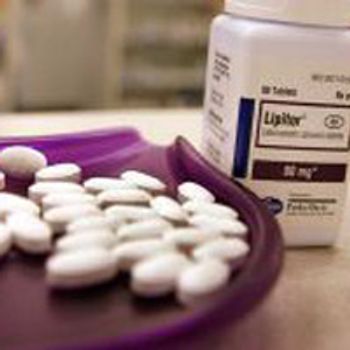
A recent study found that 33.7% of patients on statins fail to lower their LDL-C to the recommended threshold of 100 mg per dL.

In a recent study, investigators from Europe found using virtual reality technology can have an impact on a patient's quality of life.

After analyzing more than 3700 systematic reviews, investigators found that 1 in 3 were unreliable.

Approximately one-half of patients with chronic rhinosinusitis with nasal polyposis have asthma. The less-invasive FeNO test may help detect comorbid patients.

A randomized trial compared cash incentives, peer support, and usual care for increasing rate of HCV treatment among HCV/HIV infected people who use drugs.
With approval Ruzurgi becomes first treatment for LEMS approved for children.

A recent study found that black patients were far less likely to be prescribed buprenorphine than white patients.

Both parents and children with atopic dermatitis often lack answers when it comes to the possibility that food allergies might be causing their skin irritations.

Patients who experienced hypertensive disorders in pregnancy were 80% more likely to develop choroidal neovascular AMD at an early age.

An early-start treat-and-extend regimen produced comparable efficacy with fewer aflibercept injections than regular injections every 8 weeks.

Findings from ASCENT-COPD show the long-acting muscarinic antagonist is noninferior to placebo in driving major adverse cardiovascular event risk in very at-risk patients with COPD.