

After a Mendelian analysis, investigators found that the genetic variants examined explained 4.4% of the variance in refractive error in their patient sample.
After a Mendelian analysis, investigators found that the genetic variants examined explained 4.4% of the variance in refractive error in their patient sample.

Additionally, the added sugar labels will save the health care system an estimated $31 billion.

The humanized single-chain antibody fragment could become the first of its kind approved for the common eye condition.

Study finds that first-year internal medicine residents spend just a fraction of their time in direct patient care.
A small study in Colorado reported that regular marijuana users require significantly greater amounts of sedatives for endoscopic procedures.

About 4 million Americans can’t tolerate statins. A new study suggests bempedoic acid could be used to help these patients lower their LDL cholesterol.

The CREDENCE study of canagliflozin in adults with chronic kidney disease and type 2 diabetes met its primary endpoint as well as cardiovascular endpoints.
A new study shows that a history of anxiety and depression drive suicidal thoughts in students, but having a significant other may limit such thoughts.

Time-restricted feeding has been shown in early trials to be a beneficial treatment for various cardiovascular disease risk metrics.

A new study shows that newly-hired hospitalists are frequently in a position to conduct these difficult patient conversations, but aren't trained in the subject.

Investigators reviewed 347 published articles and found that physician suicide, while a significant problem, is poorly understood and identified multiple possible interventions that could help.
A speech from former US Surgeon General Vivek H. Murthy, MD, gave hope to a room full of physicians that positive change is still possible.

Investigators found a possible association between public disclosure of payments and decreased trust in physicians and in the medical profession.
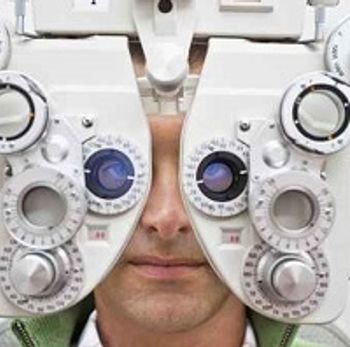
One month after ripasudil treatment, investigators saw the mean foveal thickness decrease significantly and noted decreases in intraocular pressure.
Steatosis was found more often with HCV monoinfection than with HCV/HIV and more commonly detected with imaging than with biopsy.
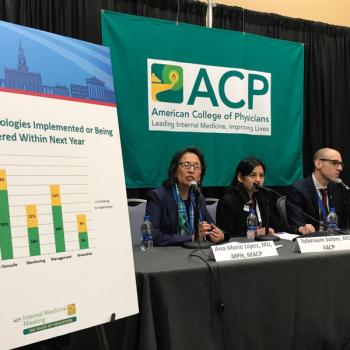
About half of all surveyed ACP members use at least 1 form of telehealth care in their practice, and more are interested in particular additions.
The ACP Advance program will connect individuals or organizations with a expert coach for a 12-month service plan.
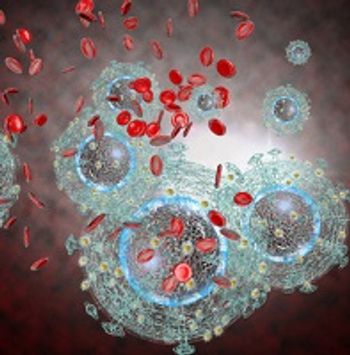
After initiating treatment with Symtuza within 2 weeks of HIV diagnosis, 84% of patients achieved undetectable viral loads at 48 weeks.

At ACP, physicians came together to tell their stories of what keeps them going in medicine. There's a unifying message in all of them.

Additionally, guideline adherence in antibiotic prescribing was lower for telemedicine visits than in primary care or urgent care settings.

How a biopsychosocial approach to assessing pain better aligns with the realities of treating pain pathways—and how that can limit opioid depedence.

Study finds that, despite the creation of the Hospital Readmissions Reduction Program, US and Canada saw similar declines in HF readmission rates.

Sleep habits are an overlooked aspect of primary care visits, despite the prevalence and burden of conditions such like insomnia on the general population.

HCV infection was found to be an independent and significant risk factor for death in patients with chronic kidney disease on maintenance dialysis.

Physician mothers who are responsible for 5 or more domestic tasks are more likely to desire a switch in fields or be dissatisfied with career.

Both long-acting injectable treatments produced statistically significant and clinically meaningful improvements.

A gene linked to risk for steatosis predicted likelihood of patients with sustained virologic response recovering from decompensated HCV cirrhosis.

New research shows families of children with pediatric onset multiple sclerosis face a series of challenges, both before and after diagnosis.

SHBG is present in about 9.7% of adult women who have asthma, and 5.4% of adult men with asthma.
MicroSlides allows labs to run two tests simultaneously, optimizing workflow and improving performance.