

The SIRA RFA Electrosurgical Device is used in electrosurgery for intraoperative coagulation and soft tissue ablation.
The SIRA RFA Electrosurgical Device is used in electrosurgery for intraoperative coagulation and soft tissue ablation.
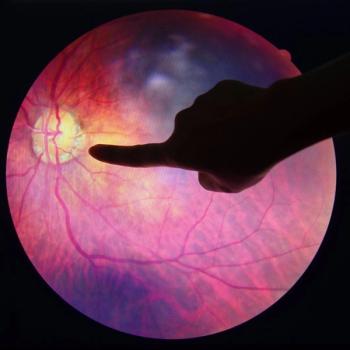
Study finds that patients who received as-needed injections saw a significant anatomical and functional improvement.

Five years ago, I held in my hands a formalin-filled jar containing several fragments of grey tissue wrapped in gauze—the last remains of last century's greatest genius.

Ivabradine can be an important tool to lower heart rates in patients with heart failure, but a new study finds usage rates are low when physicians aren’t proactive about initiating the therapy.
Dovato is a 2-drug regimen approved for treatment-naïve adult patients with HIV infection.

Investigators have found that despite improvements in women’s cardiovascular health care, black women still face disparities in care compared to white and Hispanic women.

Investigators found that mindfulness yoga group can be an effective treatment option for patients with PD to manage both stress and symptoms.

A study of 41 patients in a single center show novel results for the recently-approved treatment-resistant depression therapy.

Investigators believe this is the first study to show both the omega-3 protective effect and deleterious effect of omega-6 on indoor particular matter exposure and systemic inflammation.
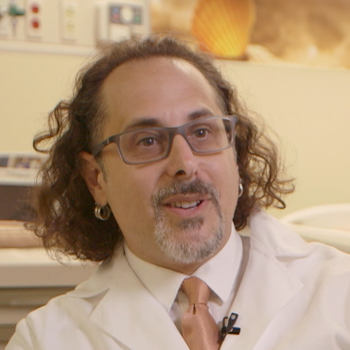
By applying research-supported practices, Optimal Hospital has increased patient sleep, improved HCAHPS scores, and decreased length of stay and readmissions.

An extended-release, subcutaneous injection form of buprenorphine (Sublocade) demonstrated long-term efficacy and safety results.
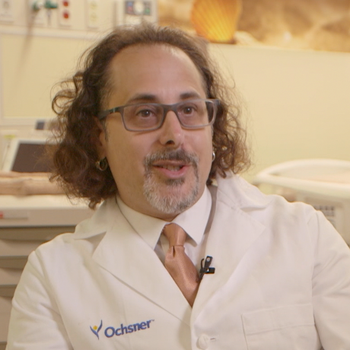
Patients in the Optimal Hospital wing are given iPads that let them access their medical records, see their care team, and view the schedule of their upcoming tests.
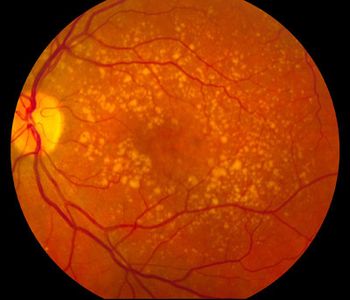
Investigators found that intravitreal administration of aflibercept might alter the corneal endothelium within 6 months of their first injection.
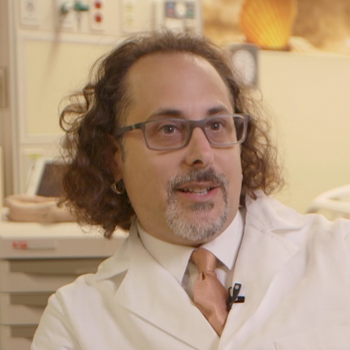
New features include wireless vital monitors, red lighting for nighttime, and surfaces and linens infused with antimicrobial copper.
The three-minute device complements the company's marketed TMS devices which provide care over 37.5 and 19 minutes per session.

Reports state Gottlieb will be returning to familiar work once his temporary replacement, Ned Sharpless, MD, takes office on Monday.

Study finds that EHRs with enhanced usability can lead to reduction in cognitive workload and increases in performance among physicians.

A new gene expression-tracking study, conducted under a novel computation, could provide investigators material to make diagnosis and therapeutic breakthroughs.
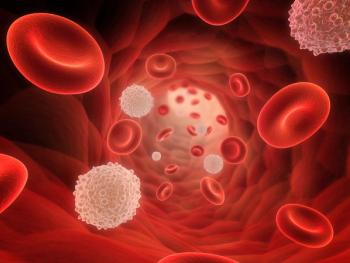
Randomized, placebo-controlled trial found a 50% reduction in absolute eosinophil count in 90% of patients.
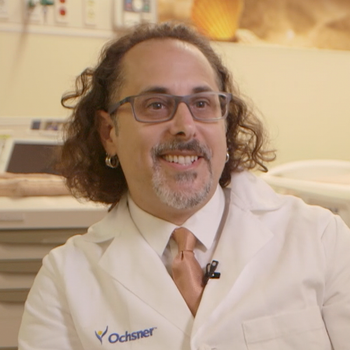
Ochsner Medical Center's innovative Optimal Hospital initiative has sought to reduce hospital-acquired infections, length of stay, and readmissions.

Investigators found the rate of severe bleeding among ibuprofen patients was almost twice as high as patients taking acetaminophen.

Increasing life expectancy from improved healthcare has directly influenced the avenues by which elderly people seek aid and care.

As recently as 2010, anywhere from 18% to 36% of pediatric asthma cases were driven by traffic-related air pollution.

Investigators evaluated whether volatile anesthetics would translate into better survivability in patients undergoing coronary artery bypass grafting.

A month-long study of court decisions found malpractice was absent in telemedicine cases—but that may not indicate any strengths.

Results suggest doctors may be able to delay onset of lung disease in children born with CF.

A new 5-point clinical decision guideline could make it easier for emergency department physicians to determine which patients warrant a flu test.

Sustained virologic response rates were high among HCV/HIV coinfected patients with early treatment discontinuation the only factor associated with lower SVR rate.

Investigators found readmission risk was 4 times greater in patients with stays of 2 days or less.
Overconfidence, anchoring errors, biases, and other factors have all led to misdiagnoses at points in my internal medicine career.