

The device could help lessen the great rate of donor lungs not suitable for transplant.
The device could help lessen the great rate of donor lungs not suitable for transplant.
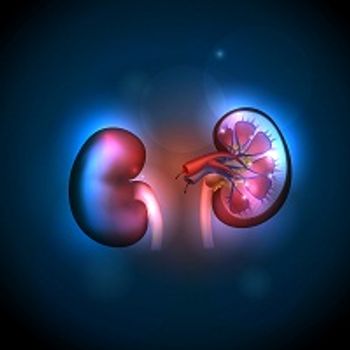
A healthy plant-based diet can reduce a person's risk of developing CKD by 14% and can also help slow the decline of kidney function, according to a new study.

The selective serotonin inverse agonist, previously approved for Parkinson symptoms, could soon seek FDA approval as an adjunctive therapy.

A 27-year study found that signs of oral infections in childhood were associated with cardiovascular risk factors and subclinical atherosclerosis in adulthood.

With support from the “genius” at the O Bar, even patients without strong digital skills are able to participate in Ochsner’s digital medicine programs.

The injectable IL-5 inhibitor therapy is more commonly recommended for patients with greater eosinophil counts.

Investigators found that peanut allergy immunotherapy was associated with a greater risk of anaphylaxis, epinephrine use, and serious adverse events compared to avoidance or placebo.
The lotion, Duobrii, combines halobetasol propionate, a topical steroid, with tazarotene, a retinoid, to provide 2 mechanisms of action for treating plaque psoriasis.
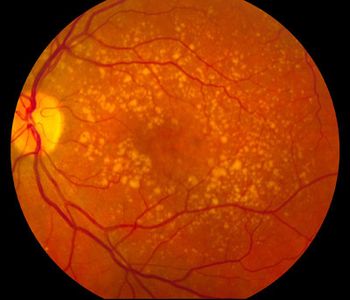
Investigators examined more than 600 fellow eyes in a secondary analysis to identify 2 imaging features and 1 genetic variant linked to conversion.

New COMMANDER HF post hoc data shows more evidence the blood-thinning therapy has some effect on potentially deadly cardiovascular events.

A 68,000-plus patient study could lead to new therapies, more complete and efficient ways to diagnose asthma, and help identify environmental factors that protect against it.

Over a 90-day period, this algorithm reduced hospital codes, such as cardiac arrest, by 44%.

Investigators found that 2 months of antibiotic use later in life could result in a 32% increase in likelihood of developing a cardiovascular disease.

Despite decreasing tobacco use in the US, the prevalence of COPD has not dropped.
The FDA approved the Monarch electronic Trigeminal Nerve Stimulation based on the findings of a trial involving children aged 7-12 years old.
The Connected MOM program allows self-monitoring during pregnancy so that some in-person visits can be skipped, and any issues can be identified early.

A new study of 55 million insured young adults in the US found that major depression, type 2 diabetes, and other conditions are becoming more prevalent among them.

As providers, we do not want to scare parents into worrying about every cough or fever. Not every illness is sepsis.
The LOTUS Edge Aortic Valve System was approved in Europe just 1 month ago, and will be available in the US the following weeks.

Investigators from the University of Washington found that sedentary behavior is becoming more common among Americans in 15-year study.
The TransPyloric Shuttle device is delivered endoscopically to the stomach and can be used for up to 12 months of treatment.
The Apple Watch-friendly platform is the first cleared by the FDA to detect and report the 3 common arrhythmias, including atrial fibrillation.

Medical Economics report finds just 22% of physicians reported a rise in compensation during 2018.

A retroactive review of patients referred to a psychiatric consultant found that most patients left with a different diagnosis.

Economic factors can influence ER department patient disposition, despite prohibitions against such practice.

Investigators found that a plant-based diet was associated with a 41% reduction in heart failure risk, while a “southern” diet heavy in fried food, added fats, and eggs was associated with a 72% increase in risk.

Investigators found that participants who never ate breakfast were 87% more likely to die from cardiovascular disease and stroke than those who ate breakfast every day.

Drinking no water on a given day was associated with greater caloric intake overall and a greater percentage of calories coming from sweetened beverages.

A study of DAA treatment of HCV in the US finds high adherence and effectiveness at less cost than when the antivirals were introduced.
In a 15-year study, investigators found that moderate consumption of eggs can significantly reduce a patient’s risk of developing incident, late-stage age related-macular degeneration