
Opinion|Videos|October 28, 2026
B Cells in IgG4-RD Pathogenesis and Setting Treatment Goals
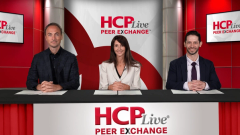
B cells sit at the center of IgG4-related disease biology. The panel connects that insight to treatment goals: relieving symptoms of active disease and preventing irreversible organ damage.
Advertisement
Episodes in this series
In "B Cells in IgG4-RD Pathogenesis and Setting Treatment Goals," the panel connects disease biology to the practical aims of therapy.
Dr. Della Torre begins with what remains unknown. Researchers do not know why the disease mainly affects older men or why it targets the salivary glands in some patients and the retroperitoneum in others. They also do not know why most patients relapse while a few enter spontaneous remission. What is clear, he says, is the central role of B lymphocytes. B-cell depletion improves the disease regardless of the organ involved. When started promptly, mass-forming lesions nearly disappear.
It remains uncertain whether autoantibodies drive the disease, as in classic autoimmune conditions. Dr. Della Torre suggests that B cells likely activate pathogenic T lymphocytes. Together, these cells drive fibrosis of affected tissues, the ultimate outcome of disease pathogenesis.
Dr. Katz then outlines treatment goals. The first is improving symptoms caused by active disease. He reminds patients that some symptoms may reflect damage rather than activity, so remission may not eliminate every symptom. The second goal is preventing damage. Even asymptomatic inflammation of the pancreas, kidneys, orbits, or retroperitoneum can cause substantial damage, so he treats it.
Goals vary by organ, Dr. Katz explains. In asymptomatic salivary gland enlargement, the worst likely outcome is dry mouth. Whether untreated disease increases that risk has never been studied, though it seems plausible. He discusses the risks of dry mouth and the risks of treatment. After that conversation, some patients choose monitoring instead.
He discusses the possibility of future organ involvement with every patient. He images the chest, abdomen, and pelvis before labeling disease as isolated glandular involvement. When serum IgG4 is highly elevated but only gland disease is visible, he warns that internal inflammation may be undetectable on imaging. He monitors those patients closely. Prominent serology may push him toward treatment to control hidden disease.
In "Individualizing IgG4-RD Treatment Around Comorbidities and Limited Options," Dr. Della Torre will explain why drug availability, more than patient factors, often dictates treatment choice.
Advertisement
Related to this article

ORKA-001, a half-life extended IL-23p19 antibody, achieved PASI 100 in 61% of high-dose patients at week 16 in the phase 2b EVERLAST-B psoriasis trial.

In PHINDER, IPF had the highest PVD-B65 mortality risk scores. Rali discusses why PH in ILD is missed and when to refer for right heart catheterization.
Parth Rali, MD, explains how the AHA/ACC A-through-E categories compare with ESC risk tiers and how hospitals can meet the class 1 PERT recommendation.

Colin Church, MBBS, PhD, discusses durable 6MWD and NT-proBNP signals in a TPIP open-label extension and what phase 3 needs to show next.
Colin Church, MBBS, PhD, discusses 24-month open-label extension data showing TPIP remains tolerable in patients with PH-ILD, with no new safety signals.

Vanda’s oral NK-1 receptor antagonist cut any vomiting by 27% vs placebo after a single 1 mg semaglutide dose, and the company plans an sNDA submission.

This segment of Nguyen's 2026 Fall Clinical Dermatology interview highlights key insights on early dermatology career strategies and other information.
Brynn Marks, MD, MSHPEd, joins Diana Isaacs, PharmD, and Natalie Bellini, DNP, to discuss a new framework defining fully closed loop insulin delivery.
Advertisement
Advertisement
Trending on HCPLive
1
eGFR Underestimates CKD in Patients with Cancer, Study Finds
2
Tradipitant Cuts Semaglutide-Induced Vomiting in Phase 3 Trial
3
Respiratory Monitoring After Spinal Muscular Atrophy Gene Therapy
4
Inside The New AHA/ACC Acute Pulmonary Embolism Categories
5