
Opinion|Videos|October 28, 2026
Emerging IgG4-RD Therapies: Cellular, Oral, and Pathway-Targeted Approaches
Oral agents, novel biologics, and cellular therapies are advancing in IgG4-related disease. The panel weighs their promise against toxicity and considers whether lasting remission or cure is achievable.
Advertisement
Episodes in this series
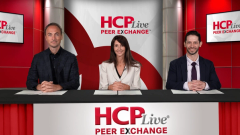
In "Emerging IgG4-RD Therapies: Cellular, Oral, and Pathway-Targeted Approaches," our experts look ahead to the next generation of treatment options.
Dr. Culver asks which emerging therapies most interest the panel. Dr. Della Torre says that, as an immunologist, he is excited by agents that modulate B-cell and immune-cell activation. He cautions that treating patients is not a game. Clinicians must weigh the potential side effects of every new agent carefully. Several molecules are nearly ready, he notes. Some are oral, others infused, and some use chimeric antigen receptor T-cell strategies.
He also hopes research will uncover new pathogenic pathways. B-cell depletion has been used for nearly 20 years. He believes the field now has the capability to explore disease pathogenesis more deeply. New discoveries could improve, tailor, and personalize treatment.
Dr. Katz calls this a very exciting time for the field and for patients. Many therapies are in development. He would love to stop telling patients with active disease that only one drug is available. Each new agent will differ in risk profile, tolerability, mechanism of action, and route. Having those choices will give patients a larger role in their own care.
He also cares for many patients with IgG4-related disease and another autoimmune disease. Managing both is difficult on B-cell depletion, because he avoids layering additional immunosuppressants on top. Therapies that address more than one disease would be valuable. Cellular therapies excite him too, despite substantial toxicity. Their appeal is the theoretical possibility of a cure. If a cellular therapy eliminated disease-causing B cells or the entire B-cell compartment, short-term toxicity might be worthwhile. He stresses that this remains hopeful thinking without supporting data.
Dr. Culver summarizes the vision as early risk stratification, relapse markers, and treatment chosen for each patient. She lists cell-based therapies, T-cell engagers, and cytokine-directed agents. Future therapy may target allergic, inflammatory, or fibrotic phenotypes, sometimes in combination.
The next episode in this series, "Long-Term Monitoring in IgG4-RD: Imaging, Serology, and Visit Frequency," features Dr. Katz describing how he monitors patients over years of follow-up.
Advertisement
Related to this article
ORKA-001, a half-life extended IL-23p19 antibody, achieved PASI 100 in 61% of high-dose patients at week 16 in the phase 2b EVERLAST-B psoriasis trial.
In PHINDER, IPF had the highest PVD-B65 mortality risk scores. Rali discusses why PH in ILD is missed and when to refer for right heart catheterization.
Parth Rali, MD, explains how the AHA/ACC A-through-E categories compare with ESC risk tiers and how hospitals can meet the class 1 PERT recommendation.
Colin Church, MBBS, PhD, discusses durable 6MWD and NT-proBNP signals in a TPIP open-label extension and what phase 3 needs to show next.
Colin Church, MBBS, PhD, discusses 24-month open-label extension data showing TPIP remains tolerable in patients with PH-ILD, with no new safety signals.
Vanda’s oral NK-1 receptor antagonist cut any vomiting by 27% vs placebo after a single 1 mg semaglutide dose, and the company plans an sNDA submission.

This segment of Nguyen's 2026 Fall Clinical Dermatology interview highlights key insights on early dermatology career strategies and other information.
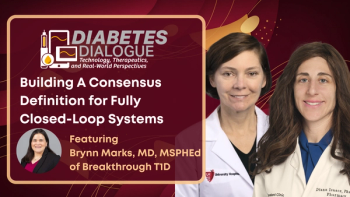
Brynn Marks, MD, MSHPEd, joins Diana Isaacs, PharmD, and Natalie Bellini, DNP, to discuss a new framework defining fully closed loop insulin delivery.
Advertisement
Advertisement
Trending on HCPLive
1
eGFR Underestimates CKD in Patients with Cancer, Study Finds
2
Tradipitant Cuts Semaglutide-Induced Vomiting in Phase 3 Trial
3
Respiratory Monitoring After Spinal Muscular Atrophy Gene Therapy
4
Inside The New AHA/ACC Acute Pulmonary Embolism Categories
5