
Opinion|Videos|October 28, 2026
Malignancy Risk in IgG4-RD: Interpreting Conflicting Evidence
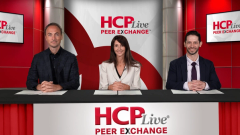
Studies disagree on whether IgG4-related disease raises future cancer risk. The panel separates prevalence from incidence, explains common study biases, and describes their approach to cancer screening.
Advertisement
Episodes in this series
"Malignancy Risk in IgG4-RD: Interpreting Conflicting Evidence" takes up a question that has divided the field.
Dr. Katz explains that the malignancy debate is heated because the answer remains unknown. Several cohorts show higher malignancy prevalence, meaning patients more often have a cancer history than people without the disease. Less clear is whether patients face higher risk after disease onset. A previous cancer does not change disease management. Future risk, however, matters greatly to them.
Data on post-onset risk are mixed, and many studies have important limitations. Detection bias is a major concern. Extensive imaging at diagnosis may uncover cancers that would otherwise have remained hidden for years. Some studies do not separate existing cancers from new ones. Claims-based studies showing higher incidence cannot easily separate the disease itself from treatment effects. Some treatments used in IgG4-related disease, such as cyclophosphamide, are known to increase cancer risk.
His center studied malignancy risk from the first clinical signs of disease rather than diagnosis. Reassuringly, it found no increased risk. He notes that it is the largest study of its kind but is single-center. Given conflicting results, larger longitudinal studies are needed.
In his practice, imaging monitors disease activity only. Evidence does not support extra cancer surveillance. He recommends routine, age-appropriate cancer screening. Pancreatic imaging is an exception in practice. Some data suggest autoimmune pancreatitis may raise pancreatic cancer risk, though findings conflict. Chronic gastrointestinal inflammation is linked to local cancer, which supports continued pancreatic imaging, as most clinicians already do.
Dr. Della Torre agrees about study limitations. His retrospective cohort showed a slight increase in malignancy in the 3 years around diagnosis. Notably, his team has never seen cancer arise in an organ affected by IgG4-related disease. He suggests that treatment may suppress local inflammation that might otherwise promote cancer. He has seen no dominant tumor type, so he does not use disease-specific cancer screening.
In "New International IgG4-RD Guidelines and the Road Ahead," the panel will close the series with a look at new international guidelines and what may make the greatest difference for patients.
Advertisement
Related to this article

ORKA-001, a half-life extended IL-23p19 antibody, achieved PASI 100 in 61% of high-dose patients at week 16 in the phase 2b EVERLAST-B psoriasis trial.

In PHINDER, IPF had the highest PVD-B65 mortality risk scores. Rali discusses why PH in ILD is missed and when to refer for right heart catheterization.
Parth Rali, MD, explains how the AHA/ACC A-through-E categories compare with ESC risk tiers and how hospitals can meet the class 1 PERT recommendation.

Colin Church, MBBS, PhD, discusses durable 6MWD and NT-proBNP signals in a TPIP open-label extension and what phase 3 needs to show next.
Colin Church, MBBS, PhD, discusses 24-month open-label extension data showing TPIP remains tolerable in patients with PH-ILD, with no new safety signals.

Vanda’s oral NK-1 receptor antagonist cut any vomiting by 27% vs placebo after a single 1 mg semaglutide dose, and the company plans an sNDA submission.

This segment of Nguyen's 2026 Fall Clinical Dermatology interview highlights key insights on early dermatology career strategies and other information.

Brynn Marks, MD, MSHPEd, joins Diana Isaacs, PharmD, and Natalie Bellini, DNP, to discuss a new framework defining fully closed loop insulin delivery.
Advertisement
Advertisement
Trending on HCPLive
1
eGFR Underestimates CKD in Patients with Cancer, Study Finds
2
Tradipitant Cuts Semaglutide-Induced Vomiting in Phase 3 Trial
3
Respiratory Monitoring After Spinal Muscular Atrophy Gene Therapy
4
Inside The New AHA/ACC Acute Pulmonary Embolism Categories
5