




























































A total of 178 patients achieved inactive disease while continuing adalimumab, and 51 patients maintained remission after discontinuing adalimumab.
A total of 178 patients achieved inactive disease while continuing adalimumab, and 51 patients maintained remission after discontinuing adalimumab.

A smaller decrease in VA at 4 months was observed in the guideline adherent groups when compared with the non-adherent groups.

New data on the incidence of glaucoma among rural subjects ≥40 years old in China report a 0.4% annual rate.

Higher tolerance of retinal fluid in neovascular AMD corresponded to needing fewer anti-VEGF treatment injections for same visual outcomes.

The findings suggest access to the vaccine was lowest among those who reported blindness, deafness, or multiple disabilities.

Topical OCS-01 was significantly more effective than vehicle in improving central macular thickness in patients with DME, according to new phase 2 data.

Intravitreal 0.2 or 0.1 mg ranibizumab induced a faster regression of plus disease, stage 3 ROP, and AP-ROP compared to laser.

Daily self-imaging scans and in-office OCT scans graded by human experts agreed on the fluid status in 96% of the cases.

Finnish population study attributes reduction in visual impairment from AMD to improved diagnostic tools, earlier diagnoses, and new therapies.

The biosimilar product was deemed interchangeable with ranibizumab injection across all five retinal indications.
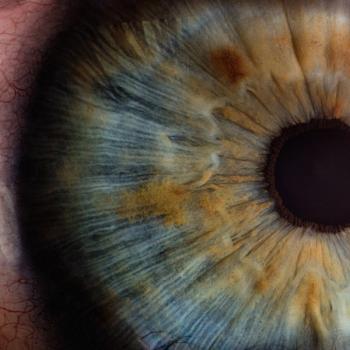
Study data show 14% of eyes managed with intravitreal therapy in routine clinical care experienced ≥ 10 letter loss.
This episode of DocTalk features 5 expert retina specialists discussing the top line data from the conference.

Over 60% of patients in the second year of TENAYA and LUCERNE were on 16 week dosing in the faricimab group.

Data show metformin was associated with reduced odds of developing AMD, with low to moderate doses having the greatest potential benefit.
Dr. Singh discusses the promise of durability with the agent and the potential for reducing the amount of patient visits, while preserving visual outcomes.
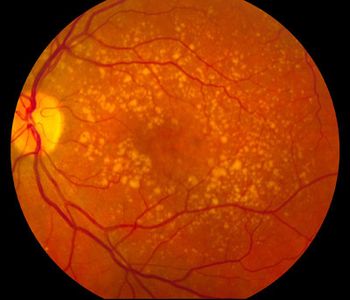
More than 60% of faricimab patients could be treated every 4 months at 2-year mark of TENAYA and LUCERNE studies.

Real-world patients showed improvement in visual acuity and anatomic parameters, but are still at an early time point in TRUCKEE study.

The best overall outcomes were attained in eyes without fluid and ellipsoid zone integrity preservation, investigators said.

Data show the lifetime risk of late AMD ranged from 4.4% for carriers of the nonrisk genotype to 9.4% and 26.8% for heterozygous and homozygous carriers.

Poor initial visual acuity and clock hours of retinitis were significantly associated with RD development, according to new findings.

Men and patients aged 65 years and younger had higher incidences of retinal tears.

Incident glaucoma was associated with higher cognitive function scores but steeper rates of cognitive score decline over time.

Study investigators aimed to raise awareness of the potential risk of retinal vascular events associated with COVID-19 infection.

The most effective strategy reduced the number of screened infants by 24% compared to the current guideline.

Investigators did not observe a benefit with the anti-VEGF in preventing intermediate AMD eyes from converting to neovascular disease versus sham.