





























































Brolucizumab was deemed superior to aflibercept in treatment naive patients with neovascular age-related macular degeneration.
Brolucizumab was deemed superior to aflibercept in treatment naive patients with neovascular age-related macular degeneration.

New AAO 2022 data show the novel treatment administration may eventually save patients money versus standard anti-VEGF injfections.

New findings show the investigative single-dose agent is safe and associated with reduced rescue-dose anti-VEGF treatment.

Comparison of 12- and 24-month regimens of common nAMD treatment show little difference in the common adverse event in patient eyes.

Brolucizumab every four weeks met efficacy end points versus aflibercept at end of MERLIN study, but with higher incidences of intraocular inflammation.

The least squares mean change from baseline in BCVA at Week 8 was 6.7 letters for SB15 versus 6.6 letters for aflibercept.

PP-IRF through year 2 was independently associated with worse long-term visual acuity and scar development.

Patients with nAMD, DME, BRVO-ME, and CRVO-ME showed limited visual acuity outcomes in clinical practice.

The 0.002% eye drops were designated for the reduction of elevated IOP in patients with primary open-angle glaucoma or ocular hypertension.

The phase 2 Ladder trial indicated no evidence of worse macular atrophy with PDS compared with intravitreal ranibizumab 0.5-mg injections.

The analysis suggests people with T2D newly receiving SGLT2 inhibitors may have lower risk for DED in comparison to those receiving GLP-1 RAs.

Trifocal IOLs were linked to greater improvement in visual acuity in uncorrected near visual acuity and enhanced uncorrected intermediate visual acuity.
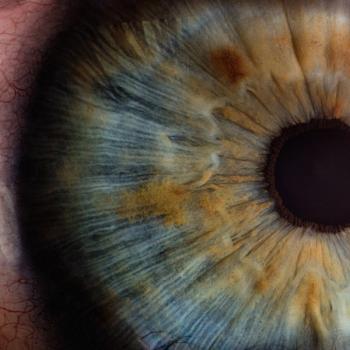
Study data suggest the amount of damage to the corneal nerve fibers increased in line with the amount of impairment to glucose metabolism.

Microperimetry was safe and appeared predictive, detecting in at least 65% of cases the risk of AMD.

Brolucizumab use in treatment-naive and previously anti-VEGF-treated patients with nAMD was linked to improvements in visual acuity, CST, IRF and SRF.

Study data suggest HbA1c level from diabetes diagnosis is a strong biomarker for PDR and nephropathy, with the prevalence of both increasing more than 30 years after diagnosis.

Children regularly engaged in physical activities had significantly better visual and stereoacuity than those who reported moderate, light or no activity.

Children identifying as Black, Mexican American, low-income, or non-US citizen were more likely to report poor subjective visual function from 2005 to 2008.

Study data suggest the observed to expected ratio of VAU for the United States cases reports was comparable for all 3 approved vaccines.

Children in the RLRL group had less myopia progression and axial elongation compared with those in the sham device control group.

The presence of SRF or PED was not significantly associated with worse visual acuity at any time point during the observation period.

Eyes with preoperative inner microcystoid changes had significantly worse postoperative and final visual acuity.
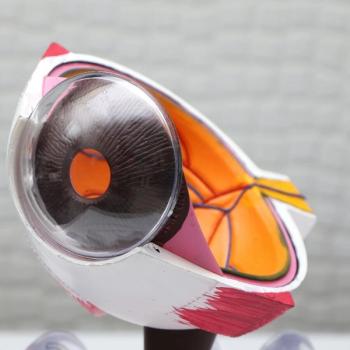
Study findings suggest that some cases of secondary glaucoma occur up to 16 years after the original cataract surgery.

Macular atrophy and hyperreflective material were common after 7 years of follow-up in IVAN trial.

The phase 3 trial met its primary endpoint of mean rate of growth in GA area at 12 months with statistical significance and a favorable safety profile.