





Atopic Dermatitis
Latest News
Advertisement
Video Series






Latest Videos
Shorts

1:04
Why Current Eczema Treatments Aren’t Enough
5 months ago
by
Christopher G. Bunick, MD, PhD

1:26
Defining Eczema Remission: The 4 Stages of Disease Control
5 months ago
by
Raj Chovatiya, MD, PhD
0:52
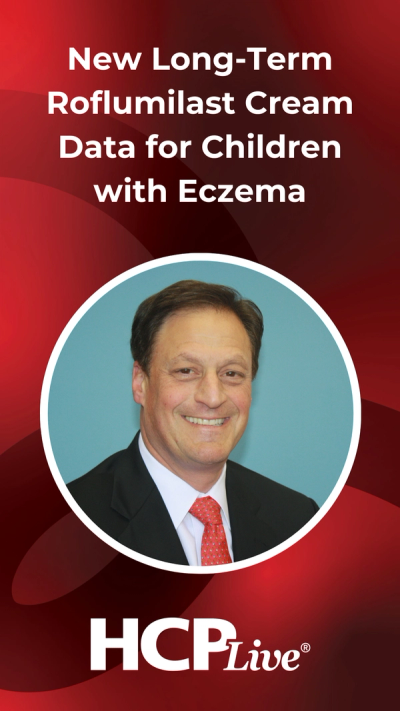
New Long-Term Roflumilast Cream Data for Children with Eczema
7 months ago
by
Lawrence Eichenfield, MD

0:47
Why is the FDA Approval of Roflumilast Significant for Children with Eczema?
a year ago
by
Lawrence Eichenfield, MD

0:50
Discussing Phase 2b Findings on Temtokibart for Atopic Dermatitis
a year ago
by
Chi-ho Hong, MD, FRCPC

1:28
New Drug Clears Chronic Hand Eczema in 16 Weeks
a year ago
by
Linda Stein Gold, MD
Podcasts






CME Content























































Advertisement
More News
In this SDPA Conference interview, Zirwas continues his discussion of increasing environmental impacts on rates of atopic dermatitis.
Matthew Zirwas, MD, speaks in this SDPA interview about evidence for atopic dermatitis being more of an environmental disease than a genetic one.

New phase 2 findings on tralokinumab, from TRAPEDS-1, show favorable results in children 6 - 11 years with atopic dermatitis.

The supplemental New Drug Application for Arcutis’ roflumilast cream 0.05% (Zoryve) is for mild to moderate atopic dermatitis in those down to 3 months.
This review highlights the most notable dermatology news stories covered by HCPLive during the second quarter of 2026.

New AD biologic data highlight early systemic treatment, durable itch control, and improved pediatric growth—shifting goals beyond skin clearance.
Matthew Zirwas, MD, on why adult-onset atopic dermatitis is the most undertreated condition in dermatology and how diagnostic criteria are driving years of delayed care.
The topic of precision medicine in dermatology is explored in this segment of Bunick's interview at RAD 2026.
This interview at RAD highlights FDA-approved therapies in the atopic dermatitis treatment armamentarium.
Matthew Zirwas, MD, explains why topical JAK inhibitors represent a clinical turning point for hand eczema.
Matthew Zirwas, MD, on using dupilumab and lebrikizumab to guide patch testing decisions and the 2 most missed allergens in eczematous disease.
Siegfried discusses some of the most notable highlights of her session at the RAD 2026 conference regarding clinical pearls in dermatology.
This segment of Lio's RAD Conference interview in Nashville highlights the growing number of therapeutics and an increasingly personalized approach.
Pediatric studies show dupilumab boosts height gains, eases caregiver-reported symptoms by week 2, and maintains strong skin clearance for 3 years.
This Q&A interview with Mona Shahriari, MD, highlights key atopic dermatitis tips, new developments, and themes from her session at RAD 2026.
Mona Shahriari, MD, spoke about the evolving understanding of atopic dermatitis as a systemic disease, the complexities of treatment selection, and more.
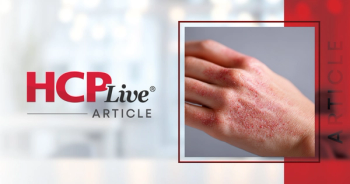
Multiple trials at RAD 2026 highlight the efficacy and safety of delgocitinib in chronic hand eczema.
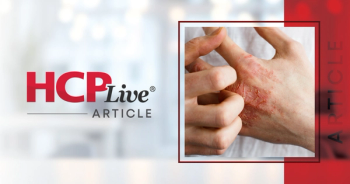
RAD 2026 data indicate tralokinumab achieved significantly deeper hand eczema clearance and greater functional improvement than dupilumab in an indirect comparison.
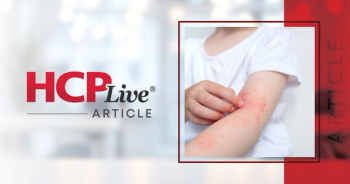
Roflumilast cream data from RAD 2026 shed further light on the efficacy and safety across the age spectrum.
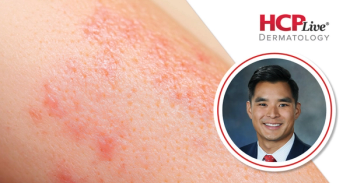
Nguyen urges clinicians to consider patient's disease presentation, comorbidities, treatment goals, and preferences when making therapeutic decisions.
Emerging Evidence in Atopic Dermatitis Management, With Harrison Nguyen, MD, MBA, MPH
Published: | Updated:
At RAD 2026, Nguyen speaks on key highlights from his “Medical Crossfire” session, touching on the atopic dermatitis treatment landscape.
David Rosmarin, MD, discussed STAT6 inhibitors, ITK inhibitors, bispecifics, hand eczema, and endpoints at the RAD 2026 Conference.
Song emphasized that clinicians should think beyond the skin when managing patients with atopic dermatitis.
ARCADIA LTE data show nemolizumab maintains EASI-75 in over 90% of responders through 2 years and phase 2 pediatric data shed further light at RAD 2026.
At RAD2026, Lieberman notes advances in immunology and systemic therapies that are reshaping the link between dermatology and allergy/immunology.
Advertisement
Advertisement
Trending on HCPLive
1
New Injectable Substantially Reduces Visceral Adipose Tissue in Obesity
2
Remibrutinib Receives FDA Approval for Symptomatic Dermographism
3
ZUPREME-2: Petrelintide Outperforms Placebo for Weight Loss in T2D and Obesity
4
Why "Normal" Ferritin Can Miss Iron Deficiency, With Jacquelyn Powers, MD, MS
5