

Dermatology
Latest News

Advertisement
Latest Videos





CME Content























































Advertisement
More News

A Lenox Hill Hospital dermatologist outlines the threats surrounding, and ideal therapies for, dermatological conditions brought on by pollution.

The non-cancerous skin growths currently affect about 83 million US adults.

Nearly half of the study participants achieved complete skin at week 16, while 87% maintained the response at week 52.
The New Zealand-based over-the-counter therapy will be available for US patients on Amazon's website in 2018.

Why is delafloxacin unique compared to other fluoroquinolones? Find out more.
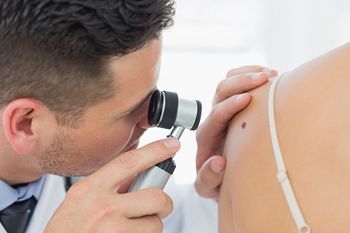
First-in-class antibody demonstrates significant reduction in bullous pemphigoid activity.
According to the company, several other US applications for use are still pending, and additional clinical trials for “advanced therapeutic applications” are scheduled.
The FDA has approved guselkumab for adults with moderate to severe plaque psoriasis who are candidates for systemic therapy or phototherapy.

Already at war over PCSK9, drug giants go to court over another breakthrough drug.

Severe skin disease medication gets FDA breakthrough therapy designation status.
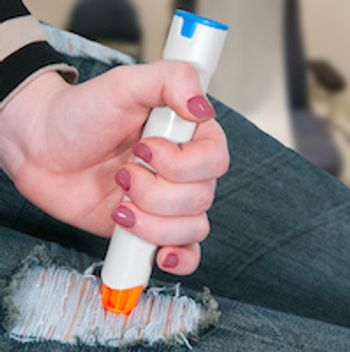
Drug store CVS now carries cheaper option to EpiPen.

A trip to the beauty salon could result in exposure to dangerous blood-borne viruses.
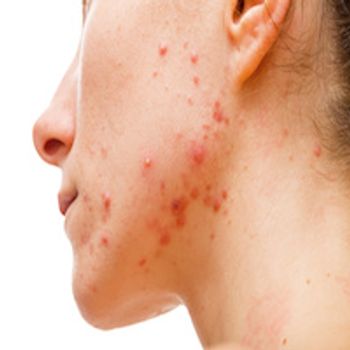
Researchers initiated a new phase 3 clinical trial for topical agent olumacostat glasaretil, a potential treatment for acne vulgaris.
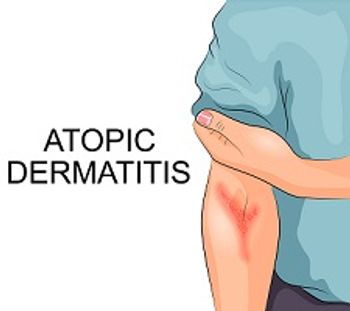
The second of a two-part, year-end review of advances against eczema/dermatitis (AD) focused on treatment and prevention, noting there was little evidence showing "relative efficacy" of common systemic treatments.

Researchers compiled best practices for clinicians diagnosing and treating aquagenic urticaria (AU), a rare, but debilitating form of the skin disorder that leaves patients unable to bathe, sweat, or cry without breaking out in painful wheals.

A new study reported no increased incidence of heart disease in patients treated for chronic urticaria, despite prior research highlighting a potential association with other cardiac risk precursors.

An over-the-counter (OTC) treatment was considered superior to both the corticosteroid and an emollient cream in improving skin hydration.
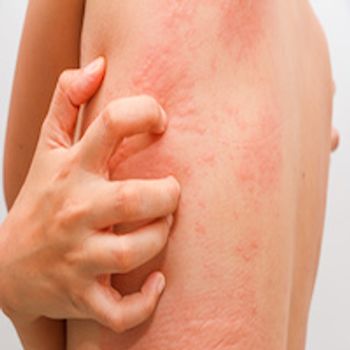
Researchers highlight a new set of tests that could streamline the process involved in identifying autoimmune chronic urticaria.

Previous research showed probiotics given to pregnant women during certain stages of pregnancy and post delivery reduced the likelihood of atopic dermatitis in their children. Recently published reports; however, may not agree.

Patients who have either chronic idiopathic urticaria (CIU) or chronic spontaneous urticaria (CSU) who take oral corticosteroids (OCS) face a greater risk of side effects as well as higher total healthcare costs, according to a recent study.
“While the concept of biofilms in atopic dermatitis is relatively new, antimicrobial and biofilm dispersing agents have been included in the treatment regimen for atopic dermatitis for decades," according to the study authors.
Multiple measurements of skin integrity and function were applied to distinguish between the effects of topical emollient products in a recent study. Two popular products in the UK were determined to transiently improve the skin barrier that is thought to be defective in atopic dermatitis (AD), and another product was confirmed to be damaging.

Researchers report that atopic dermatitis (AD) is associated with increased risk of ADHD in adults and children. Patients with more severe AD were at even higher risk.

A modified Goeckerman regimen was associated with significant improvement of symptoms in patients with chronic, severe atopic dermatitis.

When a patient is diagnosed with chronic idiopathic urticaria, there are several things doctors can do to help them. The process to get the proper diagnosis can take several weeks, which can complicate the situation for patients.
Advertisement
Advertisement
Trending on HCPLive
1
RELIEVE-AD-PEDs: Dupilumab Sustains Adolescent Atopic Dermatitis Control at 1 Year
2
Targeting the Disease Mechanism in PFIC, With Hisamitsu Hayashi, PhD
3
10 Nephrology Headlines You Missed in Q3 2026
4
Top Reason for Leaving HAE Attacks Untreated, Survey Finds
5