
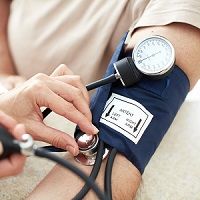

































































Physicians are primarily delivering disease management, rather than healing and care. The current system is a placing a strain on the practice.
Physicians are primarily delivering disease management, rather than healing and care. The current system is a placing a strain on the practice.

A new meta-analysis aimed to quantify the effect, if any, of physician burnout on patient wellbeing. They found the links are strong and consequential.

A study of primary care patients found that of patients screened for alcohol use, just 2.4% were also screened for depression. Men and racial/ethnic minorities were less likely to be screened for depression.

Interestingly, increased distress led to a higher risk of stroke for women, while distressed men had a higher risk of heart attack.

Deaths due to drug overdoses and suicides have contributed to decreasing US life expectancy, but other factors indicate that there is a deeper root cause driving these trends.

The therapy’s New Drug Application was accepted and granted Priority Review in May of this year, after having been granted Breakthrough Therapy designation in September 2016.

The New Drug Application is based on data from 5 phase 3 studies of the efficacy and safety of esketamine nasal spray for treatment-resistant depression.
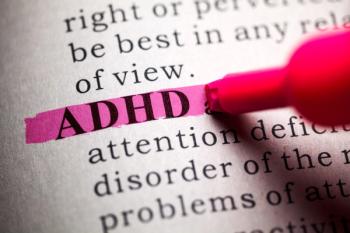
A paternal smoking amount of more than 15 cigarettes per day was significantly associated with children's ADHD.

A small study found that ketamine decreased symptoms of depression—investigators studied its effects in combination with the opioid-blocker naltrexone compared to a placebo.

In 2016, US firearm suicides represented 35.3% of all global firearm suicides—despite the US just comprising 4.3% of the global population.

What a longtime family practitioner in a state that authorizes medical aid in dying has learned through his own experience of the controversial practice.

The phase 2b dose-ranging trial will involve 216 patients across 12-15 research sites in North America and Europe, beginning in the UK later this month.
In a clinical trial, the expedited Transcranial Magnetic Stimulation device produced a patient response/remission rates of 32% depressive symptom improvement rates of 49%.

Quebec-based investigators have highlighted the central role of bridge symptoms in the developmental process leading to long-term anxiety.

The Childhood Behavior Checklist may help primary care physicians determine if young children are at risk for developing major depressive disorder or anxiety disorders in their teenage and young adult years.
Obsessive compulsive disorder is commonly treated with medicines, psychotherapy, or some combination of the pair. It currently affects about 1% of US adults.

The findings support exploration of LAC as a biomarker and therapeutic target that might help guide individualized treatments in the spirit of precision medicine.

A Denmark retrospective study of 7 million-plus individuals found associations between increased TBI severity and frequency, and suicide risk.

Over time, it has become evident that suicide involves a complex mix of genetics, temperament, circumstances, external support, and access to means.

According to pooled data, 91.8% of the hospitalizations due to firearm injuries in pediatric and adolescent patients were of urban patients, 4.8% were of micropolitan patients, and 3.3% were of rural patients.

Through Warrior Centric Health, the 25-year US Navy vet has bridged the gap between civilian physicians and the specific-need veterans left behind.

For patients with acute coronary syndrome and depression, taking escitalopram to treat depression resulted in significantly fewer major cardiac events compared to patients given placebo.

Meeting with a peer support worker to complete a personal recovery workbook reduced readmissions over a year for patients with mental health challenges.

Times are tough. Medicine needs a hero.

Researcher from the Indiana University School of Medicine found that at well-child visits 4.4% of fathers reported symptoms of depression compared to 5% of mothers.