
































































An analysis of data in the Nurses' Health Study found that women who exercised regularly were just as likely as peers who did not to get multiple sclerosis. Exercise is still helpful in managing symptoms.
An analysis of data in the Nurses' Health Study found that women who exercised regularly were just as likely as peers who did not to get multiple sclerosis. Exercise is still helpful in managing symptoms.

In these busy times there can be many things that can get in the way of a healthy relationship on a variety of levels. Identifying these barriers and knowing what to do about them can be very difficult issues to tackle for patients and providers alike.

As conditions like PTSD have been brought to the forefront work has been done to help not only current service members but also veterans who may be dealing with that and other conditions during and after service.

Studying the use of targeted medicines in psychiatry is still new but early studies have shown that this could be a viable treatment option in the future for some patients in need.

In the field of oncology the use of targeted medications is becoming more commonplace to address various conditions. Research is being done in other areas of medicine, including psychiatry to see if there is more that can be done to address this patient population as well.
For people who may not know what borderline personality disorder is or have questions about what can be done to help these patients a new effort is being made to raise awareness about this difficult condition.
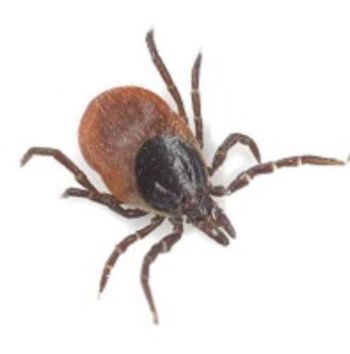
Although Lyme disease typically impacts the skin, joints, and heart, it can also cause a variety of neurologic and psychiatric complications for which there are no current treatment guidelines.

Susan Schneider Williams, spouse of the late Robin Williams spoke with MD Magazine about the several symptoms the actor presented up to a year before his death that made it difficult to diagnose what he was suffering from: Lewy Body Disease (LBD).

Study results confirm that anxiety and depression before surgery can significantly influence the amount of pain a patient feels after surgery, adding to the evidence that the subjective experience of pain is worth considering, both before and after a pain intervention.
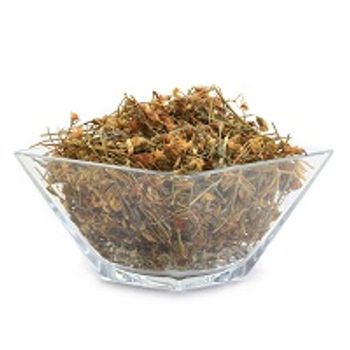
Researchers report that St. John’s Wort produces persistent glucose intolerance via decreased beta-cell function. St. John’s Wort may increase risk of type 2 diabetes in the already at-risk depressed population.

A novel clinical intervention that combines mental training through meditation and physical training through aerobic exercise effectively reduces the symptoms of depression.
While treating a veteran with post traumatic stress disorder is important, it is also proving to be equally as important to ensure that their friends and loved ones are being taken care of as well. When everything comes together the results have proven to be beyond the expectations of those involved in the overall treatment process.
Being depressed or tired makes people less alert, but not sleepy, a Canadian study found. That means that sleepiness and poor alertness are not the same, and that doctors should not use the terms interchangeably.

Researchers from the Mayo Clinic developed the Depression Medication Choice (DMC) encounter decision aid, designed to help patients and clinicians consider the available antidepressants and the extent to which they improved depression and other issues important to the patients.
Ultra-brief pulse stimulation is nearly as effective as electroconvulsive therapy (ECT) for severe depression, and it as fewer side effects.

Sleep apnea and depression are both serious conditions patients deal with on a daily basis. A recent study looked at a possible connection between the two and how doctors can better treat these patients.

Researchers say determining which patients will respond best to major depressive disorder drug therapies may be possible using a 24-hour wristband monitor.

Researchers reported that treatment with isotretinoin is not only associated with significant clinical improvement in patients with moderate to severe acne, but it also did not cause worsening of depression or suicidal thoughts in any of the patients in the study.
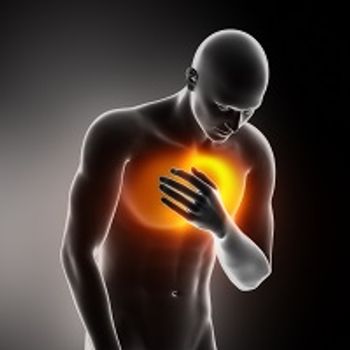
Even in the absence of coronary artery disease, patients with depression appear to experience more frequent chest pain than patients without depression.

A recent study showed that retinal abnormalities detected through objective electrophysiological measurements may help identify the pathogenesis of major depressive disorder and possibly other psychological conditions.

Teen girls in rural areas more often have undiagnosed asthma than their male counterparts, and are at an additional higher risk for depression.

In last month's Pain Perspectives, I discussed the importance of assessing patients with chronic pain for depression – as it is extremely prevalent in this population and has been found to interfere with physical treatment. This month, we will begin to look at what the primary care physician can do to ensure that their patients with chronic pain have their depression addressed adequately.

A study of men with borderline testosterone levels found that half of them suffered either depressive symptoms or overt depression.

Many male patients with low to moderate levels of testosterone are being diagnosed with depression more often these days. The question then for healthcare professionals becomes how best to treat them.

Burnout is a hallmark of depression and present in nearly all cases of atypical depression, according to a study published in the International Journal of Stress Management.