






























































A new review of the scientific literature suggests there’s ample evidence over-the-counter painkillers have psychological effects.
A new review of the scientific literature suggests there’s ample evidence over-the-counter painkillers have psychological effects.
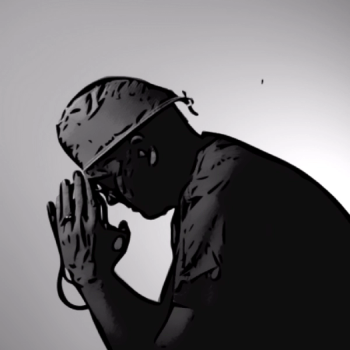
Physician suicide is a taboo topic—and despite high rates of depression and PTSD among doctors, little help exists for those at risk.
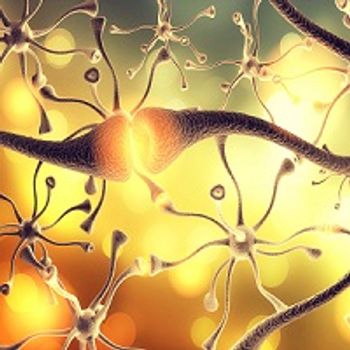
The rate of reward center volume loss may vary between nondepressed individuals and depressed individuals across multiple age groups.
Transcranial magnetic stimulation, which was approved by the FDA for drug-resistant depression in 2009, has recently experienced a growth in clinical use.
During perimenopause, women are more likely to experience symptoms of depression, and during postmenopause, they are more likely to experience anxiety symptoms.

A new study suggests the novel therapy can help empower patients with psychoses.
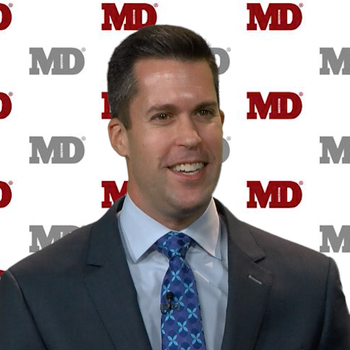
Steve Levine, MD, discussed the challenges physicians must overcome when treating patients with major depressive disorder.

Work-related sick leave dropped 18% for employees working for managers that received mental health training.

Results determined that 168 out of the 300 patients, or 56.0%, had felt "some type of anxiety" related to the anti-VEGF treatments.
Psychedelics like psilocybin have been receiving attention from psychiatrists on and off for decades. Here's what we've learned, and what's on the horizon.
Parental rejection, abandonment, physical and sexual abuse double the victim's rates of depression, inflammation, metabolic disorders and chronic medical illnesses.
Using 24-hour wrist monitors, the study revealed “distinct mood-dependent effects on wrist-activity markers of circadian timekeeping.”
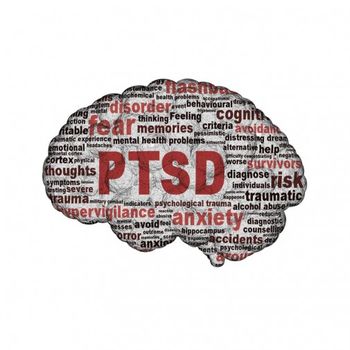
In a phase 2 trial, MDMA reduced PTSD in 68% of patients after a 12-months period.
These tools can reduce selection bias and misdiagnosis, and improve communication between primary and secondary care physicians.

12% of patients prescribed the 2 drugs in combination were still taking benzodiazepine 6 months later.

Though safer for relapsing-remmitting multiple sclerosis than new disease-modifying therapies, the treatment nearly doubles the chance of a patient suffering from a stroke.

The survey applied a validated questionnaire to distinguish drug treatment side effects from the symptoms of major depression.
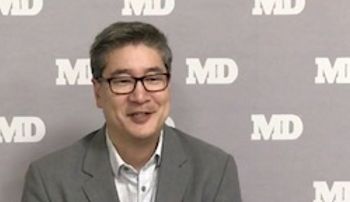
Dr. Kiki Chang sits down with MD Magazine and talks about the latest data on lurasidone.
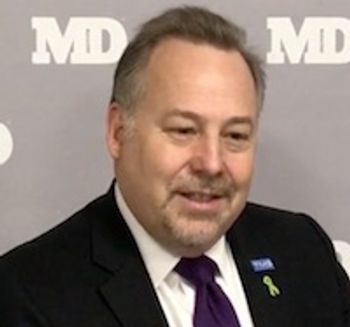
Transcranial Magnetic Stimulation (TMS) is getting good results as an adjunctive therapy for patients with major depression who have failed on several antidepressant medications.

Cyberbullying exacerbates existing mental health conditions among adolescents.

Patients with colorectal cancer are at a higher risk for mood disorders.

Dads with depression could affect children's internal/external behavior.

Reassurance should focus on success rates and low risk of serious problems.

Low sugar Mediterranean diet helps depression:study.
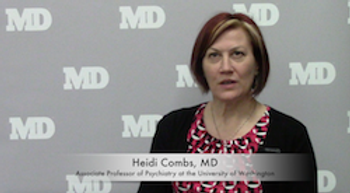
Heidi Combs, MD, says that many patients present to the primary care office thinking that they have other health problems when the diagnosis is really anxiety or depression. She discussed the topic at the American College of Physicians Internal Medicine Meeting (ACP 2017) in San Diego, California.