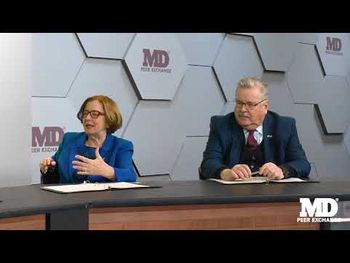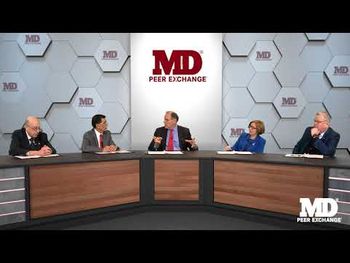






























































The use of electroconvulsive therapy in patients with bipolar depression resulted in higher remission rates while showing similar response rates to unipolar major depression.


John Greden, MD: Challenges and Best Practices in Treating, Identifying Depression

Is Physician Burnout an Epidemic? Focusing on Physician Well-Being Can Combat the Crisis
The use of electroconvulsive therapy in patients with bipolar depression resulted in higher remission rates while showing similar response rates to unipolar major depression.
This is the first FDA-approved antidepressant for MDD to have data in US Prescribing Information showing a positive effect on processing speed.

All told, 68% of the group receiving a full dose of MDMA no longer qualified for a PTSD diagnosis compared to 29% in the active-placebo control group.
Depressed mothers provided less support to their child, influencing the child’s IQ. The reverse effect, where children’s IQ affected maternal depression, was also seen.

Transgender/gender-nonconforming youth may present with mental health conditions that require immediate evaluation and implementation gender identity support measures.
The NDA acceptance comes just days after the FDA issued a Refusal to File letter to Alkermes for its investigational MDD therapy.

Investigators noted promising results for secondary outcomes but demonstrated no difference for the primary outcome of reducing hospital visits due to self-harm.

Women with PCOS face increased risk of psychiatric morbidity and their children are more likely to be diagnosed with ADHD or autism.
The FDA is requesting that additional clinical trials, along with a bioavailability study, are needed to resubmit ALKS 5461.

Depressive mood and irritability in childhood was found to double the likelihood of suicidality in adolescence.

Participants taking anti-depressants 36% more likely to develop atrial fibrillation.

Depression is often daunting for patients to go through and for their physicians to treat. About 13% of pregnant women and new mothers have depression.
The hottest subject in psychiatry right now is the clinical use of an old anesthetic (and sometimes party drug), ketamine, as the most rapidly acting and effective antidepressant the field has ever seen.
The therapy is currently approved for use by adults with bipolar depression and for the treatment of schizophrenia in patients aged 13 and older.

Following their review, the authors concluded that the SDS reports are useful in informing acute randomized placebo-controlled studies.