




Ophthalmology
Latest News
Advertisement
Latest Videos





CME Content


























































Advertisement
More News
One-year 1/2 data examines the safety and efficacy of OCU400 gene therapy for the treatment of retinitis pigmentosa.

New data from RHONE-X at ASRS suggest over 90% of DME patients treated with faricimab (Vabysmo) were DME-free at 4 years, with nearly 80% on 3-4 month dosing intervals.

An ASRS 2024 study found no significant difference in post-injection endophthalmitis rates between using nonsterile gloves and not using gloves for anti-VEGF injections.

Topline Phase 2b/3 results show high- and low-dose MCO-010 treatment improved BCVA compared to control through 100 weeks.
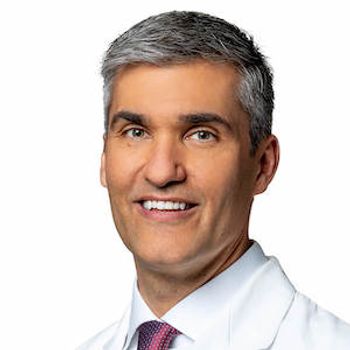
A single Ixo-vec injection showed up to a 95% reduction in annualized anti-VEGF injections, according to first-time 26-week results from the Phase 2 LUNA study.

Pegcetacoplan for 36 months led to fewer absolute scotomatous points on microperimetry than delayed treatment, suggesting its efficacy in preserving vision.

RGX-314 produced by the NAVXpress platform process showed a similar clinical profile to the adherent cell culture process in this Phase 2 pharmacodynamic study.

Phase 2 data from the ARCHER study shows a protective effect of ANX007 on visual acuity and anatomical measures in the central macula in patients with GA.

OTX-TKI remained generally well-tolerated in patients with moderately severe to severe NPDR across 48 weeks of the Phase 1 trial.

Katherine Talcott, MD describes a posthoc analysis of the GATHER trials showing how imaging biomarkers of photoreceptor structure predict GA growth.

Veeral Sheth, MD describes an assessment of the need for supplemental injection use after EYP-1901 for wet AMD.
The PRISM trial's 24-week data show 4D-150 reduced anti-VEGF injection rates by 89% in wet AMD, with 77% of patients injection-free at 24 weeks.

Phase 2a results demonstrated the efficacy and safety of orally administered CU06-1004 and may warrant further clinical studies in DME.

SGLT2 inhibitors may provide a favorable impact on the risk of sight-threatening diabetic retinal complications compared with other glucose-lowering therapies.

We break down 5 top trials to keep an eye on at ASRS 2024, taking place in Stockholm, Sweden from July 17 to 20, 2024.

Experts discuss strategies for making dry eye care an appealing practice option for optometry students and supporting their success in this specialized field.

A case series analysis indicated that switching from aflibercept to faricimab could be a safe and effective option for patients with treatment-resistant nAMD.

Prior authorizations for the anti-VEGF therapies aflibercept, ranibizumab, and bevacizumab were almost always approved but delayed care for most patients.

Marking the end of a voluntary recall, the FDA approved updates to Susvimo regarding the ocular implant and refill needle.

Announced by Genentech on July 04, 2024, the prefilled, 6.0 mg syringe is designed to improve ease of administration and offer ophthalmologists with a ready-to-use version of the bispecific antibody.
Our June 2024 month-in-review includes the latest pipeline news, the impact of vision issues on public health, and expert-led insight on the latest in ophthalmology.

In this episode, Veeral Sheth, MD speaks with Alkeus Pharmaceutical's CMO on the company's lead candidate for Stargardt disease and the TEASE clinical trial program.

Across the Phase 2 ReCLAIM-2 trial, elamipretide demonstrated photoreceptor protection and the potential for visual function improvement in eyes with dry AMD.
Experts discuss strategies for making dry eye care an appealing practice option for optometry students and supporting their success in this specialized field.

Aflibercept-mrbb showed comparable safety, efficacy, pharmacokinetics, and immunogenicity compared with the reference product.
Advertisement
Advertisement
Trending on HCPLive
1
AIRCULES: Lunsekimig Benefit Scales With Severity, With Njira Lugogo, MD
2
What Baseline Disease Severity Hides in PsA Trial Data, With David Oberlin, MD
3
KT-621 Achieves Deep STAT6 Degradation, Initial Respiratory, Skin Gains
4
ESC 2026 Recap: 5 Practice-Changing Trials to Know
5