

























































Results of a phase 3 study presented during the late-breaking sessions at ASH 2019 has found CC-486 provided patients with significant and meaningful improvements in overall survival (OS) and relapse-free survival.
Results of a phase 3 study presented during the late-breaking sessions at ASH 2019 has found CC-486 provided patients with significant and meaningful improvements in overall survival (OS) and relapse-free survival.

The investigative monoclonal antibody may become the first therapy indicated for the rare autoimmune disease.

Results of a phase 3 study presented at ASH 2019 are suggesting blinatumomab was more effective than chemotherapy as a post-reinduction therapy in high and intermediate risk first relapse of b-acute lymphoblastic leukemia.

During the annual ASH meeting, investigators present phase 1 data from a new dose-climbing trial.

More patients with multiple myeloma could benefit from autologous hematopoietic cell transplantation, investigators found.

Results of the phase 2 MANIFEST study presented at ASH 2019 suggest CPI-0610 could be an effective treatment for patients with refractory or intolerant advanced myelofibrosis.
An analysis of nearly 7000 health records led to insights into factors of fragmented care for patients with sickle cell disease.

Results of an interim analysis of a phase 2 trial are suggesting enasidenib plus azacitidine may be more effective than azacitidine monotherapy alone.
An updated meta-analysis from ASH 2019 is detailing the apparent risk of atrial fibrillation and major bleeding associated with ibrutinib use in patients with hematologic malignancies.

Investigators point out some of the reasons as to why there are less African Americans involved in AML clinical trials.

Timely identification of non-responders could reduce toxicities and costs, investigators wrote.

A recent study from Penn Medicine presented at ASH 2019 has found mosunetuzumab could be an effective treatment for B-cell non-Hodgkin lymphoma refractory to CAR T therapy.

How do primary care physicians interact with specialists, and what is the current state of care?
During the annual ASH meeting, investigators issue new clinical development guidelines for sickle cell disease therapies.
The deoxygenated sickle hemoglobin polymerization inhibitor was granted Accelerated Approval designation for the burdensome rare disease.
The therapy was shown in a 94-patient trial to reduce porphyria attacks by 70% versus placebo.
Crizanlizumab is the first ever drug approved to reduce vaso-occlusive crises in patients with the rare blood disease.
The IL-5 inhibitor has shown significant benefits for HES in a phase 3 pivotal trial, and is now being considered for regulatory submission.
The US FDA has approved lusaptercept-aamt (Reblozyl) for the treatment of anemia in adult patients with beta thalassemia who require regular blood red blood cell transfusions.

In a late breaking clinical trial at ACG 2019, investigators say AK002 shows promise in treating patients with EGID.
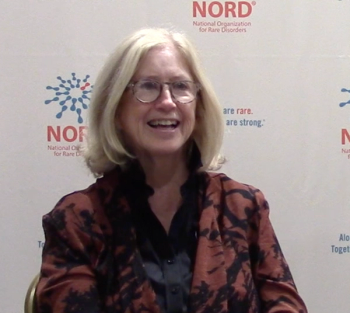
Moira Gunn, PhD, professor of bioentrepreneurship at the University of San Francisco, discusses the biggest hurdles those in healthcare face when looking to create new therapies for rare diseases.
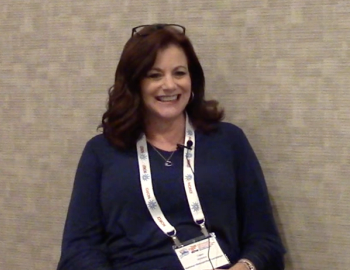
Dawn Rotellini, COO of the National Hemophilia Foundation, discusses how recent policy changes seeking to improve access to and create new therapies for patients with rare diseases.

A review of novel drug approvals in 2018 found more than half of all novel approvals were for rare diseases and that 2018 also saw more novel drug approvals for rare disease than any other year.
Dawn Rotellini, chief operating officer of the National Hemophilia Foundation, discusses the important of including patient advocacy groups in annual meetings such as the NORD Summit.

A new analysis of an open-label extension study of the phase 3 PREVENT study is providing further evidence of the safety and efficacy of the treatment of the neuromyelitis optica spectrum disorder.